Advertisement
Food & Drink 5m read
0

Who Actually Makes Your Favorite Kirkland Products?

Any Costco member knows just how wonderful the company’s Kirkland line of products can be. While some generic brands suffer from inferior quality, that’s not the case with Kirkland, which offers everything from plush, comfortable apparel to delicious alcoholic spirits. But while Costco manages and distributes the brand, the actual products are made by other companies. Some have been confirmed in interviews with Costco executives, while others are educated speculation. Here’s a look at the third-party brands responsible for making some of your favorite Kirkland products.

All featured products and deals are selected independently and objectively by the author. House Outlook may receive a share of sales via affiliate links in content.

Any Costco member knows just how wonderful the company’s Kirkland line of products can be. While some generic brands suffer from inferior quality, that’s not the case with Kirkland, which offers everything from plush, comfortable apparel to delicious alcoholic spirits. But while Costco manages and distributes the brand, the actual products are made by other…

Pet Food

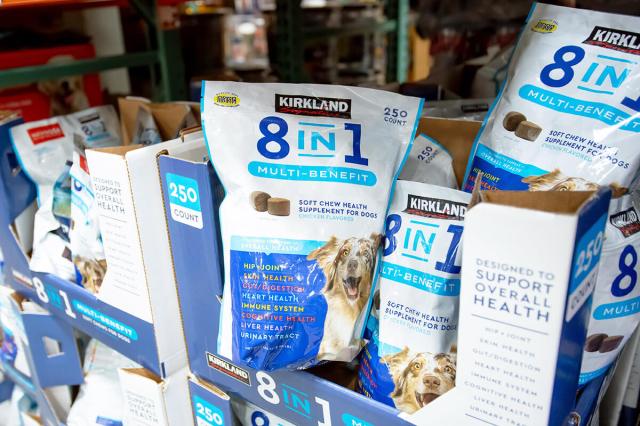
Kirkland Signature Pet Food is manufactured by Diamond Pet Foods, according to the Costco website. This family-owned business provides Costco with high-quality dry pet food complete with the essential nutrients your beloved fur baby needs. Buying Kirkland Signature pet food instead of the Diamond Naturals brand will also save you money, without sacrificing your pet’s well-being. For example, a 25-pound bag of the Kirkland Signature Chicken and Rice Cat Food costs $1.08 per pound, whereas the 20-pound name-brand option costs a comparatively substantial $1.30 per pound at Chewy.
Credit:  David Tonelson / Alamy Stock Photo

Liquor

According to Forbes, Costco sells billions of dollars in liquor each year. This should be no surprise, as their spirits are just as potent and flavorful as the top-shelf options found at most liquor stores. In that same article, Forbes notes that Kirkland’s tequila brand is manufactured at the Corporate Distillery Santa Lucia in Mexico, which uses 100% blue agave in its production process. But that’s not all — Thrillist notes that rumors have long persisted about Costco’s vodka being produced by Grey Goose, though this has not been verified. It’s also rumored that the Kirkland Signature Premium Small Batch Bourbon is made by the eminently popular George Dickel brand.

Credit: David Tonelson/ Alamy Stock Photo
Advertisement

Batteries

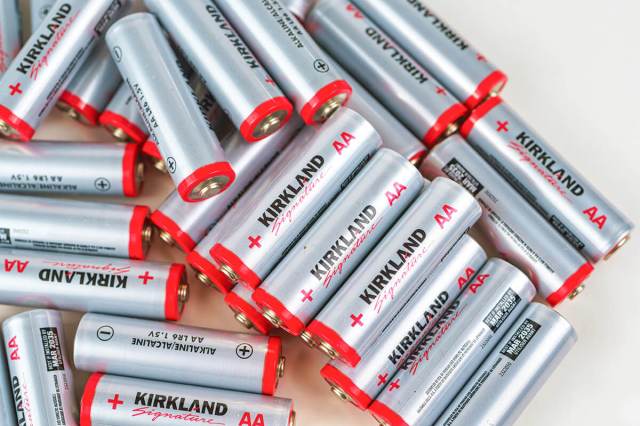
In a 2016 interview — as discussed in this article from The Motley Fool — Costco’s former president and CEO Craig Jelinek revealed that the Kirkland-brand batteries are produced by Duracell. If you look at Costco’s website today, you can buy a 40-pack of AA Duracell batteries for $18.99 (approximately $0.47 per battery). Compare that to the Kirkland Signature AA batteries, which cost $15.99 for a pack of 48 (approximately $0.33 per battery). In a recent test by YouTuber The Funny Carpenter, Kirkland AA batteries had a 17-minute longer use time compared with their Duracell equivalent, though both brands lasted over 16 hours.
Related: 19 Items Professional Chefs Never Refrigerate
Credit: Torontonian-New/ Alamy Stock Photo

Coffee

While Starbucks had been manufacturing Kirkland-brand coffee beans for years, there’s an ongoing discussion as to whether their contract lapsed. According to the CoffeeTalk blog, rumors are swirling that the working relationship between Costco and Starbucks may have come to an end, though nothing is for sure. What is for sure is that popular brands such as Green Mountain and Keurig continue to produce some Kirkland coffee at a far cheaper price than you’d find in your standard grocery store.
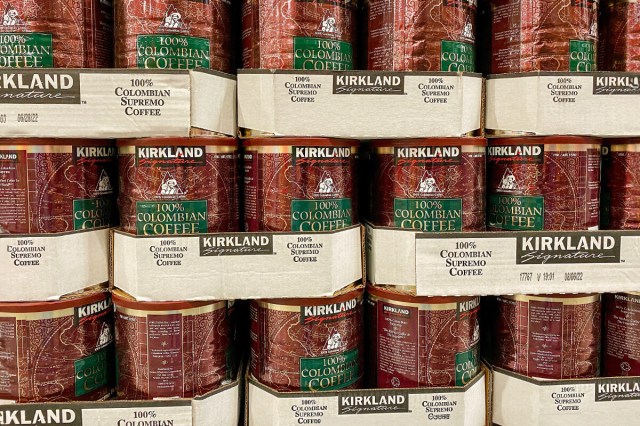

Credit: KKStock/ Alamy Stock Photo
Advertisement

Canned Tuna

During a 2003 interview with Money magazine, then-Costco executive Tim Rose lamented what he viewed as an overall decline in the quality of canned tuna fish. To remedy this issue, Costco signed a deal with the popular company Bumble Bee to produce cans of tuna that were meatier than their counterparts. In an unexpected twist, Kirkland-brand tuna cans actually cost more than Bumble Bee cans upon their debut, but currently, there’s not much of a price difference between the two. Of note, Costco and Bumble Bee recently came under fire for false claims regarding their dolphin-safe fishing practices, and a class-action lawsuit was filed against the warehouse club in early 2023.
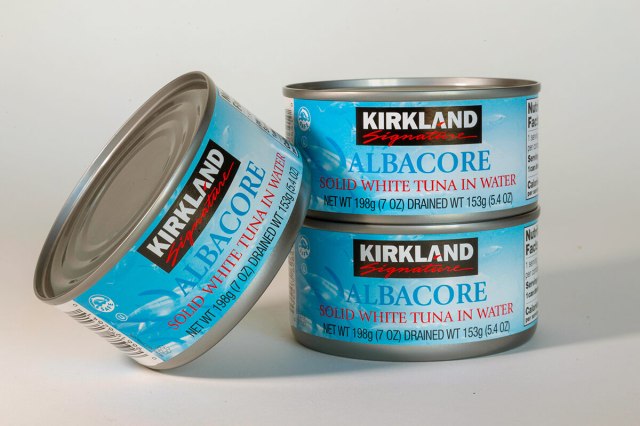
Credit: Patti McConville/ Alamy Stock Photo

Diapers

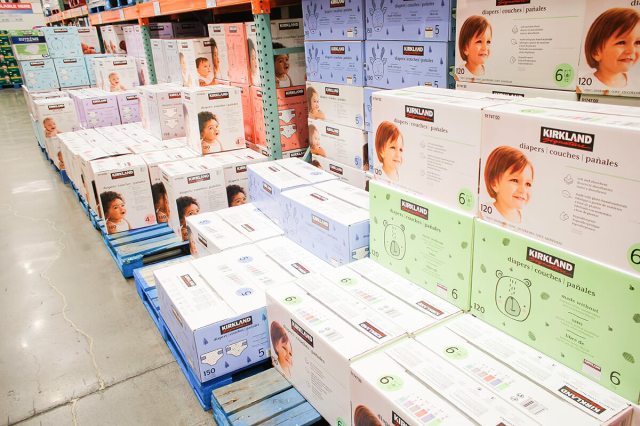
You may not know the name Kimberly-Clark, but it’s one of the most trusted names in diaper manufacturing, as the company produces both Huggies and Kirkland diapers. In a 2017 Wall Street Journal interview, former Costco CFO Richard Galanti talked about how the company originally tested diapers made by the companies behind Huggies and Pampers. In the end, they settled on the former, which continues to provide diapers under the Kirkland umbrella.
Related: 9 Nutritious Nonperishable Foods To Stock for Emergencies
Credit: David Tonelson/ Alamy Stock Photo
Advertisement

Aluminum Foil

It’s a bit of an open secret, but take one look at a box of Kirkland Signature aluminum foil and you’ll see the word “Reynolds” printed right on the packaging. That’s because each box is manufactured by Reynolds Brands, the maker of Reynolds Wrap, often considered one of the most durable types of aluminum foil on the market.
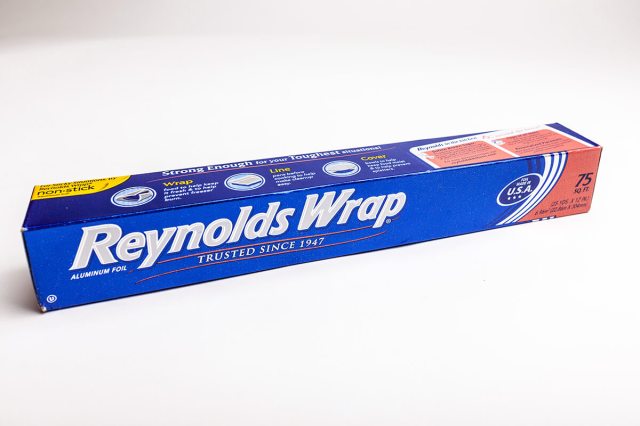
Credit: John Crowe/ Alamy Stock Photo

As the Costco Guys would say, these generic products backed by big-name brands definitely “bring the boom.” If you’re hoping to try some for yourself, you’ll need to sign up for a Costco membership, which grants you access to any of the 800-plus locations worldwide, in addition to online ordering.

Advertisement
Bennett Kleinman
Staff Writer
Bennett Kleinman is a New York City-based staff writer for Optimism Media, covering topics for several brands including House Outlook and Better Report. He previously contributed to television programs such as "Late Show With David Letterman" and "Impractical Jokers," and digital publications like The Onion. Bennett is also a devoted New York Yankees and New Jersey Devils fan, and thinks plain seltzer is the best drink ever invented.
This article is for general informational purposes only.
Affiliate Disclaimer 
|
Financial Disclaimer
Featured Image Credit:  Rick Lewis/ Alamy Stock Photo | Updated  Dec 12, 2024 |
Advertisement
Organizing 5m read
0

How To Find and Fix Hidden Clutter Hot Spots

Even a sleuth like Sherlock Holmes may overlook all of the hidden clutter hot spots that plague the average household. These messes tend to grow out of control right under your nose, and you might not even notice them.

All featured products and deals are selected independently and objectively by the author. House Outlook may receive a share of sales via affiliate links in content.

Even a sleuth like Sherlock Holmes may overlook all of the hidden clutter hot spots that plague the average household. These messes tend to grow out of control right under your nose, and you might not even notice them.

Ready to tackle those long-neglected cleaning projects but not sure where to start? We’re here to shed some light on potential disaster areas and how to manage them. Here are six hidden clutter hot spots to conquer for a tidier home.

Cords and Cables

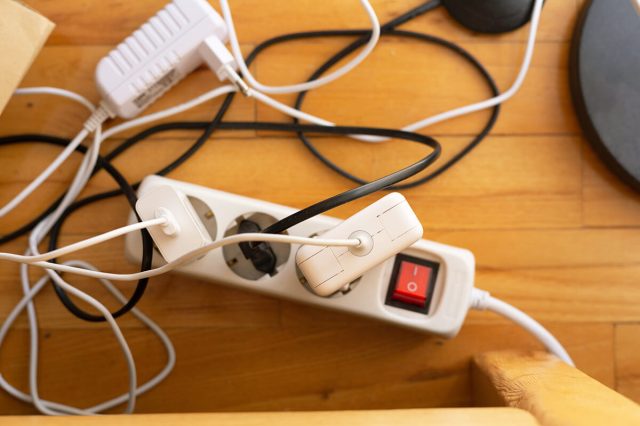
When they’re tucked behind the TV, it’s easy to overlook that rat’s nest of interweaving cords and cables. The same goes for your workspace, kitchen countertop, or any other area with multiple appliances plugged into the wall. Organizing your stash now will make it far easier to find a specific cable when you need to recharge your video doorbell or connect your computer to a monitor.

We recommend adjustable ties to keep lesser-used cords and cables neatly organized, or perhaps magnetic cable clips that adhere to the side of your desk and can separate your computer charger from the HDMI cable. Be sure to remove any cables that aren’t in use and either recycle them through an electronic waste program or store them in a handy case for future use.

Credit: Robert Petrovic/ Shutterstock

Board Games

Think of the memorable family game nights you’ve had over the years and how all of those loose Monopoly pieces probably ended up in a jumbled mess. You could sort the pieces whenever it’s time to play, but you might realize that something is missing at the last minute. (Plus, who wants to waste precious time with loved ones trying to reorder wayward cards or track down lost tokens?) Do your future self a solid and be proactive — organize those games right now.

Related: 6 Often-Overlooked Spaces in Your Home To Declutter Right Now

These plastic organizers let you ditch the cardboard boxes and keep your board games safe and secure. They’re made of clear plastic and feature a stackable design for easy storage. You can also double up and buy some of these small storage containers, which are perfect for game tokens, dice, and other pieces that may otherwise get lost.

Credit: janiecbros/ iStock
Advertisement

Subscriptions

It’s especially easy to overlook clutter that isn’t tangible. For instance, you may currently be subscribed to dozens of websites and streaming services you seldom use. Now is a great time to do an inventory of these services and your usage. If you realize that it’s been six months since you last watched something on Apple TV+, you can probably get rid of that subscription for now. Or maybe you signed up for The Wall Street Journal but barely read any of the articles; that should go, too. Remember, you can always resubscribe later if you change your mind.

Credit: Kampus Production/ Pexels

Bags and Pockets

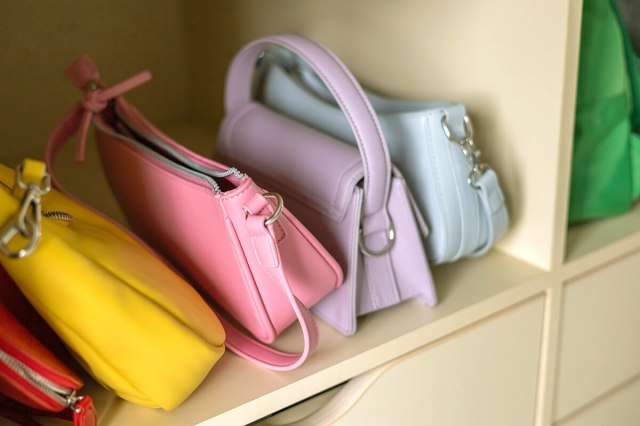
Reach into your purse or the pockets of your winter coat and you may be surprised at all of the loose change and gum wrappers that have been floating around in there since who knows when. Take bags, jackets, pants, and anything else with a concealed pouch, and empty them out so you can organize everything. Some items are worth keeping — like extra contact lenses, jewelry, or chapstick — but most of that junk can go straight in the trash, leaving your jackets and accessories much cleaner. Who knows — you may even find a crumpled up, long-forgotten $20 bill.
Credit: Kostikova/ iStock
Advertisement

Medicine Cabinets

Chances are, you no longer need that bottle of prescription medication from 2018, yet it’s still taking up valuable space in the medicine cabinet. I’m speaking from experience, as I recently reorganized my medicine cabinet and was shocked at the amount of useless or expired junk that was in there. Start by removing everything, and then slowly add back in the products you still use. Throw away expired makeup and safely dispose of expired or unused medications. Old products aren’t as effective anyway, so consider replacing them with fresh ones.

Related: 5 Helpful Hacks for Maximizing Fridge Space

Note: While most medications can be thrown away in the household trash, certain types of prescription and over-the-counter drugs should be flushed down the toilet or brought to a take-back location, according to the FDA.

Credit: SelectStock/ iStock

Your Car

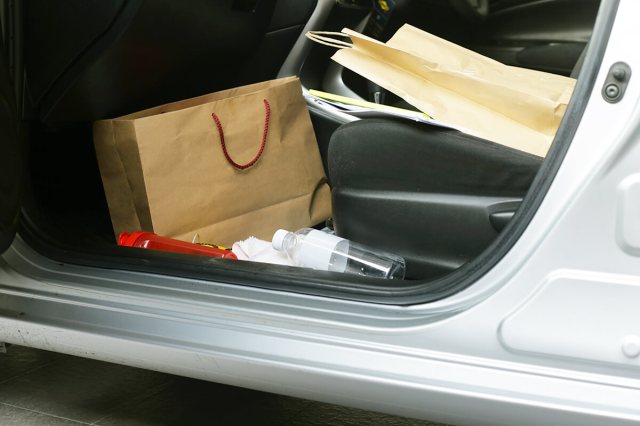
After a long day of commuting to and from work, nobody wants to spend more time in their car than necessary. But this often leaves our cars in states of neglect, and we’re not just talking about the old fast-food cartons piling up on the floor. Think of all the hidden clutter tucked out of sight in the center console, the glove compartment, under the seats, between the cushions … the list goes on and on. Set aside some time to clean every inch of your car. Although you might not see a dramatic difference, it should provide peace of mind knowing there are no more crumbs between the seats.

Credit: Bowonpat Sakaew/ Shutterstock

Just remember: Cleaning takes time, and you won’t be able to get to everything in one day. But if you make decluttering a regular part of your routine, you should see some positive changes in no time at all.

Advertisement
Bennett Kleinman
Staff Writer
Bennett Kleinman is a New York City-based staff writer for Optimism Media, covering topics for several brands including House Outlook and Better Report. He previously contributed to television programs such as "Late Show With David Letterman" and "Impractical Jokers," and digital publications like The Onion. Bennett is also a devoted New York Yankees and New Jersey Devils fan, and thinks plain seltzer is the best drink ever invented.
This article is for general informational purposes only.
Affiliate Disclaimer 
|
Financial Disclaimer
Featured Image Credit:  victorass88/ iStock | Updated  Mar 17, 2025 |
Advertisement
Cleaning 3m read
0

This Pantry Staple Helps Keep Stainless Steel Smudge-Free

There’s something incredibly sleek about stainless steel appliances. Not only do they elevate the look of a kitchen, but they also have plenty of other benefits. Stainless steel is durable and nonporous, making it easy to clean. But in high-traffic areas like kitchens, they have a notable downside: The smooth and shiny surfaces we know and love tend to show fingerprints, smudges, and streaks more than others. But don’t let that turn you off stainless steel appliances just yet. There’s a quick and easy solution to keep smudges at bay, and you probably already have it in your pantry. The secret ingredient? Olive oil.

All featured products and deals are selected independently and objectively by the author. House Outlook may receive a share of sales via affiliate links in content.

There’s something incredibly sleek about stainless steel appliances. Not only do they elevate the look of a kitchen, but they also have plenty of other benefits. Stainless steel is durable and nonporous, making it easy to clean. But in high-traffic areas like kitchens, they have a notable downside: The smooth and shiny surfaces we know…

What You’ll Need

Cleaner or water and dish soap

Olive oil

Microfiber cloths

Say Goodbye to Smudges

We’re sure you’re wondering how olive oil can possibly remove fingerprints and smudges from stainless steel. You might think its thick consistency would worsen smudging, but it turns out, olive oil acts as a protective layer that keeps moisture away. Not to mention, it leaves stainless steel looking spotless and shiny. 

Related: Why You Should Put a Ball of Aluminum Foil in the Dishwasher

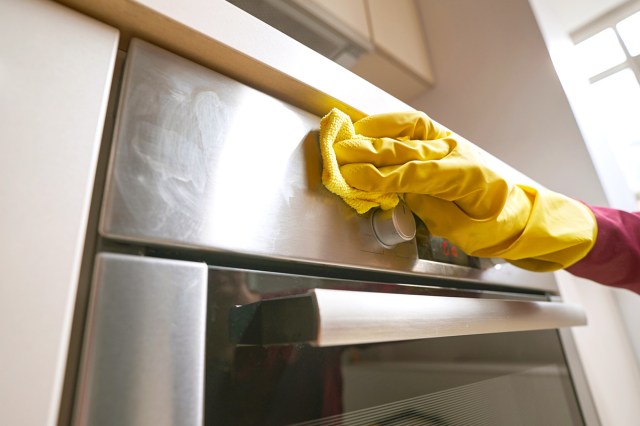
To remove streaks on stainless steel with olive oil, you first need to wipe down the surface with a cleaner. You can use a mixture of water and dish soap, a kitchen cleaner, an all-purpose cleaner, or something specifically made for stainless steel. After the surface is clean, apply a few drops of olive oil to a microfiber cloth. Spread a thin, even layer of oil on the appliance, buffing it out until fingerprints, smudges, and streaks are nowhere to be seen. 

Advertisement

Laundry Tip: Wash microfiber cloths separately from other items, as they are lint magnets. Use a mild, fragrance-free detergent, avoiding fabric softener, which can damage the fibers. Wash in cool or warm water on a gentle cycle. While air-drying is recommended to preserve the cloths’ absorbency, you can dry them on a low-heat or no-heat setting. Olive oil-soiled microfiber cloths should be air-dried or tumble-dried with no heat to prevent potential fires.

What Not To Do

Good news for your bank account: Using a large amount of olive oil won’t improve the results. The key to this hack is applying only a light coat to the stainless steel.

You can use this hack on major stainless steel appliances, such as refrigerators, ovens, and dishwashers, but don’t forget the little things. You can also use olive oil to remove smudges on small kitchen appliances and other stainless steel surfaces, including hardware, faucets, cookware, and more.

Advertisement
Pauline Lacsamana
Writer
Pauline Lacsamana is a freelance writer and editor who specializes in commerce, home, design, and lifestyle. She has bylines in The Spruce, Business Insider, U.S. News & World Report, Hunker, MyDomaine, Parade, and more.
This article is for general informational purposes only.
Affiliate Disclaimer 
|
Financial Disclaimer
Featured Image Credit:  yacobchuk/ iStock | Updated  Feb 19, 2025 |
Advertisement
Cleaning 3m read
0

Surprising Cleaning Hacks That Start With a Box of Dryer Sheets

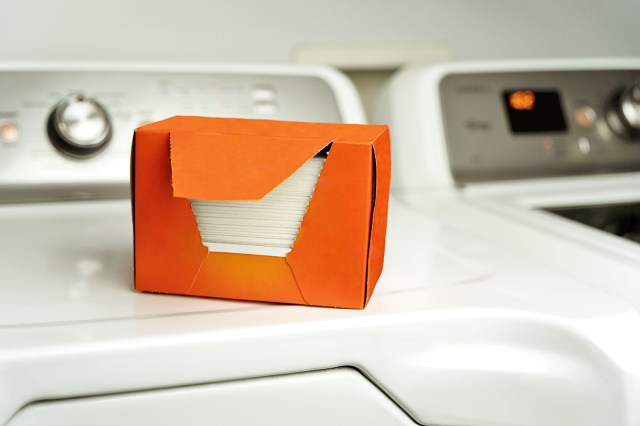
The drawbacks of dryer sheets have been well documented in recent years. Their waxy coating can accumulate on clothing and inside the dryer, shortening the lifespan of both. If you recently made the switch to wool dryer balls, you might have a box of unused dryer sheets collecting dust somewhere. Before you chuck them in the trash, consider these alternative uses for dryer sheets that go beyond the laundry room.

All featured products and deals are selected independently and objectively by the author. House Outlook may receive a share of sales via affiliate links in content.

The drawbacks of dryer sheets have been well documented in recent years. Their waxy coating can accumulate on clothing and inside the dryer, shortening the lifespan of both. If you recently made the switch to wool dryer balls, you might have a box of unused dryer sheets collecting dust somewhere. Before you chuck them in…

Freshen Up Your Spaces

Dryer sheets come in all kinds of refreshing scents that make your clothes smell amazing. Luckily, you can harness those same scents to freshen up other areas of your home, from shoes in your entryway to trash cans in your kitchen, according to TikTok creator @genuinecleaning.

Related: 5 Unexpected Ways To Clean With Denture Tablets

Have a stinky pair of ballet flats or work boots? Stuff a few dryer sheets in your shoes and let them sit overnight to get rid of unpleasant odors. For a whiff of fragrance — not rotting food — stash some dryer sheets at the bottom of your kitchen trash can, underneath the trash bag. You can also toss a dryer sheet or two under couch cushions for a subtle boost of freshness. Lastly, you can put dryer sheets in your dresser to keep your drawers and clothes smelling fragrant.

Advertisement

Remove Deodorant Stains

We’ve all dealt with those dreaded deodorant stains when putting on clothes. The white marks are especially irritating when you’re on your way out and don’t have time to change. While you could whip up a DIY cleaning solution using hydrogen peroxide, vinegar, or baking soda, you can also turn to a dryer sheet in a pinch. Simply rub the dryer sheet over the stain, and the mildly abrasive texture will lift it away.

Clean Burnt Pans

Last, but not least, you can use dryer sheets to easily clean cookware with baked-on food. Cover the stain with dryer sheets, leaving them folded up for maximum effect, and squirt some dish soap on them. Boil water in a kettle or on the stovetop and pour it over the dryer sheets to saturate them completely. Let the dish soak this way for about an hour. When the timer goes off, give the pan a good rinse, using a scrub brush to remove any stubborn residue. The baked-on food should melt away effortlessly, leaving your pan as good as new.

Advertisement
Pauline Lacsamana
Writer
Pauline Lacsamana is a freelance writer and editor who specializes in commerce, home, design, and lifestyle. She has bylines in The Spruce, Business Insider, U.S. News & World Report, Hunker, MyDomaine, Parade, and more.
This article is for general informational purposes only.
Affiliate Disclaimer 
|
Financial Disclaimer
Featured Image Credit:  Nathan Antonino/ Shutterstock | Updated  Dec 10, 2024 |
Advertisement
Organizing 3m read
0

An Inexpensive Storage Hack for Christmas Ornaments

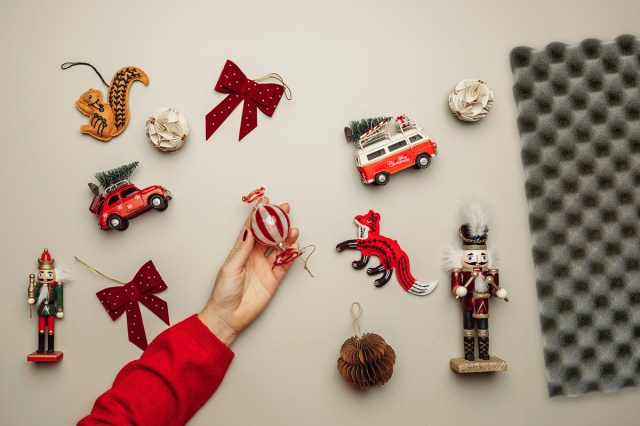
Putting up Christmas decorations is always more enjoyable than taking them all down and trying to fit them back in their designated boxes. This year, when it’s time to retrieve your holiday decorations from storage, take a few minutes to assess the packing situation. (Somehow this feels like less of a chore if you’re in a festive mood.)

All featured products and deals are selected independently and objectively by the author. House Outlook may receive a share of sales via affiliate links in content.

Putting up Christmas decorations is always more enjoyable than taking them all down and trying to fit them back in their designated boxes. This year, when it’s time to retrieve your holiday decorations from storage, take a few minutes to assess the packing situation. (Somehow this feels like less of a chore if you’re in…

After the New Year’s confetti has settled, will your precious ornaments be safe and sound in shatterproof packaging? If the answer is no, it may be time to upgrade your storage solutions. This is especially important if you have sentimental ornaments you can’t risk getting damaged in the off-season.

Related: Gift Wrap Storage Hacks You’ll Wish You Knew About Sooner

While scrolling through social media, we came across a genius idea from Jessica Buwick (aka @lolamarie7) for storing and organizing ornaments. The best part is the packing supplies are fairly inexpensive, which is a relief after all that holiday spending.

Advertisement

How To Safely Store Christmas Ornaments

This year, forget leftover tissue paper, paper towels, and bubble wrap, and go with something a little more heavy-duty when repacking your holiday decorations. According to Buwick, the best way to prevent ornaments from getting damaged is to store them in cheap egg crate foam. You can buy this material on Amazon, typically in the form of a mattress topper or soundproofing panels, and cut it to fit your storage containers. Add one piece of foam on the bottom of your container with the smooth side facing down, then place your ornaments on top of the egg crate texture. The closer you place ornaments together, the better, as this will ensure they don’t budge in transit. Once the first layer is filled with ornaments, add another layer of foam and repeat the stacking process. 

Since this type of foam has so many pockets, it keeps everything securely in place — just like eggs nestled in their cartons — and the foam is soft yet dense enough to add more protection than your typical packaging materials.

Advertisement
Jessie Quinn
Writer
Jessie Quinn is a Los Angeles-based lifestyle journalist with words published in PEOPLE, StyleCaster, Apartment Therapy, The Spruce, Byrdie, and more. She has a Bachelor's Degree in fashion journalism from Academy of Art University and her work spans across many categories, including style, beauty, home, health, crafts, and more.
This article is for general informational purposes only.
Affiliate Disclaimer 
|
Financial Disclaimer
Featured Image Credit:  knape/ iStock | Updated  Dec 10, 2024 |
Advertisement
Food & Drink 8m read
0

19 Items Professional Chefs Never Refrigerate

I can’t think of an invention that’s done more to change the way we cook and eat than refrigeration. Instead of buying fresh ingredients daily, we can just hit the supermarket every week or two and load our fridges with everything we’ll need. Of course, some foods should never be refrigerated, and there are many items home cooks refrigerate that chefs don’t. As a trained chef and former food safety trainer myself, I almost never refrigerate these 19 common foods.

All featured products and deals are selected independently and objectively by the author. House Outlook may receive a share of sales via affiliate links in content.

I can’t think of an invention that’s done more to change the way we cook and eat than refrigeration. Instead of buying fresh ingredients daily, we can just hit the supermarket every week or two and load our fridges with everything we’ll need. Of course, some foods should never be refrigerated, and there are many…

1. Ketchup

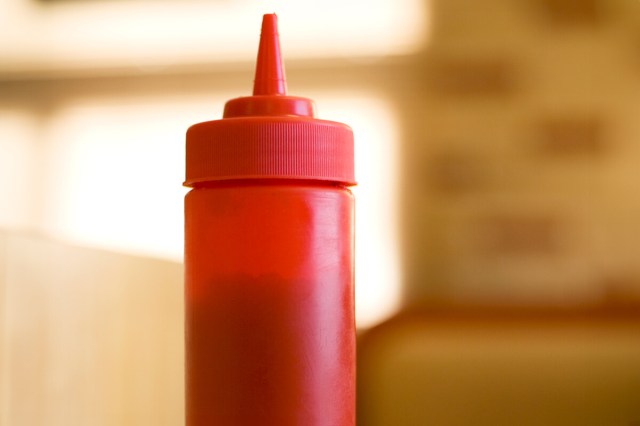
Ketchup is something I’m always surprised to see in the fridge. Who wants cold ketchup on their hot fries or burger? Its acidity level is high enough to prevent microbial growth, and its sugar content is also a preservative. Just keep it out of direct sunlight, and it should be fine.

Credit: ianmcdonnell/ iStock

2. Potatoes

Many fruits and vegetables benefit from being stored in the fridge, but spuds are an exception. In refrigeration, they convert some of their starches to sugars (a natural antifreeze), which messes with their flavor and texture. They need a couple of weeks after coming out of refrigeration before the sugars revert to starches, which drove me crazy when I was preparing hand-cut fries at my restaurants. Chilled potatoes brown too quickly, making the fries darker than desired.

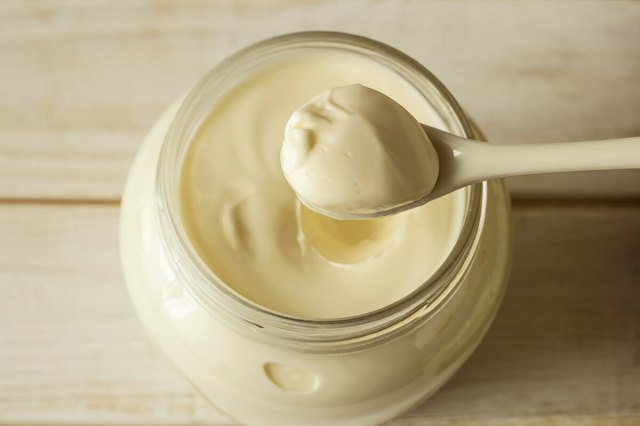
3. Mayonnaise

This one may surprise you if you grew up on stories of people getting sick at picnics from foods containing mayonnaise, but it’s true. Store-bought mayonnaise is acidic enough to keep safely at room temperature. Don’t believe me? According to Hellmann’s (aka Best Foods), the top-selling mayonnaise company in the U.S., its product can be stored at room temperature for up to a month after opening, or two months in the refrigerator.

The problem is actually the foods you mix with the mayo. I buy mine in the big jar and use it to refill a squeeze bottle. I only ever reach into the jar with scrupulously clean utensils, so food never comes in contact with it. 

Related: 10 Foods You Don’t Need To Wash Before Cooking

Important note: This only applies to commercial mayonnaise. Your homemade mayonnaise is extremely perishable and requires proper refrigeration.

Credit: Oleksandr Todorov/ iStock
Advertisement

4. Mustard

Mustard, like ketchup, is a condiment with more than enough acidity to keep it food safe. This applies to plain old yellow “ballpark” mustard, the hot English style, Dijon mustard, or grainy deli-style mustard … whatever you’ve got, in other words.

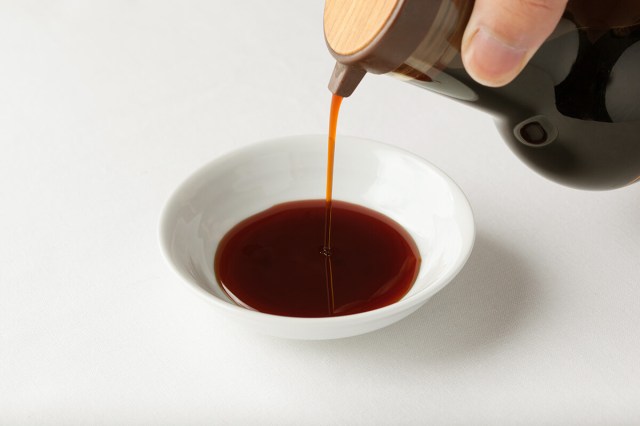
5. Soy Sauce

I always have a bottle of soy sauce sitting on a shelf near my kitchen work area, and it never goes into the fridge. Its high salt content keeps it food safe, and I use it frequently enough that it never goes bad. (Soy sauce adds a great umami kick to anything you cook.) The same goes for my bottle of Worcestershire sauce that sits beside it.

Credit: aijiro/ Shutterstock

6. Tomatoes

There are a lot of fruits that only ripen properly at room temperature, and tomatoes are one of them. (We eat them as a vegetable, but they’re technically fruit.) If you refrigerate tomatoes before they’re adequately ripened, their flavor is stunted and their texture suffers. You can refrigerate them once they’re fully ripe to prolong their freshness, but they’ll taste better if you let them come to room temperature before you eat them.

Advertisement

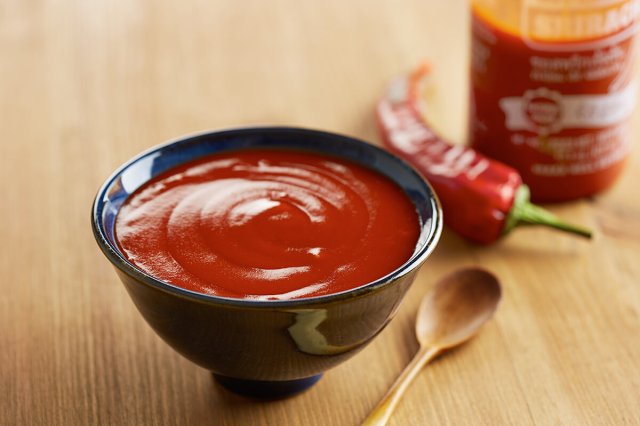
7. Hot Sauce

Hot sauce is another food that’s acidic enough to store sans refrigeration. It’ll last for months at room temperature, and its flavors will remain full and bold. After about six months, though, the hot sauce will finally begin to lose its potency. If you only bring out that bottle of Tabasco a couple of times a year for bloody marys, it’s probably best to refrigerate it.

Credit: Raimunda-losantos/ Shutterstock

8. Avocados

Scroll up a few lines to the section about tomatoes — that applies to avocados as well. They simply won’t ripen in the refrigerator, full stop. So leave them on the counter until they’re ripe, and then use them quickly. If you have more than you’ll use in a day or so, at that point, it’s OK to refrigerate the rest to keep them from progressing to the “eww, ick” stage.

Related: 9 Nutritious Nonperishable Foods To Stock for Emergencies

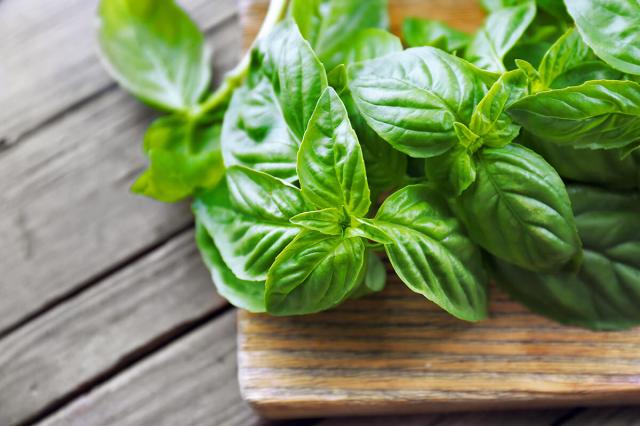
9. Fresh Basil

Most fresh herbs will keep for a long time when stored in the fridge, but basil is an exception. Simply put it in a glass of water and place it on the countertop. (Trust me on this — I grow basil in my garden every year.) That’s why good supermarkets leave the herb out, often near the tomatoes, rather than put it in a refrigerated case.

Credit: Africa Studio/ Shutterstock
Advertisement

10. Stone Fruit

Stone fruits, such as peaches, plums, and nectarines, fall into the same camp as avocados and tomatoes because they’ll never fully ripen if you pop them in the fridge. Instead, they’ll develop a mealy texture, which is not what you want at all. As with tomatoes and avocados, though, if you’ve cut into one and won’t finish it, it’s OK to refrigerate the remainder to prevent it from spoiling.

11. Nuts

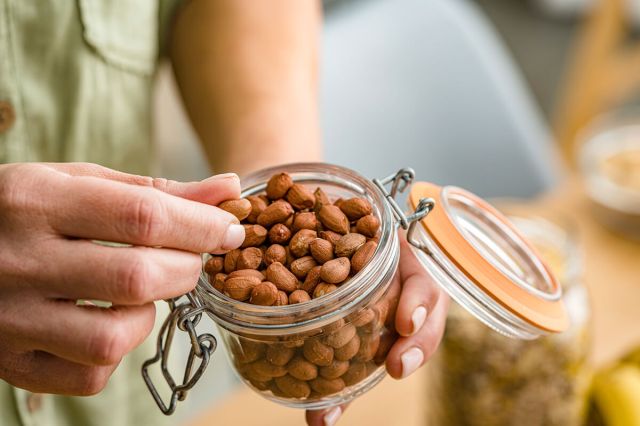
I’ve personally gone both ways on this, because keeping nuts refrigerated does stop their natural oils from going rancid. Cooler temperatures mess with their flavor and texture, though, so I’ve gone back to buying only what I’ll use in a reasonable time frame and storing them in my pantry. An exception is the pine nuts I use to make pesto, which I buy in bulk and keep vacuum-sealed in my freezer between summers.

Credit: fcafotodigital/ iStock

12. Chocolate

If you spring for some really good chocolate for baking or an occasional treat, you may be tempted to keep it in the fridge. Don’t do that. The cocoa butter in chocolate misbehaves at cold temperatures, giving it a disappointingly crumbly texture and powdery surface over time. The latter issue is known as “bloom,” and it’s just the cocoa butter coming to the surface, so don’t throw away your chocolate if you see it. It’s perfectly fine to eat and will melt away if you bake with it.

Advertisement

13. Coffee

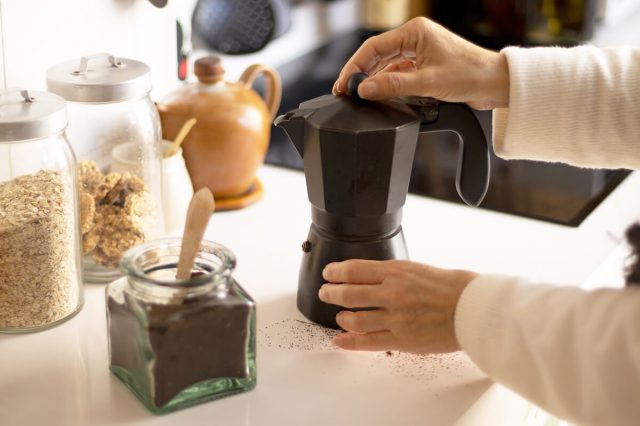
Like chocolate, its frequent partner, coffee tastes best when not frozen or refrigerated. The chill dampens the volatile oils that give coffee its robust flavor, and going in and out of the fridge can cause condensation on the beans or ground coffee (especially in humid climates like mine). Condensation can lead to spoilage, which is pretty ironic in this context.

Credit: Pedro Merino Higueras/ iStock

14. Apples

I live in apple-growing country, and my grandkids and I eat a lot of apples. OK, they eat the first few bites of a lot of apples, but the point remains the same. Apples are a naturally long-keeping fruit, and refrigeration can mute their flavors. Don’t do it unless the apples are cut up or getting past their prime.

Related: How To Vacuum Seal Food Without a Machine

15. Nutella and Peanut Butter

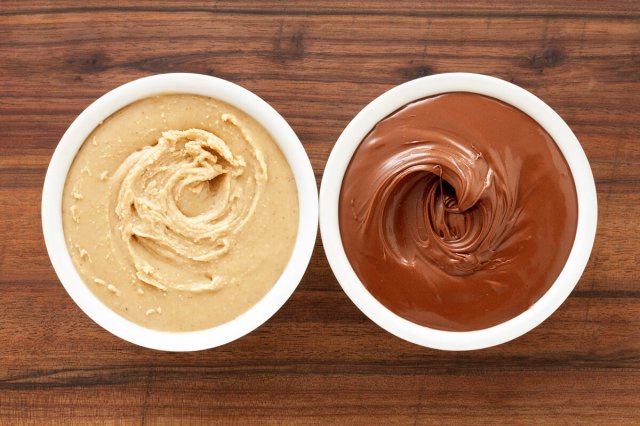
These spreads are also beloved by my grandkids, and both are perfectly fine (better, even) when they aren’t refrigerated. Mainstream peanut butter brands are packed with preservatives and will last months without issue. Natural peanut butter only needs refrigeration if you don’t eat it often. Chocolate and hazelnut Nutella, and its competitors, develop a weird texture if they’re refrigerated.

Credit: FotografiaBasica/ iStock
Advertisement

16. Honey

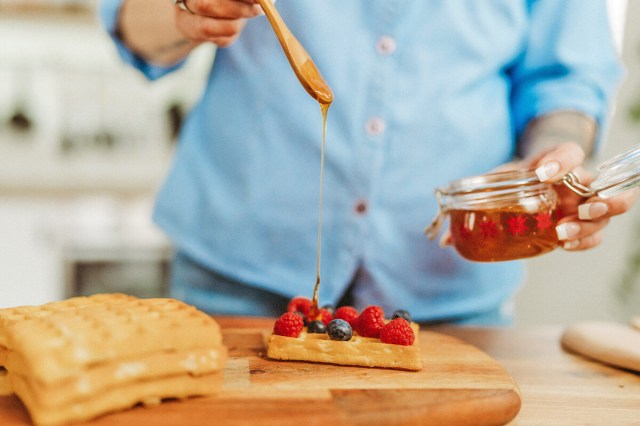
It would never occur to me to refrigerate honey, so I was quite surprised to learn that some people do. Sugar is a preservative, and honey is mostly sugar. It will last for centuries when sealed to keep out moisture, so relax and leave it in the pantry. Refrigeration also makes honey crystallize faster, making it a pain to get out of the bottle.

17. Cucumbers

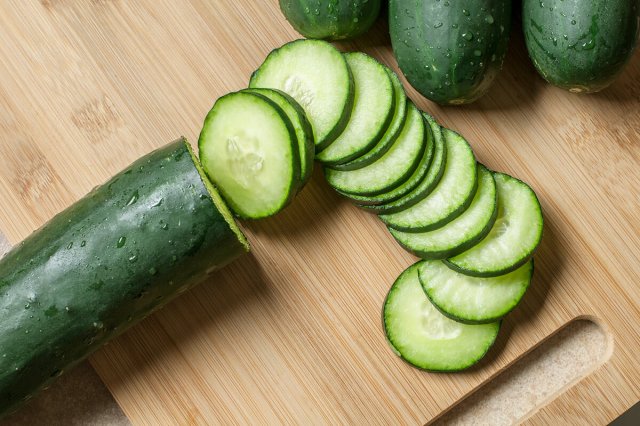
For a lot of people I know, cukes go right from the shopping bag to the crisper drawer. That’s a bad idea because the cold, dry air of the refrigerator will make the cucumbers deteriorate pretty quickly. I’ve regularly kept my homegrown cukes on the counter for a couple of weeks without problems (sometimes longer), and I only refrigerate them once I cut into them.

Credit: Victor Yee/ iStock

18. Citrus Fruits

Citrus fruits are exceptionally versatile, making them a staple in many kitchens. Oranges, lemons, limes, and grapefruit all keep really well at room temperature, and refrigeration tends to suck the moisture out of them pretty quickly. Leave the fruits out, perhaps in a hanging basket or concrete bowl, and only refrigerate them after they’re cut.

19. Fresh Peppers

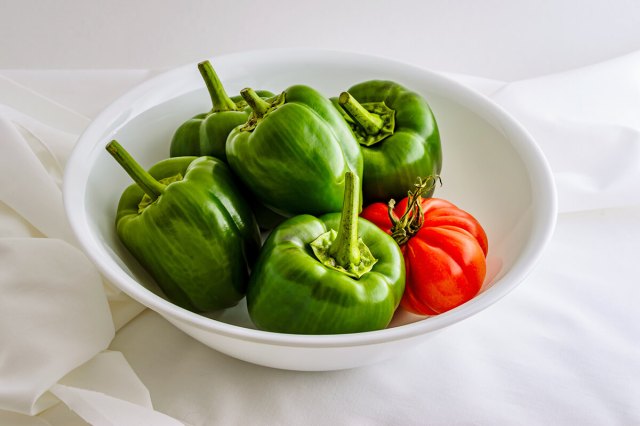
We’ll finish with fresh peppers, another fruit masquerading as a vegetable. Like many others on this list, they will continue to ripen if you leave them on the counter, and that’s when their flavor and texture are best. This is true for both sweet and hot peppers. I refrigerate mine after I cut into them, or if I’m looking to preserve hot peppers’ “green” flavor and don’t want them to ripen and sweeten.

Credit: Grb/ iStock
Advertisement
Fred Decker
Writer
Fred Decker is a trained chef and former restaurateur. Since closing his restaurants over a decade ago he has been a prolific freelance writer, publishing several thousand articles on dozens of high-volume websites including Taste Of Home, Hunker, Tasting Table, Week&, eHow, and GOBankingRates. He lives on a rural acreage shared with a big garden, chickens, rabbits, and grandkids.
This article is for general informational purposes only.
Affiliate Disclaimer 
|
Financial Disclaimer
Featured Image Credit:  milan2099/ iStock | Updated  Dec 10, 2024 |
Advertisement
Food & Drink 3m read
0

How To Vacuum Seal Food Without a Machine

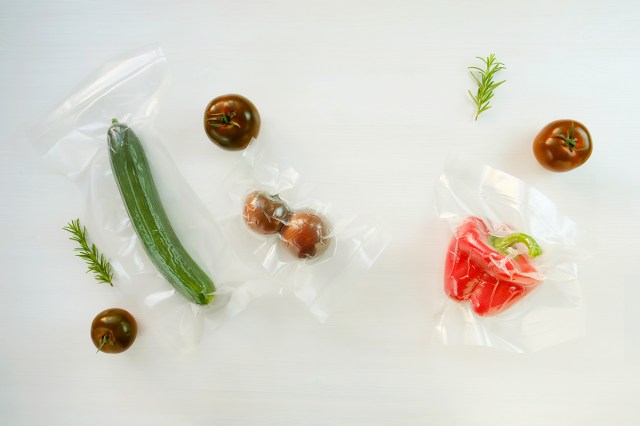
There are numerous benefits to vacuum sealing your food, from saving shelf space to preventing bacteria growth and warding off freezer burn. Whether it’s meat, seafood, produce, or dry goods, vacuum sealing helps reduce waste by keeping food fresh longer or preserving it for future use.

All featured products and deals are selected independently and objectively by the author. House Outlook may receive a share of sales via affiliate links in content.

There are numerous benefits to vacuum sealing your food, from saving shelf space to preventing bacteria growth and warding off freezer burn. Whether it’s meat, seafood, produce, or dry goods, vacuum sealing helps reduce waste by keeping food fresh longer or preserving it for future use.

Although there are automatic vacuum sealers that are up for the task, they often cost $100 or more and take up valuable counter or cabinet space in the kitchen. Thankfully, there’s a much cheaper way to maintain freshness without a machine. After seeing a TikTok by creator @sidneyraz, we were shocked at how easy it can be to extend the shelf life of your favorite foods.

How To Preserve Food Without a Vacuum Sealer

To vacuum seal without a machine, you’re going to need the food you want to store, a freezer-safe, plastic zip-top bag like a trusty Ziploc, and a bowl of cold water that’s big enough to fit the bag with your food of choice in it.

Advertisement

Once you’ve gathered all the necessities, place the food inside the bag and squeeze out the excess air. Seal the bag almost all the way, leaving a small opening in one corner. Then, dip the bag into the bowl of cold water. You want to keep the open part of the seal above water, while ensuring the bag’s contents are fully submerged. At this point, the pressure of the water will push out the air and you should see the plastic bag mold to the food, creating a seal-like effect. If it’s not sufficiently airtight, gently massage the bag to remove any air pockets.

Related: This Chef-Approved Trick Keeps Herbs Fresher for Longer

With the contents of the bag still underwater, seal the open end. Take the entire thing out of the water bowl and dry it off before placing it in the freezer or refrigerator for later use.

Bonus Hack

If you don’t want to risk spilling water all over your countertop, you can insert a drinking straw into the small opening and suck out the air before sealing the bag. While this method might not be the most sanitary, it’s an effective way to vacuum seal your food without much effort (well, aside from the exertion of your lungs).

Advertisement
Pauline Lacsamana
Writer
Pauline Lacsamana is a freelance writer and editor who specializes in commerce, home, design, and lifestyle. She has bylines in The Spruce, Business Insider, U.S. News & World Report, Hunker, MyDomaine, Parade, and more.
This article is for general informational purposes only.
Affiliate Disclaimer 
|
Financial Disclaimer
Featured Image Credit:  Elena Grishina/ iStock | Updated  Dec 9, 2024 |
Advertisement
Decorating 4m read
0

How To Make Gift Boxes Smaller for a Perfect Fit

While giving gifts is an undeniably positive experience, bulky, cumbersome boxes can eat up valuable space and cause a massive headache. Imagine you’re going to visit your family for the holidays and you end up spending the whole morning trying to cram every present into the trunk of your car like a game of Tetris — it’s neither fun nor easy.

All featured products and deals are selected independently and objectively by the author. House Outlook may receive a share of sales via affiliate links in content.

While giving gifts is an undeniably positive experience, bulky, cumbersome boxes can eat up valuable space and cause a massive headache. Imagine you’re going to visit your family for the holidays and you end up spending the whole morning trying to cram every present into the trunk of your car like a game of Tetris…

Sure, the obvious solution may be to use smaller boxes. But not everyone has that option readily available, and we often have to make do with whatever boxes we have on hand. But there is some good news — you may have materials lying around that you can repurpose into smaller boxes that are perfect for those tinier gifts.

How To Repurpose Shirt Boxes

Many people stock up on shirt boxes with lids around the holidays because they’re useful for wrapping clothing items, accessories, small electronics, gift sets, and more. But unless you spring for an assorted pack, you may end up with shirt boxes that are simply too big for smaller gifts. Fortunately, there’s a clever trick that allows you to create a smaller box from a single panel — meaning you can keep the lid for future gifts.

TikTok creator @dallinxbella introduced us to this hack, and it’s saved us countless trips to the store for more wrapping supplies. All you need is a pair of scissors and some basic folding skills, and you’ll end up with smaller gift boxes galore. Here’s how it works:

Advertisement

Step 1: Lay the gift box on a flat surface, positioning it horizontally and putting aside the lid. Grab the left side and fold it over so it lines up with the border of the right side. Unfold the box to reveal a crease.

Photo Credit: Kelsey Morrison/ House Outlook Editor

Step 2: Repeat step one with the other side of the box.

Photo Credit: Kelsey Morrison/ House Outlook Editor
Related: Cut Your Wrapping Paper Too Short? Try This Clever Hack

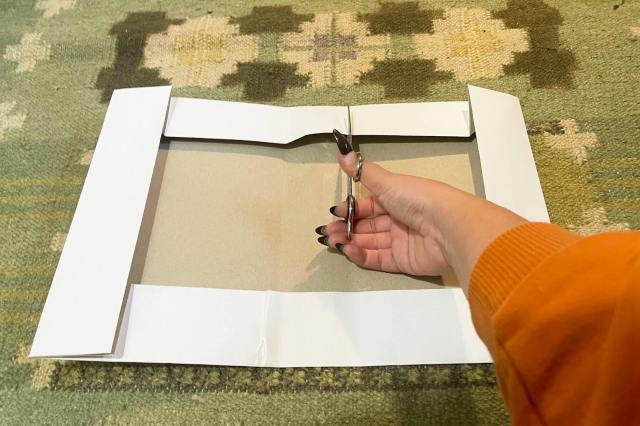
Step 3: By now you’ll have created two vertical creases and the shape of your gift box will resemble a bound book. Take a pair of scissors and carefully cut along all four of those creases on only the top layer (aka the border), leaving a small amount of space between your cut and the edge. It’s important to cut away from the center of the box and to leave the bottom layer of the box intact.

Photo Credit: Kelsey Morrison/ House Outlook Editor
Advertisement

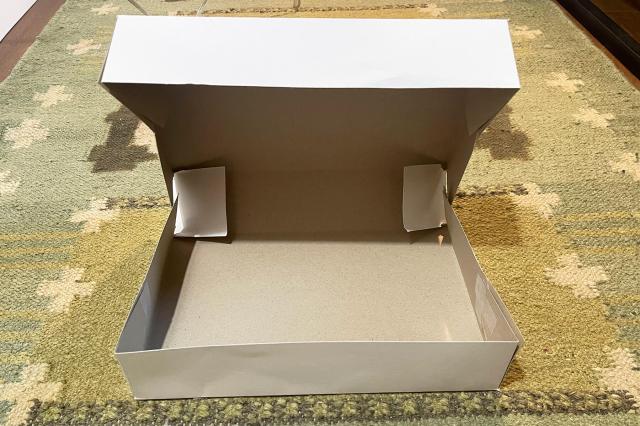
Step 4: Fold the left side of the box over the right side, ensuring the cut flaps are tucked inside. Just like that, you have a homemade gift box that’s half its original size.

Photo Credit: Kelsey Morrison/ House Outlook Editor

If you don’t have any shirt boxes lying around, you can purchase them here or hold onto the box the next time you receive a dress shirt as a gift. These boxes fold up flat, so you can easily store them in a drawer or the back of a closet to prepare for any future gifting occasions.

Related: 5 Ways To Cut Down on Waste When Wrapping Holiday Presents

Try Custom Wrapping Paper

Looking to make your gift stand out under the tree? Purchase some custom wrapping paper to set your present apart from the rest. Custom wrapping paper allows you to upload a unique design that you won’t find in stores, whether it’s a special message or a funny image of someone’s face. It’ll make your gift all the more special!

Advertisement
Bennett Kleinman
Staff Writer
Bennett Kleinman is a New York City-based staff writer for Optimism Media, covering topics for several brands including House Outlook and Better Report. He previously contributed to television programs such as "Late Show With David Letterman" and "Impractical Jokers," and digital publications like The Onion. Bennett is also a devoted New York Yankees and New Jersey Devils fan, and thinks plain seltzer is the best drink ever invented.
This article is for general informational purposes only.
Affiliate Disclaimer 
|
Financial Disclaimer
Featured Image Credit:  Kelsey Morrison/ House Outlook Editor | Updated  Dec 5, 2024 |
Advertisement
Decorating 4m read
0

Cut Your Wrapping Paper Too Short? Try This Clever Hack

I am by no means an expert gift-wrapper. I’ve been known to complete all of my wrapping at 11 p.m. on Christmas Eve, which often results in rushed, messy parcels. (It’s the thought that counts, not the presentation … right?) I am also guilty of eyeballing measurements when wrapping gifts, which either yields too much wrapping paper, leaving me with oversized, triangular folds, or not enough to cover the entire gift. If you’ve ever resorted to cutting a narrow strip of paper to cover the exposed part of a gift box, you know the struggle.

All featured products and deals are selected independently and objectively by the author. House Outlook may receive a share of sales via affiliate links in content.

I am by no means an expert gift-wrapper. I’ve been known to complete all of my wrapping at 11 p.m. on Christmas Eve, which often results in rushed, messy parcels. (It’s the thought that counts, not the presentation … right?) I am also guilty of eyeballing measurements when wrapping gifts, which either yields too much…

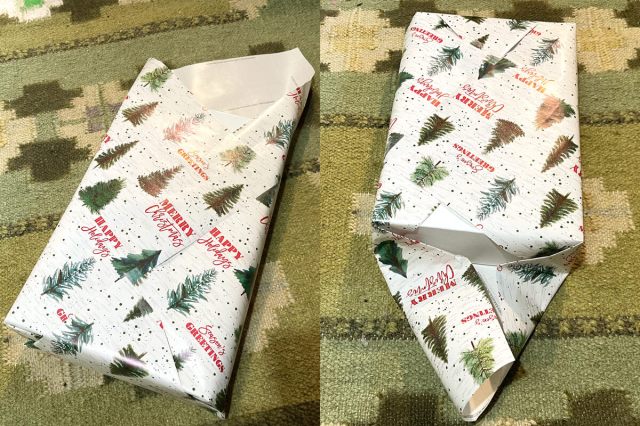
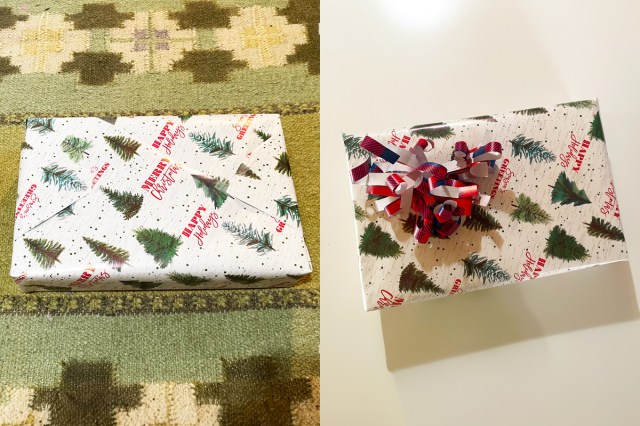
The next time you cut your wrapping paper too short, instead of reaching for another roll, try this brilliant hack that will change the way you wrap presents.

Photo Credit: Kelsey Morrison/ House Outlook Editor

The Diagonal Wrapping Method

The solution couldn’t be simpler:

1. Center the gift box on the sheet of wrapping paper and rotate it diagonally.

Photo Credit: Kelsey Morrison/ House Outlook Editor

2. Starting with the top right corner, pull the triangle-shaped piece of wrapping paper over the gift box and secure it with clear tape.

Photo Credit: Kelsey Morrison/ House Outlook Editor
Advertisement

3. Repeat this step with the bottom left corner. This should create two overlapping triangles; one upside down and the other right side up.

Photo Credit: Kelsey Morrison/ House Outlook Editor
Related: Tips That Take the Stress Out of Gift-Giving

4. Carefully fold the corners of the wrapping paper so they align with the sides of the gift box and lie flat, and then tape them into place. This part may require some adjustments, but it’s possible to create flush, neat corners with the diagonal wrapping method.

Photo Credit: Kelsey Morrison/ House Outlook Editor

5. That’s it! Now you have a well-wrapped gift and a new trick up your sleeve.

Photo Credit: Kelsey Morrison/ House Outlook Editor
Advertisement

How To Make Bows With Leftover Wrapping Paper

If you severely underestimated the amount of wrapping paper needed to cover your gift box and the diagonal wrapping method just won’t cut it (pun very much intended), use the leftover scraps to make matching bows. This hack was introduced to us by TikTok creator ​​@stephanieboothhome; here’s how it’s done:

1. Grab a rectangular sheet of wrapping paper and fold it lengthwise (hotdog-style). I used an 11-inch-by-13-inch scrap of paper.

Photo Credit: Kelsey Morrison/ House Outlook Editor

2. Fold it in half again widthwise (hamburger-style).

Photo Credit: Kelsey Morrison/ House Outlook Editor
Related: Holiday Cookies Are Only Minutes Away With This Time-Saving Hack

3. Position the folded edge at the top. Starting from the bottom, aka the open edge, use scissors to cut 1/2-inch-wide strips of paper. Be sure to leave a 1/2-inch margin at the top; you don’t want to end up with separate strips.

Photo Credit: Kelsey Morrison/ House Outlook Editor
Advertisement

4. Unfold the entire sheet of wrapping paper with the nonprinted side facing up.

Photo Credit: Kelsey Morrison/ House Outlook Editor

5. Starting from the bottom, tightly roll the paper into a tube. Wrap a piece of clear tape around the center to secure it.

Photo Credit: Kelsey Morrison/ House Outlook Editor

6. For extra curl, carefully run each strip along the edge of a scissor blade. Note: If you are working with flimsy wrapping paper, do this extremely carefully; I lost several strands in the process.

Photo Credit: Kelsey Morrison/ House Outlook Editor

7. Fluff the bow, fold it in half, and secure it with tape or staples for a more compact shape. Then, attach the curly bow to the wrapped gift with tape.

Photo Credit: Kelsey Morrison/ House Outlook Editor
Advertisement
Kelsey Morrison
Staff Editor
Kelsey Morrison is the Staff Editor of House Outlook. She has been covering all things home-related for over a decade, including real estate, interior design, commerce, and a slew of other lifestyle topics. Kelsey previously worked as a commerce editor for World of Good Brands (eHow.com and Cuteness.com) and as an associate editor for Livabl.com. She describes her personal design style as 1970s ski chalet-chic and has a thing for latch-hook tapestries.
This article is for general informational purposes only.
Affiliate Disclaimer 
|
Financial Disclaimer
Featured Image Credit:  Kelsey Morrison/ House Outlook Editor | Updated  Dec 5, 2024 |
Advertisement
Cleaning 2m read
0

The Carpet Cleaning Hack That Could Damage Your Vacuum

Whether it’s wall-to-wall or a hand-tufted runner, carpet offers numerous benefits, from plush comfort to cozy insulation and sound absorption. The only drawback is that carpet can be tough to clean, which is why we’re all for an effective hack to make it look (and smell) as good as new. One cleaning solution that many people rely on is baking soda. It can tackle a variety of cleaning tasks throughout the home, such as restoring your favorite dinner plates or getting rid of stains on coffee mugs. But when it comes to cleaning carpet, this hack isn’t all it’s cracked up to be. While it can help remove stains and odors from your carpet, this cleaning agent can potentially do more harm than good.

All featured products and deals are selected independently and objectively by the author. House Outlook may receive a share of sales via affiliate links in content.

Whether it’s wall-to-wall or a hand-tufted runner, carpet offers numerous benefits, from plush comfort to cozy insulation and sound absorption. The only drawback is that carpet can be tough to clean, which is why we’re all for an effective hack to make it look (and smell) as good as new. One cleaning solution that many…

Why Baking Soda Is Bad for Your Vacuum

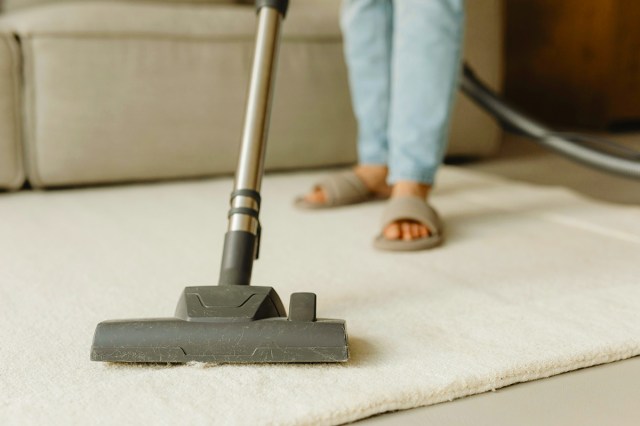
When using baking soda to clean a carpet, you typically vacuum the area, sprinkle on some baking soda, let it sit for a while, then vacuum it up. Sounds easy, right? Well, here’s the thing — while baking soda is a multipurpose ingredient that can be used in all sorts of DIY home cleaners, it’s not suitable for carpets or vacuums. Baking soda is made of fine particles that can get embedded in the carpet fibers (potentially requiring professional cleaning). It can also damage your vacuum by getting into the motor and clogging the machine, rendering it unusable.

In a YouTube video from Performance Reviews, a vacuum was tested against three cups of baking soda. By the second cup, the vacuum’s performance took a hit. And by the third cup, the suction was less effective and baking soda started coming out of the vacuum and filter. The moral of the story? Baking soda and vacuums don’t mix.

Advertisement
Related: 5 Essential Tips for Cleaning Smarter, Not Harder

What To Do Instead

So, how do you freshen up carpet without ruining your vacuum? Using a steam cleaner is a fantastic option for both disinfecting and removing stubborn stains. For a DIY cleaning solution, you can use 1/4 teaspoon dish soap (make sure it’s the clear kind) and 1 cup of room temperature water to remove stains on a carpet. Another option is to buy cleaning products specifically made to clean carpets, like OxiClean or Folex.

Advertisement
Pauline Lacsamana
Writer
Pauline Lacsamana is a freelance writer and editor who specializes in commerce, home, design, and lifestyle. She has bylines in The Spruce, Business Insider, U.S. News & World Report, Hunker, MyDomaine, Parade, and more.
This article is for general informational purposes only.
Affiliate Disclaimer 
|
Financial Disclaimer
Featured Image Credit:  Karolina Grabowska/ Unsplash+ | Updated  Dec 4, 2024 |