Advertisement
Home Improvement 3m read
0

Get Scuffed Leather Looking Like New, Naturally

Banana peels are as versatile as a Swiss Army knife. They’re excellent for adding nutrients to your compost pile, make for great comedy when someone slips on one, and are a game-changing weapon in the world of Mario Kart. On top of that, banana peels are also an effective, natural tool for restoring scuffed leather. So the next time you snack on a banana, don’t throw out the peel just yet. Here’s how you can repurpose it to make your worn-down leather look good as new.

All featured products and deals are selected independently and objectively by the author. House Outlook may receive a share of sales via affiliate links in content.

Banana peels are as versatile as a Swiss Army knife. They’re excellent for adding nutrients to your compost pile, make for great comedy when someone slips on one, and are a game-changing weapon in the world of Mario Kart. On top of that, banana peels are also an effective, natural tool for restoring scuffed leather.…

The Appeal of a Peel

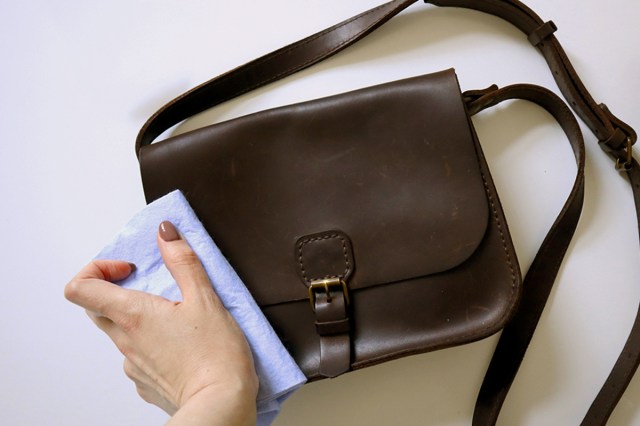
There are two major reasons why banana peels are especially useful when it comes to treating worn leather. First, banana peels are naturally waxy, making them a powerful polish without harmful chemicals. Second, bananas are rich in potassium, a mineral often used in the tanning industry for treating hides and making leather more durable. This makes the peels ideal for buffing scuffs out of leather furniture, belts, bags, shoes, and other similar items showing their age.

Related: Fruits and Vegetables You Should Never Store Together

Here’s how it works: Rub the inside of the peel along damaged sections of the leather in smooth, circular motions to work it in. Next, take a clean, soft cloth and wipe away any visible residue. Finally, use a clean portion of that same cloth to rub the scuffed leather in vigorous circular motions. This should buff and shine the leather, leaving it looking as fresh as the day you got it.

Advertisement

But That’s Not All

In addition to removing scuffs from leather, the waxiness of banana peels makes them an excellent polish for wood and silver. Let’s say you have a wooden coffee table with scratches or water rings — simply follow the same steps outlined above, and you can buff out those unsightly blemishes.

If you have any tarnished silver (e.g., flatware, serving platters, picture frames), take a few banana peels, put them in a blender, and pulverize them into a paste. Peels from ripened bananas will be easier to blend, but you can add a little water (around 1/4 cup) if needed. Next, apply a thin layer of paste to the tarnished silver item in question. Take a clean cloth and buff the paste into the silver; this should remove or lessen the tarnish. Finally, wash off the residue with warm, soapy water, and dry the item thoroughly using another clean cloth. Your once-tarnished silver should gleam brightly again.

Advertisement
Bennett Kleinman
Staff Writer
Bennett Kleinman is a New York City-based staff writer for Optimism Media, covering topics for several brands including House Outlook and Better Report. He previously contributed to television programs such as "Late Show With David Letterman" and "Impractical Jokers," and digital publications like The Onion. Bennett is also a devoted New York Yankees and New Jersey Devils fan, and thinks plain seltzer is the best drink ever invented.
This article is for general informational purposes only.
Affiliate Disclaimer 
|
Financial Disclaimer
Featured Image Credit:  Lesia Larionova/ iStock | Updated  May 6, 2025 |
Advertisement
Gardening 3m read
0

This Kitchen Scrap Is Garden Gold

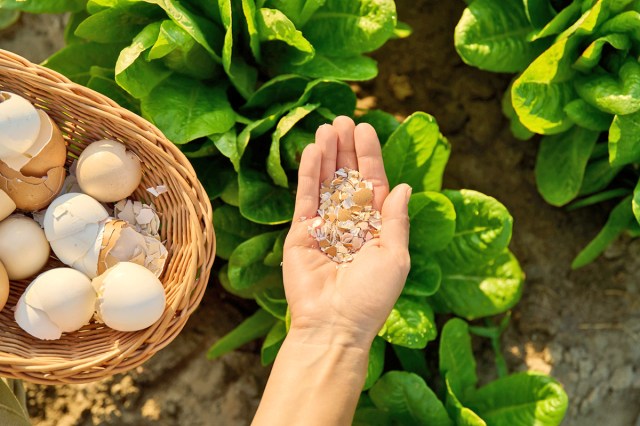
There’s a saying that “you can’t make an omelet without breaking eggs.” But even if you don’t make omelets on a regular basis, chances are, you still use eggs quite frequently in your cooking or baking. That means a lot of empty eggshells, and most of them go straight into the garbage. If you’re a gardener, though, you could be getting more from your eggs. Crushed eggshells are surprisingly useful in the garden, so hear us out before you toss them.

All featured products and deals are selected independently and objectively by the author. House Outlook may receive a share of sales via affiliate links in content.

There’s a saying that “you can’t make an omelet without breaking eggs.” But even if you don’t make omelets on a regular basis, chances are, you still use eggs quite frequently in your cooking or baking. That means a lot of empty eggshells, and most of them go straight into the garbage. If you’re a…

Eggshells for Plant Health

Eggshells, whether the eggs are white or brown, are mostly made of calcium. That’s an important nutrient in garden soil, and a calcium deficiency can cause some notable problems (blossom-end rot in tomatoes and peppers, for example). Calcium also helps neutralize acidity, so if you have acidic soil, you’ll find that hostas, daylilies, hydrangeas, ivy, and many vegetables benefit from eggshells’ ability to tamp down soil acidity (much like wood ash from your fireplace). That said, you should always test your soil before adding amendments.

The Physical Benefits of Eggshells in the Garden

Aside from the role calcium plays in your garden soil, eggshells have a number of physical benefits. A ring of coarsely crushed eggshells around vulnerable plants can help keep slugs and snails away, as the shells are hard on their soft bellies. Crushed eggshells also add texture and aeration to your soil, loosening it and making it more hospitable for your plants’ roots, as well as worms and the many other tiny creatures that live in your garden’s ecosystem.

Advertisement

Ground vs. Crushed

Simply dropping used shells in the garden works, but it’s not ideal — they can start to smell and sometimes attract pests. Instead, give them a quick rinse and then let them dry thoroughly before crushing or grinding them. You can even toast them lightly in a low oven to speed the drying process — 30 minutes at 200 degrees Fahrenheit is all it takes.

Related: Why Every Gardener Should Practice Companion Planting

Once they’re ready, you can work crushed or ground eggshells directly into the soil, or incorporate them into your compost instead. Finely ground eggshells are generally best as a calcium supplement because they release calcium into the soil quickly, while coarsely crushed eggshells are better as a physical amendment for soil due to their slower breakdown.

Advertisement
Fred Decker
Writer
Fred Decker is a trained chef and former restaurateur. Since closing his restaurants over a decade ago he has been a prolific freelance writer, publishing several thousand articles on dozens of high-volume websites including Taste Of Home, Hunker, Tasting Table, Week&, eHow, and GOBankingRates. He lives on a rural acreage shared with a big garden, chickens, rabbits, and grandkids.
This article is for general informational purposes only.
Affiliate Disclaimer 
|
Financial Disclaimer
Featured Image Credit:  Valeriy_G/ iStock | Updated  May 6, 2025 |
Advertisement
Organizing 3m read
0

Ditch the Shoe Rack, Store Sandals Like This Instead

Once the last pile of snow melts, it’s time to pack away your boots (see you next fall!) and dust off your sandals. Organizing sandals can be a challenge, though. They’re slim and can easily slip through the cracks of a shoe rack. Laying them flat isn’t ideal either; that takes up too much valuable space, especially if you’re a footwear fiend with dozens of pairs. Instead, spare yourself the chaos with a couple of simple, space-saving solutions.

All featured products and deals are selected independently and objectively by the author. House Outlook may receive a share of sales via affiliate links in content.

Once the last pile of snow melts, it’s time to pack away your boots (see you next fall!) and dust off your sandals. Organizing sandals can be a challenge, though. They’re slim and can easily slip through the cracks of a shoe rack. Laying them flat isn’t ideal either; that takes up too much valuable…

Store Sandals in a Basket

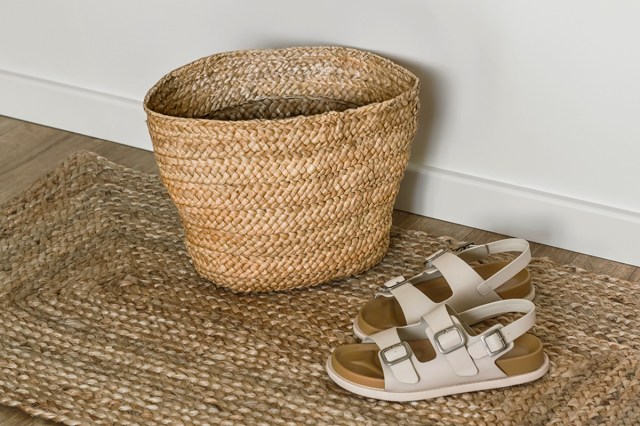
For a streamlined look, store sandals and flip-flops in a cylindrical basket. Arrange each pair of sandals back to back, then slide them vertically into the basket, building a circular design as you go. This method consolidates your sandals into one compact container. (Let’s face it: All the pairs stuck in dark corners of your closet will never get worn.) The limited space also keeps your collection contained, making it harder to justify that fifth pair of brown leather slides when you can’t fit them in the basket.

What You’ll Need

MEGASKET Large Wicker Storage Basket, $22.99

…Or a Customizable Shoe Compartment Bin

If you don’t already have a cylindrical basket for corralling your sandals, we recommend a collapsible, customizable shoe compartment bin. Nestle each pair into its own adjustable cubby for a tidy, upright display that makes it easy to see all of your pairs at once. Many of these bins come with a zippered, clear top, so your sandals stay dust-free between seasons.

What You’ll Need

StorageWorks Shoe Organizer, $29.49

Advertisement

Additional Tips for Organizing Sandals

1. Declutter Regularly: Haven’t worn that pair of gold slides in two summers? Are the soles of your favorite flip-flops worn down to nothing? It’s time to donate or toss.

2. Sort by Style: Grouping styles of sandals together (such as beach, casual, and dressy) makes finding the perfect pair a breeze.

Related: The Organizing Hack That Prevents Clutter Buildup

3. Maximize Vertical Space: Consider installing shelves or over-the-door organizers to take advantage of vertical storage areas, keeping your sandals off the floor.

4. Rotate Shoes Seasonally: Once the leaves start to fall, move your sandals to a higher shelf or under-bed storage. This will make room for current seasonal footwear. (Hello again, boots!)

Advertisement
Megan McCarty
Writer
Megan McCarty is a Los Angeles-based writer who covers the fun stuff: design, travel, wellness, beauty, and fashion. She has written for publications including Domino, The Spruce, MyDomaine, Bustle, and Rue Magazine. Her life rules include, but are not limited to, zipper when merging, contribute to your IRA, and do the nice thing.
This article is for general informational purposes only.
Affiliate Disclaimer 
|
Financial Disclaimer
Featured Image Credit:  OksanaKiian/ iStock | Updated  May 19, 2025 |
Advertisement
Food & Drink 2m read
0

How To Store Celery So It Stays Super Crisp

Nobody likes ants in their kitchen — unless, of course, we’re talking about ants on a log, a tasty snack that requires raisins, peanut butter, and most importantly, a crisp piece of celery. The latter is also a crucial ingredient when making tuna salad or snacking on veggies and ranch dressing — celery is always better when firm. Here’s a simple hack to keep celery super crisp and prevent it from wilting.

All featured products and deals are selected independently and objectively by the author. House Outlook may receive a share of sales via affiliate links in content.

Nobody likes ants in their kitchen — unless, of course, we’re talking about ants on a log, a tasty snack that requires raisins, peanut butter, and most importantly, a crisp piece of celery. The latter is also a crucial ingredient when making tuna salad or snacking on veggies and ranch dressing — celery is always…

The Perils of Plastic Wrap

One of the most common, yet easily preventable mistakes people make is keeping celery inside the plastic packaging it’s often sold in. That’s because the plastic traps in ethylene gas — a naturally occurring hormone that causes plants to ripen quickly and spoil. So what should you use instead? Well, thankfully, the answer is probably already in your kitchen cabinet: aluminum foil.

If the celery was sold in plastic packaging, begin by removing the stalk from the plastic. (Fun fact: A bunch of celery is called a stalk, while a single piece is called a rib.)

Related: An Easy Trick To Revive Carrots That Have Gone Limp

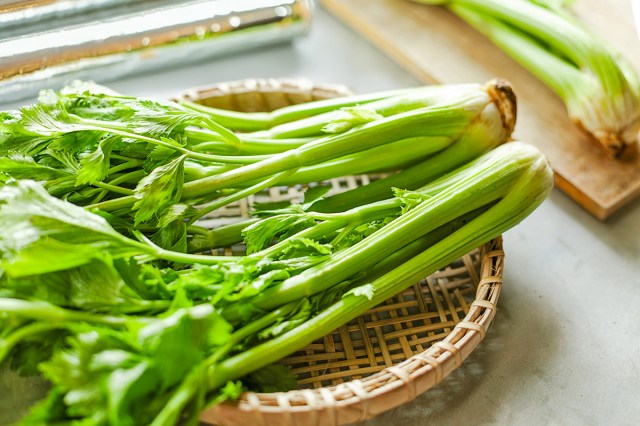
Next, wrap the stalk in a large sheet of foil, being sure to leave the ends uncrimped. The foil will trap moisture, which is essential for maintaining crispness. At the same time, the uncrimped ends allow ethylene gas to escape, slowing down the ripening process. Store the foil-wrapped celery in the crisper drawer of any refrigerator, where it should remain crunchy for two weeks to a month.

Advertisement

How To Rehydrate Celery

Sometimes celery wilts, despite your best efforts to keep it crisp. But rather than toss out the limp ribs, try to revive them and restore some crunch. Trim a little bit off both ends of the ribs, place them in a bowl of ice-cold water, and let them soak in the refrigerator for 30 minutes to one hour. This should restore some of the celery’s natural crispness, though it would still be a good idea to use it sooner rather than later.

Advertisement
Bennett Kleinman
Staff Writer
Bennett Kleinman is a New York City-based staff writer for Optimism Media, covering topics for several brands including House Outlook and Better Report. He previously contributed to television programs such as "Late Show With David Letterman" and "Impractical Jokers," and digital publications like The Onion. Bennett is also a devoted New York Yankees and New Jersey Devils fan, and thinks plain seltzer is the best drink ever invented.
This article is for general informational purposes only.
Affiliate Disclaimer 
|
Financial Disclaimer
Featured Image Credit:  Diana Light/ Unsplash | Updated  May 5, 2025 |
Advertisement
Decorating 3m read
0

Give Old Candle Jars New Life by Removing the Wax

With their flickering flames and wafting aromas, candles are a great way to create a warm, inviting ambiance in your home. The only problem is that there always seems to be leftover wax at the end of a candle wick’s lifespan. If you aren’t quite sure what to do with that leftover wax — or if you love the candle vessel and want to remove the wax so you can repurpose it as a plant pot or small trinket dish — we have an ingenious hack for you.

All featured products and deals are selected independently and objectively by the author. House Outlook may receive a share of sales via affiliate links in content.

With their flickering flames and wafting aromas, candles are a great way to create a warm, inviting ambiance in your home. The only problem is that there always seems to be leftover wax at the end of a candle wick’s lifespan. If you aren’t quite sure what to do with that leftover wax — or…

Ahead, find the best way to remove wax from candle jars, plus two additional tried-and-true methods to dislodge and reuse it.

How To Remove Wax From Candle Jars

The Freezer Method

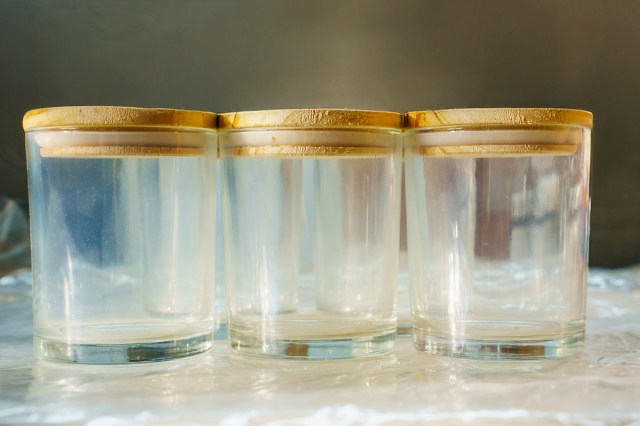
Removing candle wax from its original vessel is as simple as placing the vessel in a freezer for a day or two and then popping out the wax. While in the freezer, the wax shrinks and solidifies, making it easier to release from the candle jar using a butter knife or a whack from the heel of your hand. Tempered glass and metal containers are generally freezer-safe, but ceramic is prone to cracking. Note that most candle jars are not food-safe, so once empty, they’re best used for housing new candles or small items.

Related: How To Prevent and Fix Tunneling Candles

The Hot Water Method

Pouring boiling water into a candle jar with wax might seem counterintuitive and likely to create a sticky mess, but it can actually help loosen the wax. It’s safer to use a glass or ceramic container for this method, and we recommend doing it in a sink to contain any potential breakage from thermal shock. (Note: Do not combine this with the freezer method.)

All you have to do is boil some water in a tea kettle and pour it into the jar, leaving a small amount of space at the top to prevent it from overflowing. The wax will melt and rise to the top, as it’s less dense than water. Allow everything to cool completely, and you should be able to easily remove the solidified pieces of wax from the water’s surface. You can break the wax into smaller shards and repurpose them as wax melts for a fragrance warmer.

Advertisement

The Boiling Method

You can also reheat the wax to create new candles. Put a saucepan on your cooktop and place a smaller, heat-safe container (such as a glass bowl) inside it. Put the candle jar in the smaller container to weigh it down, then add water to the saucepan until it reaches about halfway up the side of the smaller container. Next, bring the water to a gentle simmer to create a double-boil effect. The heat will melt the candle wax at the bottom of the jar, allowing you to remove the old wicks and pour the melted wax into a smaller jar (such as a tea light holder) with a brand new wick. To get more out of your leftover wax, you can purchase tea light cups and make several small homemade candles.

Advertisement
Jessie Quinn
Writer
Jessie Quinn is a Los Angeles-based lifestyle journalist with words published in PEOPLE, StyleCaster, Apartment Therapy, The Spruce, Byrdie, and more. She has a Bachelor's Degree in fashion journalism from Academy of Art University and her work spans across many categories, including style, beauty, home, health, crafts, and more.
This article is for general informational purposes only.
Affiliate Disclaimer 
|
Financial Disclaimer
Featured Image Credit:  Maria Saifutdinova/ iStock | Updated  May 5, 2025 |
Advertisement
Cleaning 3m read
0

Pick Up Small Items Fast With This Vacuuming Hack

If you have little ones in your life, you’ve no doubt encountered the countless small pieces that come with their various toys. You know the ones: Legos, puzzle pieces, marbles, Barbie shoes, etc. Crafters also often contend with cleaning up teeny yet troublesome messes left behind by their favorite hobbies, such as beading, sewing, scrapbooking, or model making.

All featured products and deals are selected independently and objectively by the author. House Outlook may receive a share of sales via affiliate links in content.

If you have little ones in your life, you’ve no doubt encountered the countless small pieces that come with their various toys. You know the ones: Legos, puzzle pieces, marbles, Barbie shoes, etc. Crafters also often contend with cleaning up teeny yet troublesome messes left behind by their favorite hobbies, such as beading, sewing, scrapbooking,…

The next time you’re faced with a scattering of sequins or action figure accessories, try this vacuuming hack that makes picking up small items infinitely easier.

A Solution for Small Messes

This trick couldn’t be simpler and saves you a ton of time when you need to pick up small items quickly. First, grab a thin, stretchy sock or an old pair of pantyhose. Slide the sock over the vacuum hose and use your fingers to push the toe end into the opening, creating a pocket. A couple of inches of sock (the part that fits over your ankle) should remain on the outside of the hose, allowing you to secure it with a rubber band or hold it tightly with your fingers.

Turn the vacuum on and hover the hose over the small items to suck them into the sock’s pocket. When you’re done, flip the hose upright before turning off the machine to prevent anything from falling out. Remove the rubber band if necessary and carefully pull the sock out of the hose — the items should be contained inside it like a pouch, and you can return them to whatever container they came from.

This hack can be performed with any thin sock — a thicker one may not allow for adequate suction. Of course, the bigger the sock, the more things you can pick up, so we recommend using a crew sock over an ankle sock. If you’re dealing with a large mess, you might need to repeat the process a few times, filling up socks as you go. Hey, it’s still better than painstakingly picking up the items one by one.

Advertisement

It’s a Protect-Your-Back Hack

Even if you don’t have kids around, this hack effectively cleans up any small items you may have dropped (or maybe your pet knocked over), such as game pieces, coins, or medication. Not only does it save time, but you’ll protect your back from the strain of prolonged bending.

Related: The $1 Tool That Removes Hair From Your Vacuum Roller

It’s also helpful if you’ve misplaced something, perhaps an earring back or a screw, and have a general idea of where it might be. You can safely vacuum that area, checking the sock periodically to see if you’ve collected it.

Advertisement
Jill Layton
Writer
Jill Layton started writing professionally when she realized her emails and texts were kinda funny. She’s an affiliate shopping writer and lifestyle contributor for Scary Mommy, Bustle, Mic, and Best Products. She’s the mom of two alarmingly witty kids and the world’s most perfect dog.
This article is for general informational purposes only.
Affiliate Disclaimer 
|
Financial Disclaimer
Featured Image Credit:  Thomas Kreiter/ iStock | Updated  May 5, 2025 |
Advertisement
Food & Drink 4m read
0

5 Costco Hacks You Need To Know

In a lot of ways, shopping at Costco feels like cheating the system — you can save money on gas, get good deals on auto insurance, and, of course, snag a $5 rotisserie chicken all in one swoop. But the retailer offers so many opportunities to save that it’s possible you’re not using your Costco membership to its fullest potential, even if you’re a seasoned shopper.

All featured products and deals are selected independently and objectively by the author. House Outlook may receive a share of sales via affiliate links in content.

In a lot of ways, shopping at Costco feels like cheating the system — you can save money on gas, get good deals on auto insurance, and, of course, snag a $5 rotisserie chicken all in one swoop. But the retailer offers so many opportunities to save that it’s possible you’re not using your Costco…

The Best Costco Hacks for Prices, Gas, and More

Knowing how to hack your Costco membership and get the most bang for your buck makes the annual fee worth it. Here are some of the best Costco hacks for scoring great deals, including using Costco Travel for steep savings on rental cars, hotels, and more.

1. Buy Gift Cards

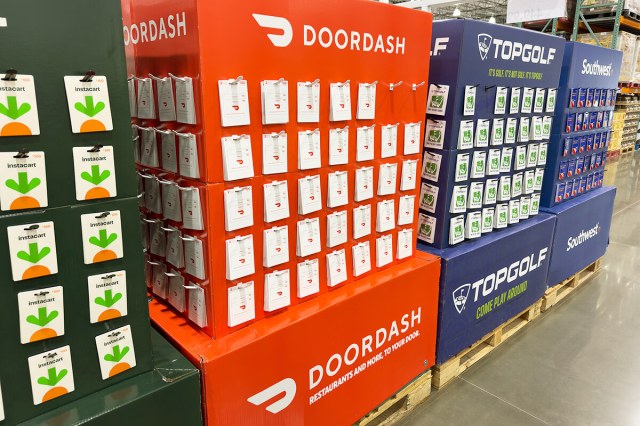
Like most grocery stores, Costco sells gift cards. But you get more for what you spend at the warehouse club compared to regular retailers. When you buy gift cards at Costco, you can save up to 30% on the face value, so you’re essentially locking in a deal up front. While you can certainly gift Costco-sourced gift cards, the real hack is using them yourself as a cost-saving perk. For example, if you buy a pack of two $50 Uber Eats gift cards for $80, you can order $100 of take-out for 20% off by purchasing the cards at Costco, and then loading them onto your Uber app.

Credit: Jammy Jean/ Adobe Stock
Advertisement

2. Fill Up on Gas Before the Store Opens

Costco has some of the best gas prices around, and your gets you membership access to more than 700 fuel stations nationwide. There’s just one problem: Because of the impressive discounts, the Costco gas line is notoriously long. If you need to fill up your tank, consider going before business hours. The Costco gas stations are usually open much earlier than the store itself (in some cases, as early as 5:30 a.m.). This way, you can take advantage of those lower gas prices without cutting into your day.

Credit: Alfonsodetomas/ iStock
Related: Who Actually Makes Your Favorite Kirkland Products?

3. Understand the Price Codes

The secret to the best Costco deals is knowing when to buy, and it all comes down to understanding the retailer’s price codes. These codes provide valuable insights into each product, helping you to identify actual deals and anticipate future price drops. While we covered a full breakdown of Costco price tags, a few of the most important things to remember are that full prices always end in .99, other prices that end in 9 (such as .49 and .59) indicate manufacturer discounts, and the best deals, specifically clearance or markdown items, end in 7.

Credit: John Greim/ LightRocket via Getty Images
Advertisement

4. Utilize Costco Travel

Costco Travel is arguably the greatest hack (and perk) of the warehouse membership. When you use the Costco Travel website, you can find good deals on hotels, cruises, and rental cars, and even take advantage of packages and limited-edition deals, such as a seven-night Alaskan cruise for under $1,000 per person. Costco rental cars are also worth considering and can ultimately save you hundreds on travel expenses if you book through the superstore.

Credit: Ilnur Khisamutdinov/ Alamy Stock Photo
Related: The Best Costco Finds To Stock Your Freezer With

5. Shop Online for Sporting Events and Attraction Tickets

Being a card-carrying Costco member is a lot like having access to corporate discounts — except the superstore often offers even better deals. When you shop online, you can find all sorts of discounts on theme parks and attractions, sporting events, and even concert tickets. Whether you’re planning a vacation or sticking close to home, there are almost always travel deals to discover, such as the Go City New York Two-Day All-Inclusive Pass, Kennedy Space Center tickets, and discounted San Diego Zoo passes.

Credit: IB Photography/ iStock
Advertisement
Jessie Quinn
Writer
Jessie Quinn is a Los Angeles-based lifestyle journalist with words published in PEOPLE, StyleCaster, Apartment Therapy, The Spruce, Byrdie, and more. She has a Bachelor's Degree in fashion journalism from Academy of Art University and her work spans across many categories, including style, beauty, home, health, crafts, and more.
This article is for general informational purposes only.
Affiliate Disclaimer 
|
Financial Disclaimer
Featured Image Credit:  Thamyris Salgueiro/ Alamy Stock Photo | Updated  May 1, 2025 |
Advertisement
Food & Drink 3m read
0

A Mess-Free Way To Measure Sticky Ingredients

When you’re in the middle of preparing a sauce or baking cookies, there’s nothing more annoying than having to trek back and forth to the sink to clean your measuring tools after each add-in. And since most of us have only one set of measuring cups and spoons, dealing with sticky ingredients such as honey, maple syrup, or peanut butter is particularly challenging. But it’s not just the cleanup that’s a pain — that sticky layer of agave syrup clinging to the spoon can throw off your measurements, affecting the outcome of your recipe.

All featured products and deals are selected independently and objectively by the author. House Outlook may receive a share of sales via affiliate links in content.

When you’re in the middle of preparing a sauce or baking cookies, there’s nothing more annoying than having to trek back and forth to the sink to clean your measuring tools after each add-in. And since most of us have only one set of measuring cups and spoons, dealing with sticky ingredients such as honey,…

So, what’s a home cook to do when faced with a sticky situation? Reach for a can of nonstick cooking spray.

A Quick Spritz To Avoid Sticky Messes

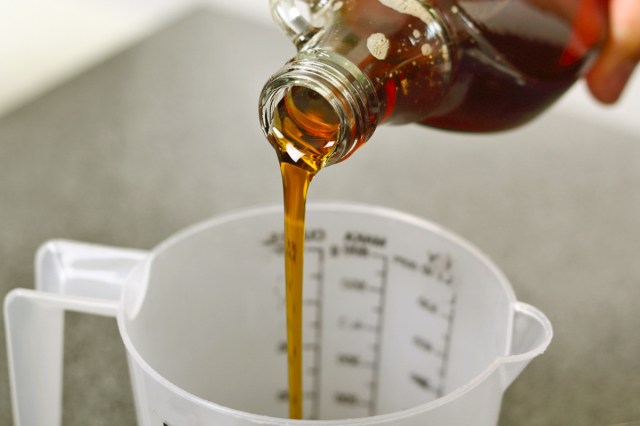
The next time you need to add a tablespoon of honey to a marinade, head to the pantry to grab a can of nonstick cooking spray or a reusable oil sprayer. You can use any cooking spray you have on hand; the type of oil (avocado, olive, canola, etc.) doesn’t matter. Here’s the trick: Spray your measuring tool with a light coat of oil before adding the sticky ingredient.

Related: Don’t Throw Away Crystalized Honey — Do This Instead

This creates a lipid, or fat-based, barrier between the spoon’s material and the sticky ingredient. The oil molecules are less attracted to the sticky substance’s molecules, allowing the ingredient to slide right out. Now you can portion all types of ingredients without making repeated trips to the kitchen sink for washing and drying.

Advertisement

Measure Wet and Dry Ingredients Together

There’s another way to avoid getting your measuring spoon sticky, but it only works if you’re working with both wet and dry ingredients. Let’s say you’re whipping up some blueberry oatmeal muffins and the recipe asks you to combine a tablespoon of honey with your dry ingredients (flour, sugar, baking powder, etc.). If you don’t want to dirty your measuring spoon with the honey, press the rounded back of the spoon into the dry ingredients. This will create a well that’s roughly the same size as the amount of honey needed. Then, simply fill the indentation with the sticky ingredient. This hack isn’t about precision (for that, you’ll need a kitchen scale), but it’s perfect for those “measure with your heart” recipes.

Advertisement
Kelsey Morrison
Staff Editor
Kelsey Morrison is the Staff Editor of House Outlook. She has been covering all things home-related for over a decade, including real estate, interior design, commerce, and a slew of other lifestyle topics. Kelsey previously worked as a commerce editor for World of Good Brands (eHow.com and Cuteness.com) and as an associate editor for Livabl.com. She describes her personal design style as 1970s ski chalet-chic and has a thing for latch-hook tapestries.
This article is for general informational purposes only.
Affiliate Disclaimer 
|
Financial Disclaimer
Featured Image Credit:  vinicef/ iStock | Updated  Apr 29, 2025 |
Advertisement
Gardening 3m read
0

A Fresh-Smelling Way To Keep Wasps at Bay

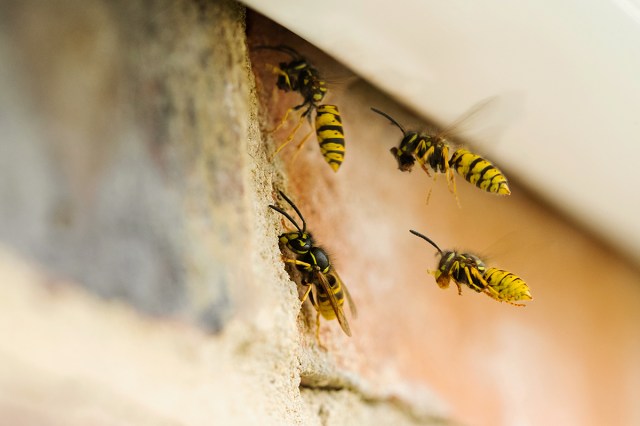
There’s nothing better than the warmth of spring after a long, cold winter. But in addition to rising temperatures, longer days, and fresh greenery, the season is marked by a less welcome sign: the return of wasps. When these uninvited guests start to reappear, building nests under eaves or becoming a nuisance on your patio, you’ll want to be prepared. One way to do so is by making your own wasp-repellent spray with only three ingredients: peppermint oil, water, and dish soap.

All featured products and deals are selected independently and objectively by the author. House Outlook may receive a share of sales via affiliate links in content.

There’s nothing better than the warmth of spring after a long, cold winter. But in addition to rising temperatures, longer days, and fresh greenery, the season is marked by a less welcome sign: the return of wasps. When these uninvited guests start to reappear, building nests under eaves or becoming a nuisance on your patio,…

Why Go Natural?

There are plenty of commercial wasp repellents out there, but peppermint is a natural ingredient that also keeps the stinging insects at bay. The strong scent overloads wasps’ olfactory receptors, irritates their respiratory systems, and disrupts the pheromone signals they use to communicate. In this case, peppermint in its essential oil form is quick and easy to use. However, it’s important to note that peppermint oil is toxic to dogs and cats, so be cautious of this DIY spray if you have pets that might come into contact with the treated areas.

What You’ll Need

Peppermint essential oil

Water

Dish soap

Spray bottle

Advertisement

How To Make DIY Wasp-Repellent Spray

To make a natural, fresh-smelling wasp-repellent spray, add 10 to 15 drops of peppermint essential oil, 4 cups of water, and 1 tablespoon of mild dish soap to a spray bottle. Secure the nozzle and shake well to combine the ingredients.

Tip: We recommend using an amber glass spray bottle as essential oils can degrade plastic over time. The darker glass reduces UV light exposure and helps prevent oxidation, extending the shelf life of your DIY repellent.

Related: Make an All-Natural Bug-Repellent Spray Using This Spice Rack Staple

In the early morning or late evening, spray the peppermint oil solution where you have previously seen wasps or typically find them. Target eaves and overhangs, porch ceilings, window and door frames, gutters, and under decking and stair supports. If you see an active nest, don’t spray it with repellent — for that, you’ll need a product designed to kill the wasps.

Advertisement

Plant Your Way To Get Rid of Wasps

You can also play the long game and plant mint — whether it’s peppermint or spearmint — in large pots to create a similar effect. Hanging planters filled with fragrant mint can help protect your porch, while ceramic pots of the herb on your patio can prevent the pests from bothering you. Of course, tending to plants requires a bit more upkeep, but the result is a natural wasp repellent coupled with that wonderfully fresh scent.

Advertisement
Pauline Lacsamana
Writer
Pauline Lacsamana is a freelance writer and editor who specializes in commerce, home, design, and lifestyle. She has bylines in The Spruce, Business Insider, U.S. News & World Report, Hunker, MyDomaine, Parade, and more.
This article is for general informational purposes only.
Affiliate Disclaimer 
|
Financial Disclaimer
Featured Image Credit:  Daisy Daisy/ Adobe Stock | Updated  Apr 29, 2025 |
Advertisement
Cleaning 3m read
0

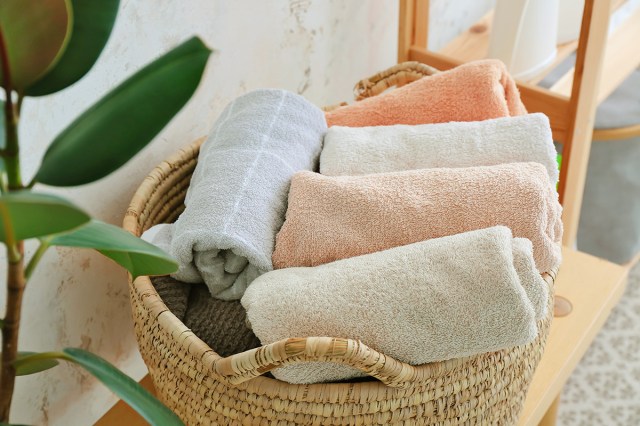
How To Rescue Smelly Towels From Mildew

Damp towels confined in hampers or left crumpled on the floor are a breeding ground for mildew and bacteria. Even properly hung towels in a bathroom with poor ventilation may not dry thoroughly, leading to mildew growth and that musty, nose-wrinkling smell.

All featured products and deals are selected independently and objectively by the author. House Outlook may receive a share of sales via affiliate links in content.

Damp towels confined in hampers or left crumpled on the floor are a breeding ground for mildew and bacteria. Even properly hung towels in a bathroom with poor ventilation may not dry thoroughly, leading to mildew growth and that musty, nose-wrinkling smell.

A Mildew-Fighting Hack

The mildew smell that often riddles towels can be hard to get rid of, so much so that you might consider throwing away the towel and starting fresh. Fortunately, that won’t be necessary, because there’s a simple and cost-effective laundry hack that requires only three ingredients — two of which you almost surely have at home.

The solution is straightforward: Run the towels through a hot-water rinse cycle with your regular detergent, adding one scoop of borax (about 1/4 to 1/2 cup) to the drum to enhance your machine’s cleaning power and fight odors.

Related: The Secret to Supersoft, Fluffy Towels

Borax, aka sodium borate, is commonly used as a laundry booster and cleaning agent. You can purchase borax in powder or liquid form, but it’s usually sold as a powder for laundry purposes. Some detergents, such as Tide Free & Gentle and Persil Free & Sensitive, already contain sodium bicarbonate, as it contributes to their stain- and odor-fighting abilities. No matter which detergent you use, you can still benefit from an additional scoop of borax powder.

Advertisement

How To Prevent Smelly Towels

To prevent that mildew smell on your towels in the first place, consider using quick-drying or microfiber materials, or hanging them outside of the bathroom. When they’re hung in a well-ventilated area with low humidity, they have a better chance of drying thoroughly. However, laundering your towels regularly is the best preventative measure. You should wash your towels after three to five uses, or after each use if the mildew smell persists.

Summer is an especially important time to wash towels more frequently since humidity promotes mildew growth. A simple way to avoid smelly pool or beach towels is to lay them flat in the sun. The sunscreen smell is way more tolerable than mildew.

Advertisement
Jill Layton
Writer
Jill Layton started writing professionally when she realized her emails and texts were kinda funny. She’s an affiliate shopping writer and lifestyle contributor for Scary Mommy, Bustle, Mic, and Best Products. She’s the mom of two alarmingly witty kids and the world’s most perfect dog.
This article is for general informational purposes only.
Affiliate Disclaimer 
|
Financial Disclaimer
Featured Image Credit:  Pixel-Shot/ Adobe Stock | Updated  Apr 29, 2025 |