Advertisement
Food & Drink 2m read
0

Achieve Perfectly Round Cookies With This Baking Hack

The only thing better than a warm chocolate chip cookie? A perfectly round, warm chocolate chip cookie — one with crispy edges and a soft, chewy middle. Whether you’re a novice baker or confident enough to audition for The Great British Bake Off, one easy trick will make your next batch of cookies look and taste even better. If your cookies spread unevenly while baking, this method gives you a uniform, bakery-level look, all while enhancing the texture with minimal extra effort. Win-win.

All featured products and deals are selected independently and objectively by the author. House Outlook may receive a share of sales via affiliate links in content.

The only thing better than a warm chocolate chip cookie? A perfectly round, warm chocolate chip cookie — one with crispy edges and a soft, chewy middle. Whether you’re a novice baker or confident enough to audition for The Great British Bake Off, one easy trick will make your next batch of cookies look and…

How To Make Perfectly Round Cookies

TikTok creator The Subversive Table repurposes a simple kitchen tool — a biscuit cutter — to achieve perfectly round cookies with the ideal texture. Here’s how it works: Right after you pull your cookies out of the oven, place a large biscuit cutter over each cookie and gently swirl it in a circular motion. A few quick spins around the inside of the biscuit cutter will smooth out irregular edges, transforming each cookie (no matter how lopsided) into a uniform circle. The circular motion nudges the edges inward, creating a neater shape without flattening the cookie.

Related: How To Soften Butter in Minutes (No Microwave Required)

Tip: If you don’t already own a biscuit cutter, you can use a wide-mouth drinking glass, mug, or even Mason jar rings to achieve similar results.

You need to act fast, though. The cookies are only pliable while warm; that’s when the edges are soft enough to mold. Once cooled, they’ll retain that perfect roundness.

Advertisement

Not only does this technique create beautifully formed cookies, but it also results in a satisfying texture. Because you’re not pressing down on the cookie, the interior remains soft and chewy while the edges stay delightfully crisp.

With just a few spins around a biscuit cutter or another round item, you’ll create cookies with a classic homemade taste and a bakery-worthy appearance. Here’s betting your kids, friends, and co-workers alike will be asking for another batch of freshly baked (and perfectly round) cookies soon.

Advertisement
Megan McCarty
Writer
Megan McCarty is a Los Angeles-based writer who covers the fun stuff: design, travel, wellness, beauty, and fashion. She has written for publications including Domino, The Spruce, MyDomaine, Bustle, and Rue Magazine. Her life rules include, but are not limited to, zipper when merging, contribute to your IRA, and do the nice thing.

This article is for general informational purposes only.
Affiliate Disclaimer 
|
Financial Disclaimer
Featured Image Credit:  Alp Galip/ iStock | Updated  Apr 29, 2025 |
Advertisement
Decorating 3m read
0

A Renter-Friendly Way To Hang Curtains Without Drilling

Making a rental feel like your own often requires creative design solutions, from peel-and-stick tile backsplashes to upgraded light fixtures. After all, the last thing you want is unsightly holes or marks on the wall that could prevent you from getting your security deposit back. There are plenty of ways to lend warmth and personality to a rental, but few updates have as much impact as hanging curtains. Turns out, there’s an easy, renter-friendly way to do it, without breaking out the drill.

All featured products and deals are selected independently and objectively by the author. House Outlook may receive a share of sales via affiliate links in content.

Making a rental feel like your own often requires creative design solutions, from peel-and-stick tile backsplashes to upgraded light fixtures. After all, the last thing you want is unsightly holes or marks on the wall that could prevent you from getting your security deposit back. There are plenty of ways to lend warmth and personality…

What You’ll Need

Large Command hooks

Large Command strips

Curtain rod less than 1.6 inches in diameter

Curtains

How To Hang Curtains With Command Hooks

Start by wiping down the area where you want to hang the curtains to prevent dust or debris from interfering with the adhesive. Use isopropanol rubbing alcohol (a solution of 70% is recommended) and a lint-free microfiber cloth or paper towel to get a thorough clean. The adhesive on Command strips works best on clean, dry surfaces, so let it dry completely before getting to work.

Related: 12 Design Tricks To Make a Small Room Feel More Spacious

Next, decide where you want to place the curtain rod. (Pro tip: To create the illusion of a larger room, hang the curtains closer to the ceiling, roughly 4 to 6 inches above the window.) Once you’ve determined the best spot, mark where to place the Command hooks using a pencil or painter’s tape.

Now it’s time to break out the heavy-duty Command strips. Although the Command hooks come with their own strips, they only support up to 5 pounds. The large picture-hanging strips can hold up to 15 pounds, providing better security for the curtains and rod.

Advertisement

Following the manufacturer’s instructions, remove the protective backing and adhere a picture-hanging strip to the back of each hook. Then, peel back the paper on the other side of the adhesive and firmly attach the hook (with the strip) to the wall. Press and hold the hook against the wall for at least 30 seconds. It’s recommended to wait one hour before hanging anything on the hook.

Once the hour is up, get the curtain rod. (Note that these specific Command hooks can only accommodate curtain rods with diameters less than 1.6 inches. Luckily, we found a couple of options — such as this simple black one and this one with a ball end cap that comes in a variety of finishes — that fit the bill perfectly.) String both curtain panels onto the rod, then hang the rod on the hooks. Just like that, you have a renter-friendly upgrade that elevates your space without damaging the walls.

Advertisement
Pauline Lacsamana
Writer
Pauline Lacsamana is a freelance writer and editor who specializes in commerce, home, design, and lifestyle. She has bylines in The Spruce, Business Insider, U.S. News & World Report, Hunker, MyDomaine, Parade, and more.
This article is for general informational purposes only.
Affiliate Disclaimer 
|
Financial Disclaimer
Featured Image Credit:  pundapanda/ iStock | Updated  Apr 29, 2025 |
Advertisement
Cleaning 3m read
0

Boost Your Shower’s Water Pressure — No Tools Required

Is your shower’s water pressure lacking? Does the flow feel weaker than it used to be? Well, if you’re anything like Kramer from Seinfeld, you can always buy an extra-powerful showerhead intended for cleaning circus elephants. Or if that doesn’t sound feasible, you can try a simpler solution. Here’s one that requires no tools or installation.

All featured products and deals are selected independently and objectively by the author. House Outlook may receive a share of sales via affiliate links in content.

Is your shower’s water pressure lacking? Does the flow feel weaker than it used to be? Well, if you’re anything like Kramer from Seinfeld, you can always buy an extra-powerful showerhead intended for cleaning circus elephants. Or if that doesn’t sound feasible, you can try a simpler solution. Here’s one that requires no tools or…

A No-Pressure Hack for Better Pressure

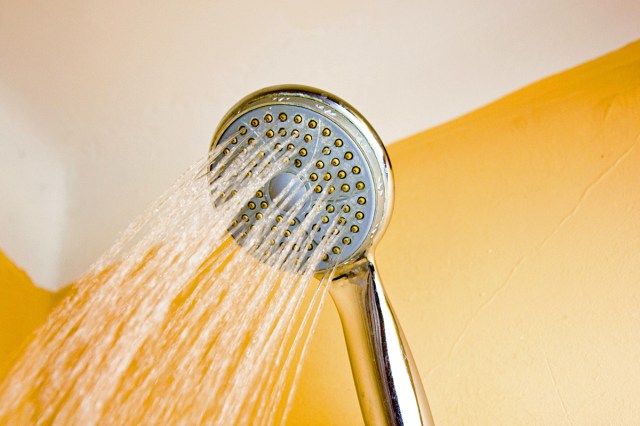
The more you use a showerhead, the more mineral deposits build up and clog the holes. This could prevent water from getting through, leading you to believe something is wrong with the pressure. In reality, it’s probably just a bunch of gunk obstructing the flow of water, which is an easy problem to fix.

What You’ll Need

Distilled white vinegar

Leakproof plastic bag to fit over showerhead

Rubber bands

Take a leakproof plastic bag, such as a gallon-sized Ziploc, and fill it about a third of the way with distilled white vinegar. (The amount of vinegar needed ultimately depends on the size of your showerhead.) Next, place the bag over the showerhead, ensuring that the holes are fully submerged in the vinegar. Use a rubber band to tightly secure the bag around the neck of the showerhead.

Advertisement

At this point, you’re going to want to let the showerhead soak in vinegar, which should break down the mineral deposits for easy cleaning. However, soak times vary depending on the type of showerhead you have. If the fixture is coated with gold, brass, chrome, or nickel, only let it soak for 30 minutes max, or you risk damaging the finish. If your showerhead is made of a more durable material, such as stainless steel, then allow the vinegar to soak for at least an hour, or even overnight if you prefer.

Once the vinegar has had time to work, take the bag off the showerhead and run hot water on full blast. This should help dislodge any broken-down mineral deposits. Lastly, turn the water off and wipe away any remaining gunk with a clean rag or spare toothbrush — just not the one you use to brush your teeth.

Related: 8 Things You Should Never Store in Your Bathroom

If you follow these steps, you should notice a more potent stream of water than before, without needing any tools or complicated replacements. Now all you have to do is take a nice, warm shower and bask in the success of your accomplishments.

Advertisement
Bennett Kleinman
Staff Writer
Bennett Kleinman is a New York City-based staff writer for Optimism Media, covering topics for several brands including House Outlook and Better Report. He previously contributed to television programs such as "Late Show With David Letterman" and "Impractical Jokers," and digital publications like The Onion. Bennett is also a devoted New York Yankees and New Jersey Devils fan, and thinks plain seltzer is the best drink ever invented.
This article is for general informational purposes only.
Affiliate Disclaimer 
|
Financial Disclaimer
Featured Image Credit:  bin kontan/ iStock | Updated  Apr 28, 2025 |
Advertisement
Organizing 3m read
0

This Hack Doubles Your Closet Space Instantly

Much like buried treasure or the television remote, adequate closet space can be hard to find. This is especially true in smaller apartments, though even people with spacious walk-in closets often manage to fill every inch of the hanging rod. If you’ve decluttered and stored out-of-season clothing, but space is still tight, we have a clever solution. This hack will double your closet space in the blink of an eye, and it involves an item that can be purchased at any gas station or supermarket.

All featured products and deals are selected independently and objectively by the author. House Outlook may receive a share of sales via affiliate links in content.

Much like buried treasure or the television remote, adequate closet space can be hard to find. This is especially true in smaller apartments, though even people with spacious walk-in closets often manage to fill every inch of the hanging rod. If you’ve decluttered and stored out-of-season clothing, but space is still tight, we have a…

Things Go Better With Coke

The key to this hack is a can of Coke or your favorite soft drink. But you can dump (or drink) the sugary contents — you’ll just be using the tab from the can itself. Alternatively, you can forgo buying soda cans entirely and purchase loose tabs in bulk, which will likely save you money. Finally, grab some clothing hangers, and get ready to start maximizing your closet space.

The logic here is to utilize vertical storage space, since a closet rod can only fit so many hangers. Chances are, there’s a lot of unused space beneath it anyway. Simply snap the tab off the can and slide the neck of one clothing hanger through the top slot. Then, hook a second hanger onto the bottom slot of the tab.

Related: This Jean-Hanging Hack Will Make Your Closet Look Like a Boutique

With the two hangers connected, you can hang the top one on the closet rod while the other dangles beneath it. This allows you to hang twice as many items using the same rod space. In fact, you can add more soda tabs to connect as many as three or four hangers — just be careful not to add too much weight and risk breaking the closet rod.

Advertisement

Keep Outfits Together

In addition to saving space in an otherwise cramped closet, this trick is useful for keeping multiple components of the same outfit together. Let’s say you own a blazer and a dress shirt that look really good together — hang them on separate hangers and join them with a soda tab. This allows you to plan out outfits and keep them together, saving you the effort of searching for individual components.

Once you’re done rearranging your closet, it may finally be time to enjoy that refreshing can of soda — you’ve earned it.

Advertisement
Bennett Kleinman
Staff Writer
Bennett Kleinman is a New York City-based staff writer for Optimism Media, covering topics for several brands including House Outlook and Better Report. He previously contributed to television programs such as "Late Show With David Letterman" and "Impractical Jokers," and digital publications like The Onion. Bennett is also a devoted New York Yankees and New Jersey Devils fan, and thinks plain seltzer is the best drink ever invented.
This article is for general informational purposes only.
Affiliate Disclaimer 
|
Financial Disclaimer
Featured Image Credit:  Zoie Griffin/ House Outlook Photo Editor | Updated  Apr 28, 2025 |
Advertisement
Food & Drink 6m read
0

When You Should Toss Old Spices

“Is it time to throw this out?” is a question we’ve all asked ourselves on garbage day eve while examining a questionable food item. Discarding groceries you’ve paid for is painful, but some foods are outright dangerous if they’re past their prime.

All featured products and deals are selected independently and objectively by the author. House Outlook may receive a share of sales via affiliate links in content.

“Is it time to throw this out?” is a question we’ve all asked ourselves on garbage day eve while examining a questionable food item. Discarding groceries you’ve paid for is painful, but some foods are outright dangerous if they’re past their prime.

As a trained chef and former food safety instructor, I’ll start by saying that nothing in your spice rack is going to make you sick just because it’s old. So the question of “How long do spices last?” is more about your budget and palate than actual food safety. Ultimately, the decision to replace them is yours to make.

Do Spices Expire?

Credit: FujiCraft/ iStock

If you pick a jar from your spice rack at random, you’ll probably see a date printed somewhere on the label or cap. To be clear, that’s not an expiration date. That’s a “best before” or “use by” date, which tells you how long the manufacturer expects the product to retain its best quality.

So what kind of shelf life do spices actually have? That depends on several factors, including how you store your spices, which I’ll address shortly. But let’s begin with some general guidelines:

1. Ground spices fade more quickly than whole spices.

2. Ground herbs fade more quickly than unground herbs.

3. Some herbs and spices hold their flavor better than others.

4. Herb and spice mixtures are unpredictable because of my previous point.

Advertisement

How Long Do Spices Last?

Credit: Ekaterina Lutokhina/ iStock

With that out of the way, what are the actual recommended storage times for herbs, spices, and extracts?

Whole spices: 3 to 4 years

Ground spices: 2 to 4 years

Ground dry herbs: 1 to 2 years

Unground dry herbs: 2 to 3 years 

Seasoning blends: 1 to 2 years

Flavoring extracts: 2 to 3 years

Salt: Unlimited

Related: 12 Things You Shouldn’t Store Near Your Cooktop

To understand how and why spices last as long as they do, it’s important to consider a few key factors. First, oxidation (exposure to the air) damages most flavor molecules. That’s why sealed jars and resealable pouches are commonly used to package them. Second, grinding spices and herbs increases the amount of surface area exposed to oxygen. Third, many flavor molecules are volatile to begin with and fade rapidly after the spice or herb is ground.

If you love to cook or bake, there’s a strong case to be made for buying your herbs and spices whole. Each category listed above has a minimum and a maximum shelf life, but the unground version always outlasts the ground version, assuming they’re being stored the same way.

Advertisement

How To Store Spices and Herbs

Credit: Aafia/ Adobe Stock

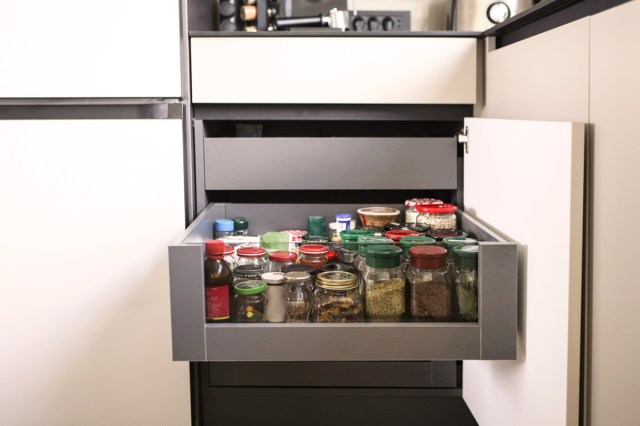
That brings us to my next point. One of the biggest determinants of how long your spices will last is how they’re stored. Many of us, myself included, have a spice rack next to the stove for cooking and baking, but this convenience comes at a cost to the quality of the spices. Why is that?

Well, here are a few things that can cause your spices to degrade more quickly: 

• Direct light

• Heat

• Moisture

Your spices are guaranteed to encounter most, if not all, of these conditions when stored next to the stove. In my own kitchen, I have a wire rack for frequently used spices mounted to the wall, away from sunlight and the heat and steam of the stove and dishwasher. I use up those herbs and spices pretty quickly.

The rest of my spice and herb collection lives in my pantry, in a motley mixture of spice jars, wire bail jars, Mason jars, and resealable pouches. They’re separated into small bins with lids for added protection. Each bin holds spices, herbs, and extracts that I typically use together (e.g., warm baking spices), but feel free to devise your own organizing system. The most important thing is to store your spices in a place that’s dark, dry, well ventilated, and relatively cool (a combination that helps many foods last longer).

Advertisement

What To Consider When Decluttering Your Spice Rack

Credit: GoodLifeStudio/ iStock

It’s the moment of truth: You’re standing in front of your spice collection, wondering what to keep and what to toss. First, I look for anything that’s really old, unidentifiable, or visibly faded (paprika should be vividly red, turmeric should be boldly yellow, etc). Next, I read the packaging dates. If they’re near or past their dates, I’ll open the bottle or pouch and do a “sniff test.” If the scent is faint, the flavor likely is too.

Some of my fellow chefs will tell you to toss anything older than six months, but I find that to be wasteful and a strain on my budget. If I’m uncertain whether a spice is still good, I’ll heat a pinch in a dry pan and smell it. If it’s still aromatic, I’ll keep it. (Bonus tip: Toasting a spice that’s a bit past its prime will liven it up and restore some of the flavor.)

Related: These Pantry Items Are Probably Past Their Prime

I buy spices whole whenever possible, and dry many of my own herbs from the garden. The minor inconvenience of grinding spices is a trade-off I accept for fresher flavors, and I also have the right tools for the job.

Basic spice grinders are relatively inexpensive; I have a blade-type coffee grinder that I use most of the time. A mortar and pestle set is the classic tool, and I have (and use) a couple of those, too. In a pinch, you can use the bottom of a heavy pot or cast-iron skillet to crush them on a cutting board. Additionally, some spices, such as whole nutmeg and cinnamon sticks, can be grated using a grate plate or microplane.

Deciding when to toss a given spice or herb is ultimately a judgment call. As long as it still tastes good to you, feel free to give your grocery budget a break.

Advertisement
Fred Decker
Writer
Fred Decker is a trained chef and former restaurateur. Since closing his restaurants over a decade ago he has been a prolific freelance writer, publishing several thousand articles on dozens of high-volume websites including Taste Of Home, Hunker, Tasting Table, Week&, eHow, and GOBankingRates. He lives on a rural acreage shared with a big garden, chickens, rabbits, and grandkids.
This article is for general informational purposes only.
Affiliate Disclaimer 
|
Financial Disclaimer
Featured Image Credit:  Aafia/ Adobe Stock | Updated  Apr 23, 2025 |
Advertisement
Home Improvement 6m read
0

10 Items Causing Your Electricity Bill To Skyrocket

If your last electric bill was unexpectedly high but you haven’t been running your appliances or keeping your lights on more than usual, you might want to take a look around your house. We’ve rounded up 10 items that commonly cause energy bills to add up, so you can address the problem, save money, and live more sustainably.

All featured products and deals are selected independently and objectively by the author. House Outlook may receive a share of sales via affiliate links in content.

If your last electric bill was unexpectedly high but you haven’t been running your appliances or keeping your lights on more than usual, you might want to take a look around your house. We’ve rounded up 10 items that commonly cause energy bills to add up, so you can address the problem, save money, and…

1. Refrigerator

Your refrigerator runs 24/7, consuming a considerable amount of electricity. We don’t recommend unplugging your fridge to save money, but if you have an older model, consider upgrading to something more energy efficient. Energy consumption in modern refrigerators is a fraction of what it was in the 1970s — typically 25% or less — so you may want to rethink that outdated “drink fridge” in the garage. Other ways to make sure your fridge is running efficiently include cleaning the condenser coils, keeping the temperature set to the manufacturer’s recommendation, and avoiding overstocking it.

Credit: Kevin Malik/ Pexels via Getty Images
Related: Little Changes To Help You Save Money on Household Expenses

2. HVAC

Heating and air conditioning is the single biggest user of energy in a household, and generally accounts for over half of an energy bill. We recommend waiting as long as possible to turn on your heating or cooling for the season, then use energy-saving measures to keep your bill as low as possible. Investing in a smart thermostat allows you to set a schedule according to your daily routines, adjust the temperature remotely, and monitor your energy usage. Some models, such as the Google Nest Learning Thermostat, can even detect when you’re home or away and adjust the temperature accordingly.

Credit: Lazy_Bear/ iStock
Advertisement

3. Water Heater

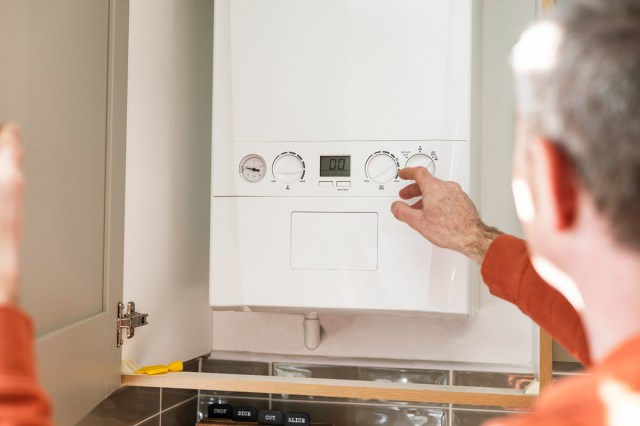
Water heaters work more than you might think — generally around three to five hours per day. You can limit the use of yours by setting the thermostat temperature to 120 degrees Fahrenheit (or lower if you can handle it), and using cold water to wash your clothes. If you have an energy-efficient dishwasher, you can reduce water and energy consumption by using it over handwashing your dishes. If you have to or prefer to hand-wash, fill your sink basin with a few inches of warm, soapy water and turn off the faucet while scrubbing dishes to keep costs down.

Credit: SolStock/ iStock

4. Chargers

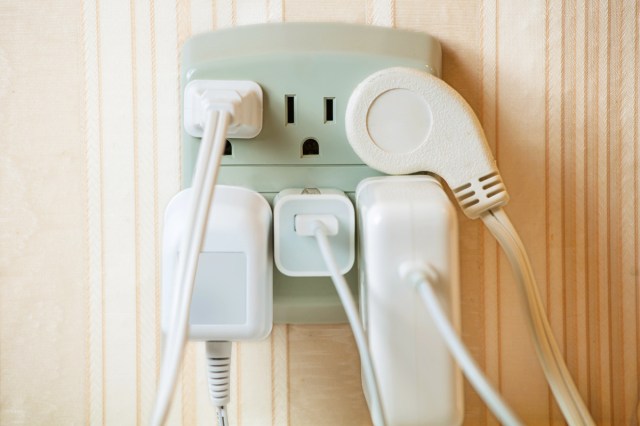
These aren’t going to set your energy bill over the top, but they do draw power even when they’re not in use. If you’re not actively charging a device, unplug your charger from the outlet to save — every bit counts.

Credit: Mustafa Kaya/ iStock
Advertisement

5. Outdated Lightbulbs

Older lightbulbs, especially incandescent bulbs, can add unnecessary costs to your bill. Why? Because old lightbulbs actually give off more heat than light. This excess heat can cause your HVAC system to work harder. Update your lightbulbs to more efficient options whenever possible. LED lights are the most energy efficient on the market, using around 90% less energy than older types of lighting. You don’t have to settle for harsh, bright-white lighting, either; there are plenty of LED options that emit a soft, comforting glow, just like the bulbs of yesteryear.

Credit: Oleg Podiuk/ iStock

6. Television

Televisions use between 50 and 200 watts of electricity per hour when they’re on. Older models, such as CRT and OLED models, run on the higher end of that spectrum, and plasma TVs can go up to 300 watts. If you’re ready to switch, look for LED or LCD televisions to help you save money on your electricity bill.

Credit: Home Decor Interiors/ Pexels
Advertisement

7. Laptops and Computers

A laptop or home computer isn’t a major energy drain. Laptops usually consume around 30 to 70 watts per hour when in use, while desktop computers draw 70 to 250 watts per hour. Most people don’t use their devices for only an hour, though, especially if they work from home or use them to stream shows or movies. Shut off or put your computer in sleep mode when you’re not using it to save power for the next time.

Credit: Daan Stevens/ Pexels
Related: A Seasonal Thermostat Guide for Maximum Comfort and Savings

8. Washer/Dryer

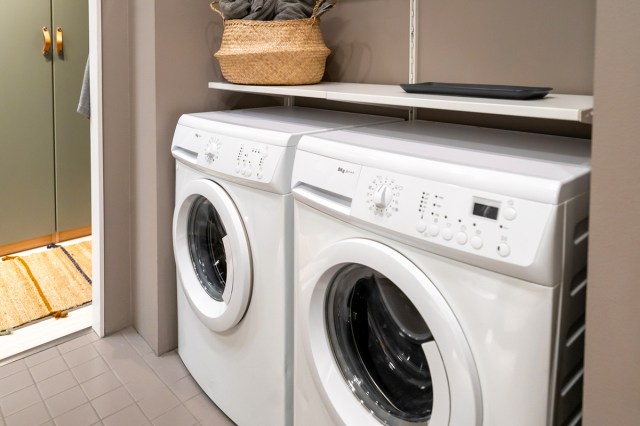
To save energy with your washer and dryer, always run full loads. Wash most items in cold water, line dry when and where possible (a drying rack near a heating vent is a great way to save during the winter months), and use tricks like adding a dry bath towel to a wet load in the dryer.

Credit: Hiroko Yoshida/ iStock
Advertisement

9. Oven

Electric ovens use a lot of electricity — between 2,000 and 5,000 watts per hour, on average. We’d never tell anyone to stop cooking at home, but get creative when you can. Not only do air fryers cook faster, but they also use about half the total energy of a wall oven. Alternatively, you could use a slow cooker or electric pressure cooker to reduce power consumption at mealtime. Gas ovens hardly use any electricity, but will, of course, use gas to run, so if that’s cheaper in your area, you might want to consider a gas appliance over an electric one.

Credit: brizmaker/ iStock

10. Vampire Devices

They’re not as scary as they sound, but vampire devices can quietly inflate your energy bill. Similar to unused chargers, some appliances can suck up electricity just from being plugged in. Common culprits include coffee makers, TVs, printers, gaming consoles, microwaves, and more. Unplugging these vampire devices after use can make your home more energy-efficient.

If you prefer to keep your low-wattage devices plugged in and ready to use, consider purchasing a smart power strip to limit outlet usage. However, you should avoid using power strips for high-powered appliances such as coffee makers, microwaves, toasters, and space heaters due to the risk of overheating and fire.

Credit: Vasil Dimitrov/ iStock

If you’re not ready or able to replace large appliances or even small fixtures around your house, don’t worry — you can still save money by adopting good habits. Turn off the lights when you’re not in the room, insulate your windows (thermal curtains can go a long way), and take advantage of off-peak hours when making slow-cooked meals in the oven, taking a bath, or doing laundry.

Advertisement
Krissy Howard
Writer
Krissy Howard is a New Mexico-based writer. Her work has appeared in Byrdie, Hunker, and Simplemost, and she is the former managing editor of music satire website, The Hard Times.
This article is for general informational purposes only.
Affiliate Disclaimer 
|
Financial Disclaimer
Featured Image Credit:  Bill Oxford/ iStock | Updated  Apr 23, 2025 |
Advertisement
Food & Drink 3m read
0

You’re Storing Lemons Wrong

There’s a lot to love about lemons and other citrus fruits. Their juice and zest brighten everything from seafood and sauces to cocktails and cakes, and even their fresh scent can give your spirits a lift. They’re pretty, too, which is why a bowl of lemons is a staple prop in well-staged kitchen photos. That bowl isn’t necessarily the best way to store lemons, though — at least not if you want them to last a long time.

All featured products and deals are selected independently and objectively by the author. House Outlook may receive a share of sales via affiliate links in content.

There’s a lot to love about lemons and other citrus fruits. Their juice and zest brighten everything from seafood and sauces to cocktails and cakes, and even their fresh scent can give your spirits a lift. They’re pretty, too, which is why a bowl of lemons is a staple prop in well-staged kitchen photos. That…

How To Store Lemons

The question of storage really boils down to how many lemons you buy at a time, and how long you want to keep them. If you only ever buy a few at a time and use them up quickly, long-term storage isn’t really an issue. That’s why chefs seldom refrigerate citrus fruits; they keep well at room temperature, and that frees up valuable refrigerator space for more perishable items.

However, if you want to keep your lemons fresh for as long as possible, refrigeration is the best storage method.

Related: An All-Natural Cleaning Hack for a Spotless Microwave

With grocery prices being what they are, a great deal on a big bag of lemons is worth taking advantage of. When you bring them home, you can certainly leave a couple out in your countertop fruit bowl. But unless you have plans to use them right away — say, by immediately making several batches of lemon-flavored desserts — the rest should go straight into the fridge, sealed in a plastic bag.

The plastic bag protects your fruit from the dry air of a self-defrosting fridge, but still leaves enough air inside for the fruit to “respire,” meaning air and moisture can pass through its skin. As long as you’re diligent about keeping the bag closed, your lemons should last for up to a month this way.

Advertisement

More Lemon Storage Tips

• If you bought more lemons than you can reasonably use, consider juicing them and freezing the liquid. It will keep for several months in the freezer, as long as it’s stored in airtight packaging.

• You will get more juice from room-temperature lemons than cold ones, so take them out ahead of time or warm them briefly in the microwave.

• Lemon zest is a versatile ingredient, used in everything from baking to cocktails, so don’t waste it. Before you juice a lemon, remove the thin outer layer of peel with a fine grater or peeler, and dry or freeze the zest for later use.

Advertisement
Fred Decker
Writer
Fred Decker is a trained chef and former restaurateur. Since closing his restaurants over a decade ago he has been a prolific freelance writer, publishing several thousand articles on dozens of high-volume websites including Taste Of Home, Hunker, Tasting Table, Week&, eHow, and GOBankingRates. He lives on a rural acreage shared with a big garden, chickens, rabbits, and grandkids.
This article is for general informational purposes only.
Affiliate Disclaimer 
|
Financial Disclaimer
Featured Image Credit:  Shurong Lo/ iStock | Updated  Apr 23, 2025 |
Advertisement
Organizing 4m read
0

Tips and Tricks for Storing Seasonal Clothing

Storing seasonal clothing is one of the best ways to free up valuable closet space and keep your most-worn items easily accessible. But throwing your out-of-season clothes into trash bags and stashing them in the garage or the depths of your closet isn’t an effective way to organize them.

All featured products and deals are selected independently and objectively by the author. House Outlook may receive a share of sales via affiliate links in content.

Storing seasonal clothing is one of the best ways to free up valuable closet space and keep your most-worn items easily accessible. But throwing your out-of-season clothes into trash bags and stashing them in the garage or the depths of your closet isn’t an effective way to organize them.

With a few tips and tricks, you can clear out last season’s items and know exactly where everything is when the weather changes. Plus, you can declutter beforehand, so you won’t face the same donation pile again next season.

Ahead, we share our go-to methods for decluttering and storing seasonal clothing.  

3 Things To Consider Before You Store Clothing for the Season 

Credit: Annie Spratt/ Unsplash+

Donate Unwanted Items

Donating unwanted items before storing seasonal clothing is an important first step. Your future self will appreciate the effort, and you won’t waste precious storage space on items you don’t plan to wear next season. To stay organized and make things more efficient, create separate piles for donations, hand-me-downs, and clothing recycling.

Remove Stains and Repair Damage

Once you’ve identified what you’re keeping, go through your items and check for rips, holes, stains, and other common clothing woes. Use a stain remover before laundering to get rid of spots caused by spills and other mishaps, and set aside anything that needs mending to be taken to the tailor.

Related: Why You Should Have Two Different Laundry Hampers

Shop for Specific Solutions

After your unwanted items are donated, your stains are removed, and your clothing is repaired, take a look at what you plan to store and find specific solutions for those items to keep everything organized. While most garments can live comfortably in storage totes or moving bags, it might be worth adding item-specific solutions, such as a garment bag for coat storage and seasonal shoe storage boxes, to your arsenal. Some of our other seasonal-storage favorites include this oversized hat storage bag and this set of winter boot protectors.

Advertisement

How To Organize Seasonal Clothes

Credit: Daryna Pyrig/ iStock

Place Like Items Together

Create piles for each category when storing your clothing for the season. This strategy helps you streamline your storage space by grouping like items, such as sweaters or tank tops, and makes it easier to label your bins for future identification.

Label Everything

Adding tags or labels to your storage solutions can help you keep track of out-of-season clothing items while they’re stowed away. This is especially helpful if you use identical storage containers for other items, such as holiday decor. That way, you’ll avoid wasting time rummaging through every container to find what you need when it’s time for next season’s clothes to make their way back to your wardrobe.

Advertisement

Keep Seasonal Clothing Together

If you have a larger storage area, such as a garage or storage unit, designate a specific section for seasonal clothing. Whether in bins or bags, keeping your stored items in one corner makes seasonal wardrobe swaps infinitely easier.

Find Stackable Solutions

Stackable storage solutions, such as containers with lids, can also be useful when packing away clothing. This isn’t always possible (especially if you use garment bags for coats and other uniquely shaped solutions), but having most of your clothing in stackable containers can help you maximize your space, whether you’re stowing everything in a garage, attic, storage unit, or closet.

Related: Why You Should Be Using Baby Hangers

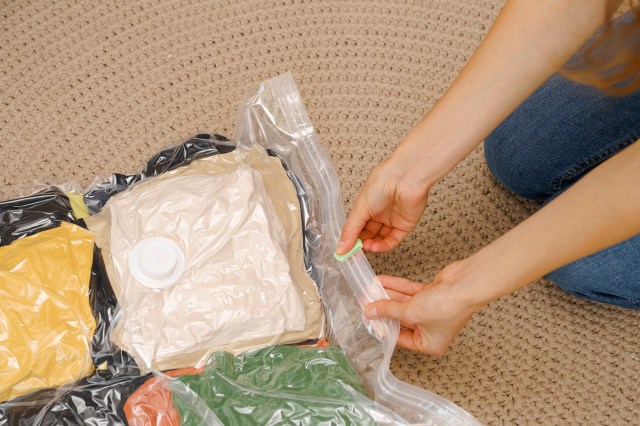
Maximize Space With Vacuum Seal Bags

Winter clothing is bulky and often takes up a lot more space than spring and summer garments. If you don’t want to add an extra bin or two to your storage setup, vacuum seal bags can help you make the most of every square inch.

Advertisement
Jessie Quinn
Writer
Jessie Quinn is a Los Angeles-based lifestyle journalist with words published in PEOPLE, StyleCaster, Apartment Therapy, The Spruce, Byrdie, and more. She has a Bachelor's Degree in fashion journalism from Academy of Art University and her work spans across many categories, including style, beauty, home, health, crafts, and more.
This article is for general informational purposes only.
Affiliate Disclaimer 
|
Financial Disclaimer
Featured Image Credit:  bymuratdeniz/ iStock | Updated  Apr 23, 2025 |
Advertisement
Food & Drink 3m read
0

Why You Should Bring an Orange Into the Shower With You

You’ve heard of hanging dried eucalyptus in your shower for a spa-like feel. But have you considered eating an orange while showering to stimulate the same senses? It sounds strange, but “shower oranges” are going viral, and for good reason. They’re a quirky life hack that some people swear by as a surprisingly satisfying self-care ritual.

All featured products and deals are selected independently and objectively by the author. House Outlook may receive a share of sales via affiliate links in content.

You’ve heard of hanging dried eucalyptus in your shower for a spa-like feel. But have you considered eating an orange while showering to stimulate the same senses? It sounds strange, but “shower oranges” are going viral, and for good reason. They’re a quirky life hack that some people swear by as a surprisingly satisfying self-care…

Why would you want to peel and eat an orange in the shower? The benefits go beyond an extra dose of vitamin C.

The Citrus Smell Is Invigorating

Citrus scents are known for their mood-boosting and stress-relieving effects — just what you need when getting ready in the morning or winding down at night. When you peel an orange in a steamy shower, the heat releases essential oils from the zest into the air. This creates a natural, refreshing aromatherapy session. It’s a powerful, zesty burst of freshness that wakes up your senses far better than synthetic scents.

It’s Less Messy

Peeling and eating an orange can be a sticky mess. That’s one reason why the “orange peel theory” went viral on TikTok. The idea is this: You ask a partner to peel an orange for you, and if they respond positively, it indicates a healthy relationship, since they’re happy to perform a mildly annoying act of service.

When you peel an orange, juice squirts in all directions and strings of pith pile up. But in the shower? No mess. Pith and juice wash down the drain, and the peels can be stacked on the shower ledge. Afterward, you can either toss the peels or sprinkle them in your garden to ward off pests. So long, sticky fingers!

Advertisement

It Doubles as a Mini Mindfulness Moment

Shower oranges activate all the senses. Each sensory detail — the relaxing smell of citrus, the soft, rhythmic cascade of water, the feel of the peel — pulls you into the present moment, making for a perfect time to slow down, savor each bite, and set an intention for the day (or night) ahead. It’s an opportunity to enjoy one of life’s simple pleasures.

Related: Save This Kitchen Scrap for Pest-Free Plants

You’ll Feel Like a Kid Again

Eating an orange in the shower is admittedly silly. It feels like breaking a rule, yet it’s harmless and wholesome — a welcome reprieve from the everyday duties of adulthood. Not only will your bathroom smell like a citrus grove, but your mood will be lightened too. You have nothing to lose by trying a shower orange, except any stress you step into the shower with.

Bonus Tip

Chill your orange in the refrigerator for 30 minutes before hopping in the shower. If you forget to plan ahead, a few minutes in the freezer works too. The contrast between the cold fruit and warm water makes the experience all the more refreshing.

Advertisement
Megan McCarty
Writer
Megan McCarty is a Los Angeles-based writer who covers the fun stuff: design, travel, wellness, beauty, and fashion. She has written for publications including Domino, The Spruce, MyDomaine, Bustle, and Rue Magazine. Her life rules include, but are not limited to, zipper when merging, contribute to your IRA, and do the nice thing.
This article is for general informational purposes only.
Affiliate Disclaimer 
|
Financial Disclaimer
Featured Image Credit:  Peter Blottman Photography/ iStock | Updated  Apr 23, 2025 |
Advertisement
Gardening 3m read
0

You’ll Never Pot a Plant Without This Trick Again

Plant parenting isn’t always easy, but whether you’re more of a houseplant person or a container gardener, a few tips and tricks can result in happy, healthy, and thriving foliage.

All featured products and deals are selected independently and objectively by the author. House Outlook may receive a share of sales via affiliate links in content.

Plant parenting isn’t always easy, but whether you’re more of a houseplant person or a container gardener, a few tips and tricks can result in happy, healthy, and thriving foliage.

Every potted plant needs a nice home with a little room to grow, soil to help it establish and strengthen its roots, a consistent watering schedule to keep its leaves nice and lush, and some fertilizer to support growth and overall health. Although this sounds simple in theory, our busy lives can get in the way of our at-home horticulture, and we can easily end up with parched plants that look a bit desperate for our affection.

To help plants withstand occasional neglect, take a proactive approach when potting (or repotting) and consider how to set them up for a healthy life. Choosing the right soil for the plant variety helps — and is certainly encouraged — but there’s a surprising item hidden in your pantry that can make the difference between dry dirt and well-watered soil.

How To Prevent Soil From Drying Out

A consistent watering schedule based on your plants’ preferences is the best way to prevent soil from drying out. However, when travel or life in general gets in the way, try this hack: Place a coffee filter at the base of your plant pot, covering the drainage hole, and then add your soil and plant. This tiny trick has a big impact, preventing soil loss and supporting moisture retention.

Advertisement

Since the coffee filter is designed to allow water to pass through it, you can use it to create a barrier between the soil and drainage hole while encouraging excess water to drain out. This can support even water distribution around the plant’s roots, helping to keep everything well hydrated without getting soggy and creating an inviting environment for root rot.

Related: This Is the Best Way To Dust Delicate Plant Leaves

If sticking to a watering schedule is the trickiest part of plant parenthood for you, try adding a plant globe to your pot, such as these basic clear plant watering globes, this cute collection of self-watering glass plant stakes, or this unique glass crystal self-watering bulb. A terra-cotta olla pot, such as this one from Back to the Roots, can also help ensure your plant doesn’t get too thirsty.

Advertisement
Jessie Quinn
Writer
Jessie Quinn is a Los Angeles-based lifestyle journalist with words published in PEOPLE, StyleCaster, Apartment Therapy, The Spruce, Byrdie, and more. She has a Bachelor's Degree in fashion journalism from Academy of Art University and her work spans across many categories, including style, beauty, home, health, crafts, and more.
This article is for general informational purposes only.
Affiliate Disclaimer 
|
Financial Disclaimer
Featured Image Credit:  Unsplash+ via Getty Images | Updated  Apr 22, 2025 |