Advertisement
Food & Drink 3m read
0

The Meat-Freezing Hack That Saves Time and Storage Space

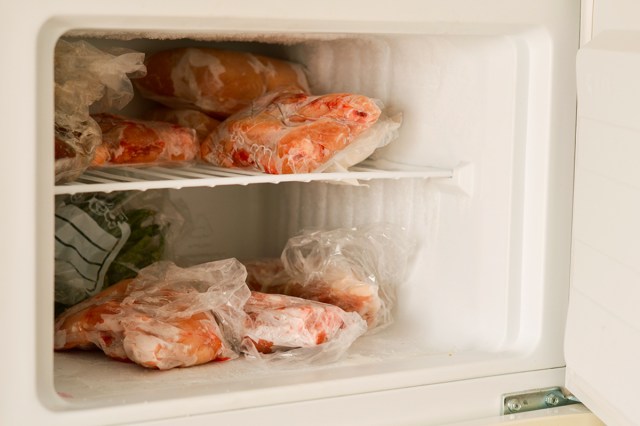
Most of us don’t have as much storage space as we’d like, and that’s especially true when it comes to our freezers. Stocking up on staples such as ground beef or sausage whenever they’re on sale can help you stretch your budget, but only if you have somewhere to store them until needed. That’s why this hack for freezing meat is so effective: It saves space and time.

All featured products and deals are selected independently and objectively by the author. House Outlook may receive a share of sales via affiliate links in content.

Most of us don’t have as much storage space as we’d like, and that’s especially true when it comes to our freezers. Stocking up on staples such as ground beef or sausage whenever they’re on sale can help you stretch your budget, but only if you have somewhere to store them until needed. That’s why…

A Simple Hack for Freezing Meat

The next time you buy any kind of ground meat or poultry, try this hack. It’s quick and easy, and you’ll wonder why you haven’t been doing it all along. First, remove the meat from its original packaging (plastic wrap over a tray isn’t ideal for freezing anyway). Place the meat in a heavy-duty, zipper-seal freezer bag. Half-seal the bag, leaving one side open for air to escape. Then, use the side of a wine bottle (or a rolling pin) to roll it flat, squeezing out the air as you go. When you’re done, fully seal the bag.

Related: The Best Costco Finds To Stock Your Freezer With

So, what’s the big deal? Well, this technique actually does a lot for you. First, by squeezing out the air and pressing the bag to the meat, you’re protecting against deterioration and freezer burn (it’s almost as good as vacuum sealing). Second, your meat will freeze faster, which is beneficial for both food safety and preserving quality. Third, your meat will take up less space in the freezer, so you can pack more in. And finally, thawing meat becomes much faster due to the increased surface area.

Advertisement

A Couple of Extra Tips

Want to make it easy to organize and find your flat-packed meats in the freezer? Grab an inexpensive storage container that’s wide enough for the bags and fits your freezer. A magazine file or mail organizer works great for this — just make sure it’s made of plastic or metal. Once the bags are frozen flat, stand them upright in the container. This allows you to easily flip through them and quickly find what you’re looking for.

Don’t stop with meats — this hack also works wonderfully for pureed or mashed vegetables and fruit (think baked winter squash or overripe bananas already mashed and measured for use in recipes). You can also puree fresh herbs in a blender or food processor with a little bit of oil and freeze them flat in smaller bags. When you’re cooking, simply break off a piece, throw it in the pan, and return the rest to your freezer. 

Advertisement
Fred Decker
Writer
Fred Decker is a trained chef and former restaurateur. Since closing his restaurants over a decade ago he has been a prolific freelance writer, publishing several thousand articles on dozens of high-volume websites including Taste Of Home, Hunker, Tasting Table, Week&, eHow, and GOBankingRates. He lives on a rural acreage shared with a big garden, chickens, rabbits, and grandkids.
This article is for general informational purposes only.
Affiliate Disclaimer 
|
Financial Disclaimer
Featured Image Credit:  Elena Csernik/ iStock | Updated  May 23, 2025 |
Advertisement
Decorating 2m read
0

Create a Whole Home Color Palette That Looks Expertly Designed

Interior designers have a secret weapon when it comes to creating cohesive color palettes in homes. Fortunately, you don’t have to be part of an insiders-only club to access their totally free design tool. Take it from TikTok creator Claire Faulkner of @thatcotswaldclaire. To nail a professional-looking color scheme throughout your entire home — room to room, from paint to furnishings to decor — she says all you need to do is take a trip to your local paint store.

Interior designers have a secret weapon when it comes to creating cohesive color palettes in homes. Fortunately, you don’t have to be part of an insiders-only club to access their totally free design tool. Take it from TikTok creator Claire Faulkner of @thatcotswaldclaire. To nail a professional-looking color scheme throughout your entire home — room to…

Paint chips are arranged in vertical columns, with the lightest shade at the top and darkest at the bottom. While many people gravitate toward individual swatches that catch their eye — one blue here, another gray there — the real trick, Claire says, is shopping shades horizontally.

How To Solve Color Palette Conundrums

Using the paint supplier’s store displays or take-home brochures, select five to seven colors on the same horizontal line. These hues will always work together, as they’ve been carefully chosen by the paint company’s experts using the science of the color wheel. No need to worry about undertones or intensities; this method allows you to create a whole-home color scheme with minimal effort and maximum payoff.

Related: Try This Hack Before Committing to a Paint Color

Among your five to seven colors, two or three should be used as paint colors for your walls, ceiling, and trim. The other shades can be represented through large decor items, such as rugs, bedding, and bed frames. Color shy? Save your brightest, boldest shade for small accent pieces, be they lamps or throw pillows.

Advertisement

By following this simple horizontal color selection method, you’ll create a professional-looking palette and a home that feels cohesive, not chaotic.

Bonus Tip

Not sure where to start? Use something you already own (and love) as a jumping-off point. Say your living room is anchored with a statement sofa. Find the closest matching paint chip, then work across the color row horizontally to build your whole home’s color palette.

Advertisement
Megan McCarty
Writer
Megan McCarty is a Los Angeles-based writer who covers the fun stuff: design, travel, wellness, beauty, and fashion. She has written for publications including Domino, The Spruce, MyDomaine, Bustle, and Rue Magazine. Her life rules include, but are not limited to, zipper when merging, contribute to your IRA, and do the nice thing.
This article is for general informational purposes only.
Affiliate Disclaimer 
|
Financial Disclaimer
Featured Image Credit:  fizkes/ iStock | Updated  May 20, 2025 |
Advertisement
Home Improvement 3m read
0

Revive Dull Wood Furniture Without Refinishing It

Solid wood furniture can elevate any space, but it usually requires some upkeep. If you’ve slacked on conditioning your wood table and chairs — or you found an amazing wood furniture piece at a local thrift store that could use some love — you don’t have to sand or restain it to achieve that good-as-new finish. HOWARD Restor-A-Finish is something of an open secret among antique dealers and furniture flippers who use it to erase light scratches, sun fading, water marks, heat rings, smoke damage, and other blemishes from wood surfaces. This product costs less than $10 and delivers the look of a full-on restoration without any of the effort.

All featured products and deals are selected independently and objectively by the author. House Outlook may receive a share of sales via affiliate links in content.

Solid wood furniture can elevate any space, but it usually requires some upkeep. If you’ve slacked on conditioning your wood table and chairs — or you found an amazing wood furniture piece at a local thrift store that could use some love — you don’t have to sand or restain it to achieve that good-as-new…

Bring Wood Finishes Back to Life

According to TikTok creator and interiors consultant Maggie Wilkerson (aka Collected Home), a little bit of Restor-A-Finish can work like magic on wood furniture. That’s why antique dealers swear by it for reviving old wood tables without all of the sanding and staining that typically goes into restoring these pieces.

Similar to wood stain, the restoration formula comes in eight different colors, including neutral, to match various types of wood finishes. If you aren’t able to find a perfect match, opt for a slightly lighter finish — you can always go darker later if needed. Since it’s not a stain, the surface restorer shouldn’t be used to darken or change the color of the finish.

Related: Make Weathered Teak Outdoor Furniture Look Brand-New

Restor-A-Finish is primarily intended as a cosmetic fix and should only be used on finished wood surfaces, such as those with shellac or lacquer. If you’re planning to fully refinish the piece in the future, you may want to avoid this product, as it creates a barrier that makes removal, sanding, and restaining more challenging.

Advertisement

How To Apply Restor-A-Finish

Before you begin, clean the wood surface thoroughly. Create a solution of equal parts water and distilled white vinegar, lightly mist the surface using a spray bottle, and wipe it away with a clean microfiber cloth. Wilkerson recommends applying Restor-A-Finish with a soft cloth or ultra-fine steel wool (her go-to method). Steel wool is especially effective on stubborn spots, but remember to rub with the wood grain.

To prevent staining, do not pour Restor-A-Finish directly onto furniture. Work in small sections, applying the Restor-A-Finish to your cloth or steel wool and then rubbing it into the wood. Immediately wipe away any excess with another clean microfiber cloth. Allow it to dry for at least 30 minutes. While this step is entirely optional, Wilkerson finishes her projects with a coat of HOWARD Feed-N-Wax to add moisture and polish. It helps maintain the wood’s natural grain and provides a protective coating.

While not a miracle cure, Restor-A-Finish offers an easy way to improve the look of wood furniture, cabinets, and trim if you’re not the type of DIYer to break out an electric sander. Those working with valuable antiques, seeking to change the color of the finish, or dealing with significant damage may want to refinish the piece themselves or turn to a professional for help.

Advertisement
Jessie Quinn
Writer
Jessie Quinn is a Los Angeles-based lifestyle journalist with words published in PEOPLE, StyleCaster, Apartment Therapy, The Spruce, Byrdie, and more. She has a Bachelor's Degree in fashion journalism from Academy of Art University and her work spans across many categories, including style, beauty, home, health, crafts, and more.
This article is for general informational purposes only.
Affiliate Disclaimer 
|
Financial Disclaimer
Featured Image Credit:  golfloi17/ iStock | Updated  May 20, 2025 |
Advertisement
Food & Drink 2m read
0

This Common Kitchen Item Prevents Spills Without a Funnel

It doesn’t matter how steady your hand is; pouring liquid without the use of a funnel often leaves behind a mess. So much of a mess that sometimes you end up with more liquid on the counter than in the container. Even the times when you think to yourself, “I got this,” you likely don’t — at least not without help.

All featured products and deals are selected independently and objectively by the author. House Outlook may receive a share of sales via affiliate links in content.

It doesn’t matter how steady your hand is; pouring liquid without the use of a funnel often leaves behind a mess. So much of a mess that sometimes you end up with more liquid on the counter than in the container. Even the times when you think to yourself, “I got this,” you likely don’t…

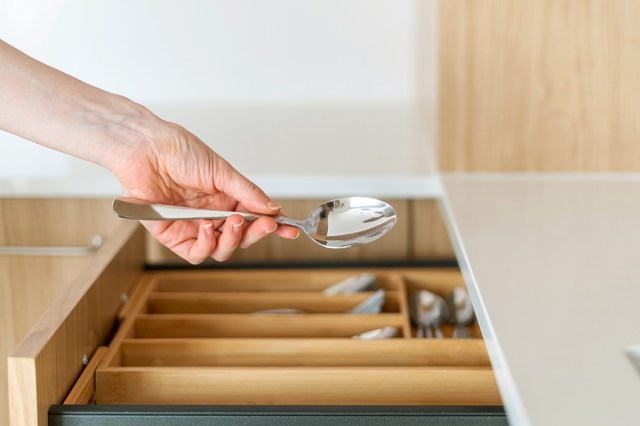
But there’s a very simple hack that will save you the trouble of wiping up constant spills on your countertop. All you need is an item from your silverware drawer.

Spill-Free Pouring

If you don’t own a funnel, or the one you have isn’t the right size, use a spoon to easily guide liquid into a container. Here’s how it’s done: Place a dinner spoon (the kind you use for eating, not serving) handle-side down into the opening of a jar. Take the vessel holding the liquid (whether it’s a cup, bowl, or something else), and rest the edge of it against the backside of the spoon as you pour the liquid. The liquid will follow the spoon’s curve, flowing down the stem and directly into the other container with no mess.

Related: A Mess-Free Way To Measure Sticky Ingredients

Perfect for Restaurants

This spoon trick is especially helpful when you’re at a restaurant and struggling to pour creamer into your coffee cup.

Advertisement

Hold the spoon over your coffee cup with its curved back facing upward. Place the edge of the creamer container against this curve and slowly pour. The spoon will funnel the coffee creamer right into your cup. This keeps the saucer and table clean, and it might even make you feel a little fancy. Plus, it’s a fun trick to teach friends or dinner companions, especially after they have attempted to pour a liquid without success.

This easy trick works for any type of liquid, and, if done with care, prevents spills every time.

Advertisement
Jill Layton
Writer
Jill Layton started writing professionally when she realized her emails and texts were kinda funny. She’s an affiliate shopping writer and lifestyle contributor for Scary Mommy, Bustle, Mic, and Best Products. She’s the mom of two alarmingly witty kids and the world’s most perfect dog.
This article is for general informational purposes only.
Affiliate Disclaimer 
|
Financial Disclaimer
Featured Image Credit:  brizmaker/ iStock | Updated  May 20, 2025 |
Advertisement
Cleaning 3m read
0

Clean Scorched Baking Sheets With Just Two Ingredients

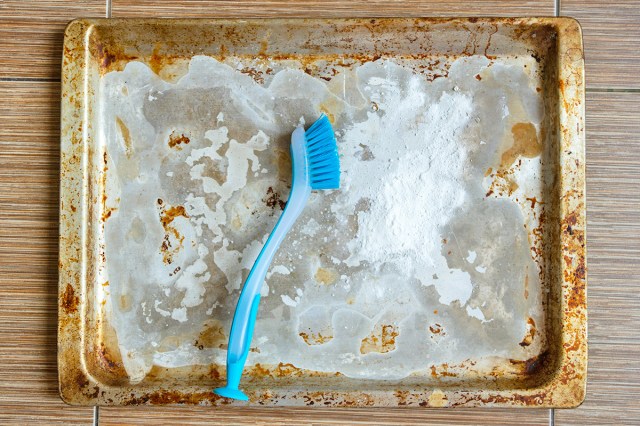
A baking sheet is an essential piece of cookware that every kitchen should have. You can use it for a variety of tasks, including baking cookies, roasting vegetables, and arranging ingredients for mise en place. But as a kitchen workhorse, it won’t look new forever. With consistent use, you’re bound to get some buildup or scorching from burnt food or high heat. But don’t throw it away just yet. There’s an easy way to clean baking sheets, and it requires two ingredients you likely already have at home: baking soda and hydrogen peroxide.

All featured products and deals are selected independently and objectively by the author. House Outlook may receive a share of sales via affiliate links in content.

A baking sheet is an essential piece of cookware that every kitchen should have. You can use it for a variety of tasks, including baking cookies, roasting vegetables, and arranging ingredients for mise en place. But as a kitchen workhorse, it won’t look new forever. With consistent use, you’re bound to get some buildup or…

What You’ll Need

Baking soda

Hydrogen peroxide

Plastic scraper

Scrubbing sponge

How To Clean Baking Sheets

When soap and water aren’t doing the trick, one of the easiest ways to deep clean a baking sheet is using baking soda and hydrogen peroxide.

It’s best to do this in your sink, bathtub, or plastic dish tub to make cleanup easier. First, take your baking soda and sprinkle it generously on the pan until the entire surface is covered. Second, carefully pour hydrogen peroxide over the baking sheet, enough for it to form a thick paste. Use your fingers or a dish brush to disperse the paste, coating the baking sheet evenly.

You might notice some fizzing or bubbling, but this is just oxygen being released as the baking soda and hydrogen peroxide react. Let it sit overnight, or at least eight hours, and the paste will work its magic to help loosen and lift any buildup and marks.

When the time is up, use a plastic scraper to remove the residue and toss the gunk in the trash can. If you don’t have a scraper, you can use a ball of aluminum foil to scrub away any remnants on aluminum or steel baking sheets. However, you should avoid using aluminum foil on nonstick surfaces, as it may damage the coating.

Advertisement

Next, wash the sheet pan with warm water and soap. If you’re dealing with stubborn buildup and scorching, use a scrubbing sponge. While some elbow grease might be needed for tough spots, the results are well worth the effort.

Related: How a Chef Removes Stubborn Stains From Wooden Cutting Boards
Give It a Test Run First

If you want to be extra cautious and see how your sheet pan will react to this hack, conduct a spot test on the back of the sheet pan first. We recommend using a 3% concentration of hydrogen peroxide, as it’s gentler on surfaces yet effective for cleaning purposes.

Advertisement
Pauline Lacsamana
Writer
Pauline Lacsamana is a freelance writer and editor who specializes in commerce, home, design, and lifestyle. She has bylines in The Spruce, Business Insider, U.S. News & World Report, Hunker, MyDomaine, Parade, and more.
This article is for general informational purposes only.
Affiliate Disclaimer 
|
Financial Disclaimer
Featured Image Credit:  polya_olya/ Adobe Stock | Updated  May 19, 2025 |
Advertisement
Cleaning 2m read
0

A Powerful Ant Spray With Just Two Nontoxic Ingredients

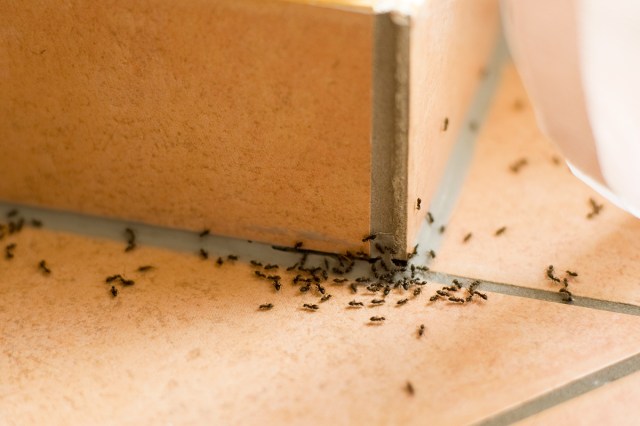
While many common ant species don’t cause any physical damage to homes, they’re unsightly, contaminate food, and just plain annoying. It isn’t unusual to spot trails of ants indoors, but since they’re unwanted guests, it’s important to get rid of them before they become a bigger problem.

All featured products and deals are selected independently and objectively by the author. House Outlook may receive a share of sales via affiliate links in content.

While many common ant species don’t cause any physical damage to homes, they’re unsightly, contaminate food, and just plain annoying. It isn’t unusual to spot trails of ants indoors, but since they’re unwanted guests, it’s important to get rid of them before they become a bigger problem.

To eliminate ants from inside your house, you should first try to follow the trail to see where they’re coming from. Head to the other end, and if you find their food source, thoroughly clean the area and seal the entry point. If that isn’t possible or doesn’t work, you’ll need to move on to an ant spray.

An Effective, Nontoxic Ant Spray

If you want to avoid using chemicals inside your home to kill the ants, try this nontoxic DIY solution made with common household ingredients. All you need is dish soap, water, and a spray bottle.

Related: A Fresh-Smelling Way To Keep Wasps at Bay

To create this powerful concoction, mix 2 ounces (4 tablespoons) of liquid dish soap and 32 ounces (4 cups) of water in a spray bottle. Use it to spray and remove the pheromone trail left behind by the ants. It also kills them on contact as the soap breaks down their exoskeletons.

Advertisement

What Is a Pheromone Trail?

Ants communicate with their colonies using pheromone trails. Scouting ants secrete pheromones that other ants detect with their sensory organs. The trail often leads to a food source where the worker ants can find nourishment, or retrieve food to take to the queen and other ants who don’t leave the nest.

Advertisement
Jill Layton
Writer
Jill Layton started writing professionally when she realized her emails and texts were kinda funny. She’s an affiliate shopping writer and lifestyle contributor for Scary Mommy, Bustle, Mic, and Best Products. She’s the mom of two alarmingly witty kids and the world’s most perfect dog.
This article is for general informational purposes only.
Affiliate Disclaimer 
|
Financial Disclaimer
Featured Image Credit:  DZM/ iStock | Updated  May 19, 2025 |
Advertisement
Food & Drink 3m read
0

How To Get the Most Juice From a Lemon

Whether blended into hummus, squeezed over fish, or stirred into a glass of water for a vitamin C boost, lemon juice adds brightness to a variety of dishes. But juicing lemons can be tedious and even frustrating, particularly if a stray droplet gets in your eye. That’s where this hack comes in. It makes the task quick and easy with just a few seconds and a common household appliance.

All featured products and deals are selected independently and objectively by the author. House Outlook may receive a share of sales via affiliate links in content.

Whether blended into hummus, squeezed over fish, or stirred into a glass of water for a vitamin C boost, lemon juice adds brightness to a variety of dishes. But juicing lemons can be tedious and even frustrating, particularly if a stray droplet gets in your eye. That’s where this hack comes in. It makes the…

Microwaving for the Most Juice

If you have a recipe that calls for lemon juice, microwaving the fruit for several seconds can help you squeeze out the most liquid. To do this, grab your lemons, put them on a plate, and microwave on high for 10 to 20 seconds. We recommend starting with 10 seconds, especially if you’re only warming up one lemon. You may need to add a bit more time for larger quantities. The warmed-up lemon should feel slightly softer, but not mushy.

Related: An All-Natural Cleaning Hack for a Spotless Microwave

Once that’s done, allow the lemon to cool enough to handle. Cut the fruit in half and use your citrus juicer to press the juice out as usual. This trick works for both room-temperature and refrigerated lemons, but you may need to add a few more seconds to your timer if the lemons are cold.

Bonus Tip

You can keep lemons fresh for up to a month by refrigerating them in a sealed plastic bag. This helps prevent the fruit from drying out in a self-defrosting refrigerator, while still allowing it to breathe, so air and moisture can pass through its skin.

Advertisement

Juicing Other Citrus

Good news — this hack isn’t limited to lemons. You can use it to extract more juice from any citrus fruit you have on hand, including oranges, grapefruit, limes, pomelo, clementines, mandarins, and more. Just follow the same steps listed above, adding a few more seconds to the microwave timer for larger fruits such as grapefruit or pomelo.

How To Soften a Lemon Without a Microwave

If you don’t have a microwave or prefer not to use one for softening citrus, don’t fret. You can achieve a similar effect by rolling it on a hard surface. Simply place the fruit on a flat surface, such as a cutting board or countertop, cover it with your palm, and roll it back and forth for several seconds while applying gentle pressure. This helps break down the internal membranes or juice sacs, softens the peel for easier squeezing, and loosens the pulp so you get more juice with less effort.

Advertisement
Krissy Howard
Writer
Krissy Howard is a New Mexico-based writer. Her work has appeared in Byrdie, Hunker, and Simplemost, and she is the former managing editor of music satire website, The Hard Times.
This article is for general informational purposes only.
Affiliate Disclaimer 
|
Financial Disclaimer
Featured Image Credit:  Photography Firm/ iStock | Updated  May 19, 2025 |
Advertisement
Cleaning 3m read
0

Use This Unexpected Item To Clean a Gunky Can Opener

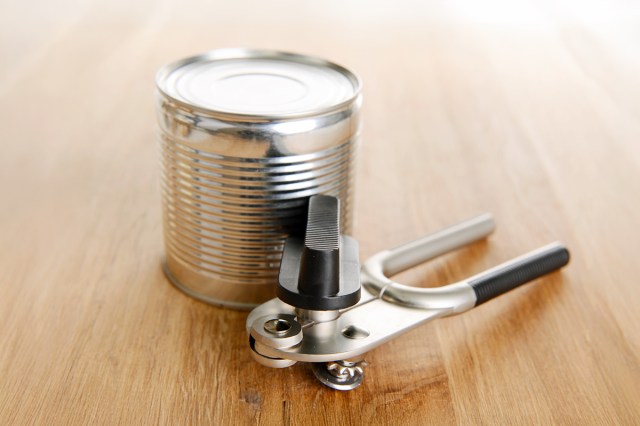
Has your can opener seen better days? After opening cans of tuna, tomatoes, beans, soups, condensed milk, and everything else, the blade and gear of a can opener can get gunked up pretty fast. Fortunately, there’s a quick fix for that, and it involves an item you probably have plenty of in a kitchen drawer.

All featured products and deals are selected independently and objectively by the author. House Outlook may receive a share of sales via affiliate links in content.

Has your can opener seen better days? After opening cans of tuna, tomatoes, beans, soups, condensed milk, and everything else, the blade and gear of a can opener can get gunked up pretty fast. Fortunately, there’s a quick fix for that, and it involves an item you probably have plenty of in a kitchen drawer.

Say Goodbye to Gunk

If it’s been a while since you last cleaned your can opener (or if you’ve never cleaned it at all), you can dislodge those caked-on bits of food using a sheet of wax paper. You don’t need much — just a few inches to cover the can opener blade. Tear off a piece that’s about 4 to 6 inches wide. Fold it in half, then fold it in half again in the other direction to create a thick pad. All you have to do now is pinch your can opener down on the wax paper as you would any can and roll it over the paper. Do this several times on both sides of the folded wax paper for best results.

Related: How a Chef Removes Stubborn Stains From Wooden Cutting Boards

You’ll see crud, food buildup, and gunk transfer onto the paper as you run the tool over it. Not only does this trick clean your can opener, but the wax also lubricates the gear, keeping it running smoothly.

Bonus Tip

If you don’t have any wax paper, you can use the same cleaning method with a paper towel or parchment paper, although they won’t provide any slip to improve the can opener’s operation.

Advertisement

How To Deep-Clean Your Can Opener

While wax paper will help loosen dried-on food residue, it’s no substitute for regular cleanings. To sanitize your can opener, take a clean dish towel or microfiber cloth and soak it in warm, soapy water. Run the towel over the gears and cutting mechanism to easily remove any residue. You can also use a scrub brush and dish soap to dislodge bigger pieces of food or get rid of buildup. However you choose to wash your can opener, be sure to let it dry thoroughly to prevent rusting. First, dry it with a towel, then leave it out in a dish rack overnight with the handles open for optimal airflow.

Advertisement
Krissy Howard
Writer
Krissy Howard is a New Mexico-based writer. Her work has appeared in Byrdie, Hunker, and Simplemost, and she is the former managing editor of music satire website, The Hard Times.
This article is for general informational purposes only.
Affiliate Disclaimer 
|
Financial Disclaimer
Featured Image Credit:  Africa Studio/ Adobe Stock | Updated  May 16, 2025 |
Advertisement
Home Improvement 3m read
0

A Simple Hack To Check the Level of Your Propane Tank

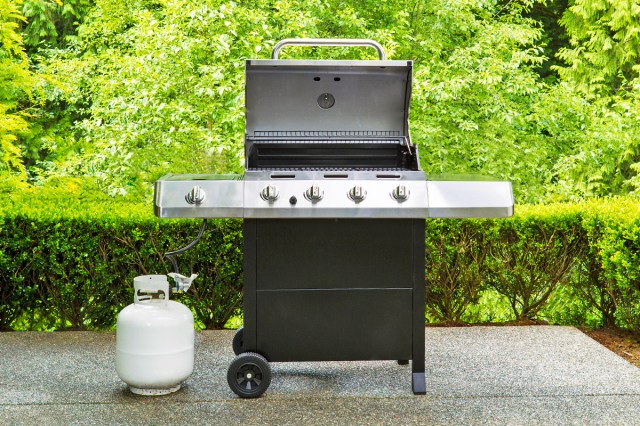
Propane tanks always seem to sputter out at the most inopportune times. Just imagine you’re trying to fire up the grill for a barbecue when you realize the tank is empty, leaving all of your guests hungry as a result. (That is, unless they want to chow down on some raw meat — yuck.)

All featured products and deals are selected independently and objectively by the author. House Outlook may receive a share of sales via affiliate links in content.

Propane tanks always seem to sputter out at the most inopportune times. Just imagine you’re trying to fire up the grill for a barbecue when you realize the tank is empty, leaving all of your guests hungry as a result. (That is, unless they want to chow down on some raw meat — yuck.)

We have a helpful hack to ensure you’re never caught off guard by an empty propane tank again. Checking the levels couldn’t be easier, and no, you don’t need a special gauge. All you have to do is grab a cup of warm water. Here’s how it works.

How To Check Your Levels

A typical 20-pound propane tank lasts up to 20 hours for most grills, but let’s be honest — who keeps track of their usage? In order to estimate how much propane is left, TikTok creator @brunchwithbabs comes to us with an excellent solution.

Related: A Better, Safer Way To Clean Your Grill (No Wire Brush!)

Pour a glass of warm water down the outside of the tank, then run your hand from top to bottom. Areas where the water still feels warm indicate that the tank is empty there. However, if you notice the water feels colder toward the bottom, that means there’s still some propane inside. Propane absorbs heat and leaves water cool to the touch, so you can use this trick to determine how full the tank currently is.

In other words, if the water stays warm all the way down, the tank is empty. But if the water feels cold from top to bottom, the tank is full. If the upper half of the tank feels warm and the bottom half feels cold, you can estimate that you have about 10 hours of grilling time left (assuming you’re using a standard 20-pound tank).

Advertisement

What Should You Do With Empty Tanks?

Take your empty propane tank to wherever propane is sold, such as a hardware store, supermarket, or gas station. They can either refill it for you (which is usually cheaper and less wasteful) or swap it out for a new full tank. You can also bring old tanks to a local scrap metal dealer for recycling. Or search for a nearby household hazardous waste collection facility. Do not attempt to discard propane tanks in your regular trash or recycling, as they can cause fires or explosions.

This home hack is part of Summer Spruce Up Week — seven days packed with ideas to get you ready for the season ahead. We’ll be sharing our best tips for stress-free grilling, memorable outdoor gatherings, and thriving summer gardens.

Advertisement
Bennett Kleinman
Staff Writer
Bennett Kleinman is a New York City-based staff writer for Optimism Media, covering topics for several brands including House Outlook and Better Report. He previously contributed to television programs such as "Late Show With David Letterman" and "Impractical Jokers," and digital publications like The Onion. Bennett is also a devoted New York Yankees and New Jersey Devils fan, and thinks plain seltzer is the best drink ever invented.
This article is for general informational purposes only.
Affiliate Disclaimer 
|
Financial Disclaimer
Featured Image Credit:  tab62/ Adobe Stock | Updated  May 12, 2025 |
Advertisement
Food & Drink 3m read
0

The Easiest Way To Cook Corn on the Cob for a Crowd

Corn on the cob is a summertime staple, and if you have a big crowd to feed, cooking a lot of it at once can feel daunting. If you don’t have several burners to run, or a few stockpots lying around your kitchen, you’ll need to get creative, too.

All featured products and deals are selected independently and objectively by the author. House Outlook may receive a share of sales via affiliate links in content.

Corn on the cob is a summertime staple, and if you have a big crowd to feed, cooking a lot of it at once can feel daunting. If you don’t have several burners to run, or a few stockpots lying around your kitchen, you’ll need to get creative, too.

Fortunately, we found an a-maize-ing corn on the cob hack that you can use to cook a dozen or more ears at once. All you’ll need is a large cooler and 30 minutes.

How To Cook Perfect Corn on the Cob in a Cooler

We picked up this helpful trick from TikTok creator @bds_6, who shared a video detailing how he cooks heaps of corn for big family outings and backyard barbecues. To start, you’ll need a large, hard-sided cooler, such as this one from Amazon, which has a 60-quart capacity. Make sure the cooler is clean, then drop your shucked ears of corn inside.

Related: This Hack Guarantees Cold Drinks and a Dry Cooler

On your stovetop, use whatever pots you have to boil enough water to cover the corn. A general rule of thumb is to use 1 quart of water per ear of corn. Bring the water to a boil, then carefully carry it over to the cooler and pour it over the corn. The ears should be submerged, so be sure to boil enough water. Once the corn is bobbing around in there, close the lid of the cooler — this will trap the steam from the boiling water and cook the corn quickly.

After about 30 minutes, pop open the lid, and use a long pair of tongs to remove the cooked corn, transferring the ears to a serving tray or large pot. Allow the water in the cooler to cool completely before dumping it out.

Advertisement

Cut Corn From the Cob, the Easy Way

If you need to cut kernels from the cob to sprinkle on a salad or form into fritters, this hack will help you do it with less mess. Avoid standing the corncob upright on your cutting board when removing the kernels — if you do, you’ll be finding strays around the kitchen for days. Instead, once the cooked corncob has cooled enough to handle, snap it in half. Take one half and lay it flat on your cutting board. Using a sharp chef’s knife, carefully slice downward along one side of the cob, keeping the blade close to the core. Rotate the corncob and repeat this motion until it’s bare. You’ll be left with rows of stuck-together kernels that are easy to break apart with your fingers.

This home hack is part of Summer Spruce Up Week — seven days packed with ideas to get you ready for the season ahead. We’ll be sharing our best tips for stress-free grilling, memorable outdoor gatherings, and thriving summer gardens.

Advertisement
Krissy Howard
Writer
Krissy Howard is a New Mexico-based writer. Her work has appeared in Byrdie, Hunker, and Simplemost, and she is the former managing editor of music satire website, The Hard Times.
This article is for general informational purposes only.
Affiliate Disclaimer 
|
Financial Disclaimer
Featured Image Credit:  anupan001/ iStock | Updated  May 9, 2025 |