Advertisement
Home Improvement 2m read
0

A Natural Solution to Wood Scratches

There’s something so timeless about wood floors and furniture. Maybe it’s their distinctive grain patterns, naturally warm hues, or decorative versatility. In any case, while wood surfaces are durable and fairly easy to maintain, they’re still prone to occasional scratches, whether from moving furniture or a pet’s sharp claws. Luckily for us, nuts are a natural and simple solution to reviving wood floors and furniture — and they’re a healthy snack, too.

All featured products and deals are selected independently and objectively by the author. House Outlook may receive a share of sales via affiliate links in content.

There’s something so timeless about wood floors and furniture. Maybe it’s their distinctive grain patterns, naturally warm hues, or decorative versatility. In any case, while wood surfaces are durable and fairly easy to maintain, they’re still prone to occasional scratches, whether from moving furniture or a pet’s sharp claws. Luckily for us, nuts are a…

Go Nuts on Wood Scratches

You can repair minor scratches on wood using the meat of walnuts, pecans, and macadamias — basically any nut that’s rich in natural oils. First, clean the wood surface thoroughly using a microfiber cloth and suitable cleaning spray, or a solution of warm water and a few drops of dish soap.

Related: Remove Water Stains From Wood Furniture With This One Ingredient

Once the floor or furniture item is clean, take the nut of your choice and gently rub it over the scratch, working from multiple angles. Let it sit for a few minutes, so the oil from the nut soaks into the scratch, then buff the area with a clean, dry microfiber cloth. This should conceal the scratch and make the wood surface look like new.

Advertisement

How It Works

What appears to be a magic trick is, in fact, simply nature at work. Rubbing walnuts, pecans, or macadamias on scratches fills the indentations with natural oils from the nuts.

Before you run off to the pantry, though, know that there are a few limitations to this hack. Using nuts to fix wood is best for surface-level scratches and lighter wood finishes. If you’re dealing with a deep scratch, the nut oils alone may not completely fill it, and you may need a specialized wood filler. The same goes for scratches in high-traffic areas of the home. Since those spots get more use, the oils may wear away faster, requiring occasional touch-ups. As for dark wood, the lighter color of the nut oil may not blend as well.

Advertisement
Pauline Lacsamana
Writer
Pauline Lacsamana is a freelance writer and editor who specializes in commerce, home, design, and lifestyle. She has bylines in The Spruce, Business Insider, U.S. News & World Report, Hunker, MyDomaine, Parade, and more.
This article is for general informational purposes only.
Affiliate Disclaimer 
|
Financial Disclaimer
Featured Image Credit:  Levent Konuk/ Shutterstock | Updated  Jan 14, 2025 |
Advertisement
Cleaning 3m read
0

The Best Way To Clean Your Mattress

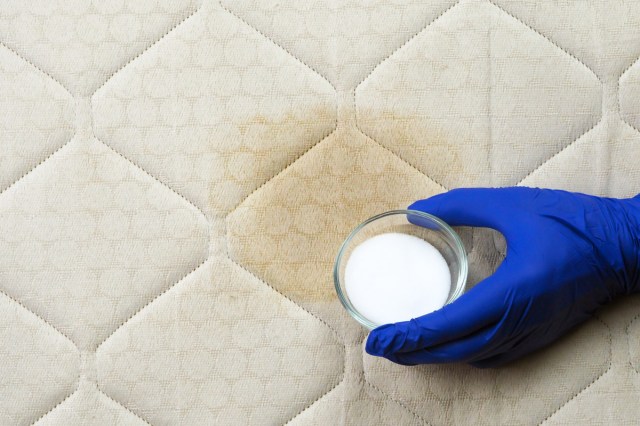
You don’t have to wait for spring to refresh your home and tackle some of the not-so-fun projects you’ve been putting off. If cleaning your mattress is on your to-do list, rest assured that it’s actually a lot easier than it seems. All you need is a cup of baking soda and a few drops of essential oils to freshen up your mattress.

All featured products and deals are selected independently and objectively by the author. House Outlook may receive a share of sales via affiliate links in content.

You don’t have to wait for spring to refresh your home and tackle some of the not-so-fun projects you’ve been putting off. If cleaning your mattress is on your to-do list, rest assured that it’s actually a lot easier than it seems. All you need is a cup of baking soda and a few drops…

It’s easy to forget about deodorizing your mattress, even during a top-to-bottom cleaning of your bedroom. But giving your bed a refresh every six months can help extend the life of your mattress. A steam clean is one of the best ways to deep clean your mattress, but if you don’t have time for that (or your mattress isn’t in need of a spa day), there are still ways to clean it without getting it wet — and the best way might already be hiding in your pantry.

How To Clean Your Mattress With Baking Soda

TikTok creator Corinne Burghardt — aka Slay at Home Mother —  uses baking soda and essential oil. All you have to do is add one cup of baking soda to a container (Tupperware works great) with 10 drops of essential oil. You can choose any favorite essential oil scent, though if you want a fresh, clean scent, try a mix of lemon and clove, lavender and eucalyptus, or a premade blend such as Saje Refresh, doTERRA On Guard, NOW Clear the Air, or Young Living Thieves.

Advertisement

After mixing the essential oil drops into the baking soda, gently sprinkle the mixture across the top of your mattress and let it sit for one hour. Then, use an old or inexpensive vacuum to clean up the baking soda. This is important to note as we previously reported on the potential for baking soda to clog vacuum filters and reduce their performance.

Related: This Is the Secret to Fluffy, Luxury Hotel-Style Bedding

Baking soda offers several benefits: It absorbs moisture to prevent mold, mildew, and bacteria growth; it gets rid of bad smells by reacting with odor molecules; and its mildly abrasive texture loosens dust and dirt for easier vacuuming. Applying baking soda to your mattress twice a year can help reduce the buildup of sweat, body oils, and other impurities, making it a worthwhile addition to your cleaning schedule.

One Last Tip

Although baking soda is ineffective against allergens, regular vacuuming can help remove dust mites, mold spores, and pet dander from your mattress. Use a vacuum with a HEPA filter and the upholstery attachment for a damage-free deep clean.

Advertisement
Jessie Quinn
Writer
Jessie Quinn is a Los Angeles-based lifestyle journalist with words published in PEOPLE, StyleCaster, Apartment Therapy, The Spruce, Byrdie, and more. She has a Bachelor's Degree in fashion journalism from Academy of Art University and her work spans across many categories, including style, beauty, home, health, crafts, and more.
This article is for general informational purposes only.
Affiliate Disclaimer 
|
Financial Disclaimer
Featured Image Credit:  Nick Alias/ Shutterstock | Updated  Jan 10, 2025 |
Advertisement
Cleaning 2m read
0

How To Keep Your Toilet Brush Germ-Free

The culprit of one of the most common cleaning mistakes is likely lurking in your bathroom. Look to the side of your toilet. You found it: the toilet bowl brush.

All featured products and deals are selected independently and objectively by the author. House Outlook may receive a share of sales via affiliate links in content.

The culprit of one of the most common cleaning mistakes is likely lurking in your bathroom. Look to the side of your toilet. You found it: the toilet bowl brush.

Toilet brushes and their caddies are a common fixture in most bathrooms. What you may not realize is this seemingly benign brush can be the cause of germs, mold, and perhaps that mystery smell you’ve been trying to identify, too. It’s not just gross; it’s a potential health hazard.

Don’t throw your toilet brush away just yet, though — it’s crucial for a clean, sanitized toilet bowl. The problem arises if you’re storing a wet toilet brush in its caddy. That’s basically asking for bacteria growth and unpleasant odors, which thrive in moist environments.

Advertisement

How To Keep Your Toilet Brush Germ-Free

Imagine you’ve just cleaned your toilet and are wielding a wet toilet brush in your hand. If you can’t put it back in its holder yet, where should it go? It’s simple: Air-dry the brush by wedging the handle between the lowered seat and the rim of the toilet for at least an hour.

Related: Cleaning Your Mirrors This Way Will Prevent Bathroom Fog

Once it’s dry, you can return the brush to its container. This keeps bacteria at bay. It also helps you get more cleaning mileage out of your toilet brush. Plan to replace your toilet brush at least twice a year regardless.

How To Clean Your Toilet Brush

Your toilet needs to be cleaned regularly, and so does your toilet brush. (And no, a swirl through clean toilet water doesn’t cut it.) Be sure to wash your toilet brush at least once every couple of weeks. To do so, spray the brush head with 3% hydrogen peroxide, a powerful antibacterial disinfectant that helps eliminate odors. Let the brush sit for 10 minutes to allow the chemical to work, then rinse and air-dry it. Don’t forget to clean the brush holder too. So long, bacteria! 

Advertisement
Megan McCarty
Writer
Megan McCarty is a Los Angeles-based writer who covers the fun stuff: design, travel, wellness, beauty, and fashion. She has written for publications including Domino, The Spruce, MyDomaine, Bustle, and Rue Magazine. Her life rules include, but are not limited to, zipper when merging, contribute to your IRA, and do the nice thing.
This article is for general informational purposes only.
Affiliate Disclaimer 
|
Financial Disclaimer
Featured Image Credit:  Vitalii Stock/ Shutterstock | Updated  Jan 10, 2025 |
Advertisement
Food & Drink 3m read
0

How To Make Any Cheese Melt Like American Cheese

Like pineapple on pizza or Coke versus Pepsi, American cheese elicits strong opinions. Cheese snobs might turn up their noses at it, but many people enjoy an individually wrapped slice or two. Why? Well, mostly because of how it melts. Nothing else offers that same oozy, melty texture, and sometimes that’s exactly what you’re looking for. Sure, it’d be great if we could get, say, Swiss or Jack or even plain ol’ cheddar to melt the same way, but that’s just not how cheese works. Except … sometimes it is. It turns out, the ingredient that makes American cheese melt so beautifully can be added to other cheeses to achieve the same effect. Here’s how it works.

All featured products and deals are selected independently and objectively by the author. House Outlook may receive a share of sales via affiliate links in content.

Like pineapple on pizza or Coke versus Pepsi, American cheese elicits strong opinions. Cheese snobs might turn up their noses at it, but many people enjoy an individually wrapped slice or two. Why? Well, mostly because of how it melts. Nothing else offers that same oozy, melty texture, and sometimes that’s exactly what you’re looking…

Why American Cheese Is So Melty

American cheese begins as ordinary cheese. It’s typically made from a blend of cheeses, all of them with different melting qualities. Most cheeses melt, and some have a nice pull, but in sauces, they have a bad habit of becoming grainy or not mixing properly.

The ingredient that makes the difference is sodium citrate (or alternative salts in the same broad family). Without wading too far into the science of meltiness, sodium citrate helps loosen the bonds that hold the cheese’s protein molecules together. So if you love the gooeyness of American cheese but want more real cheese flavor, adding sodium citrate to other cheeses can make it happen. You don’t even have to buy it (though you can, here) to give it a try — you can make your own with pantry ingredients.

Advertisement

Melting Cheese With DIY Sodium Citrate

All you need to make sodium citrate is baking soda and some citric acid from a big-box store (look for it with the canning supplies, if you don’t already have it). Mix five parts baking soda with four parts citric acid, and you’re done. Dissolve the amount you need in a tablespoon or two of water or other liquid, and then add it to your shredded cheese as it melts. Just like that, you have almost-instant cheese sauce. You can add water, beer, wine, or other liquid ingredients, as needed, to get the specific flavor and texture you want. There’s no need to worry about the sodium citrate affecting the cheese’s flavor as it’s practically undetectable.

Related: This 2-Step Method for Reviving Stale Bread Works Like a Charm

You can tweak this hack to achieve any texture from very firm (think Velveeta) to thin and runny, depending on how much cheese, liquid, and citrate you use. There is some math involved, but you can use a handy online calculator like this one to dial in the right proportions.

Advertisement
Fred Decker
Writer
Fred Decker is a trained chef and former restaurateur. Since closing his restaurants over a decade ago he has been a prolific freelance writer, publishing several thousand articles on dozens of high-volume websites including Taste Of Home, Hunker, Tasting Table, Week&, eHow, and GOBankingRates. He lives on a rural acreage shared with a big garden, chickens, rabbits, and grandkids.
This article is for general informational purposes only.
Affiliate Disclaimer 
|
Financial Disclaimer
Featured Image Credit:  Polina Tankilevitch/ Pexels | Updated  Jan 6, 2025 |
Advertisement
Food & Drink 3m read
0

Use the “Upside-Down” Method for Cutting Bell Peppers

Professional chefs have two main priorities when it comes to vegetable prep. The first is to be fast, and the second is to keep waste to a minimum. With grocery bills being what they are, and most of us struggling to find enough hours in the day, those are sensible priorities for home cooks, too. If you haven’t tried it yet, the “upside-down trick” for cutting bell peppers is a perfect example of this approach. It’s quick and easy and produces virtually no waste.

All featured products and deals are selected independently and objectively by the author. House Outlook may receive a share of sales via affiliate links in content.

Professional chefs have two main priorities when it comes to vegetable prep. The first is to be fast, and the second is to keep waste to a minimum. With grocery bills being what they are, and most of us struggling to find enough hours in the day, those are sensible priorities for home cooks, too.…

How To Cut Bell Peppers

The best way to cut bell peppers starts with a simple step, though it’s not entirely obvious or intuitive. That step? Turn the bell pepper upside down. We don’t usually think of that because the stem keeps it from sitting upright on the cutting board. So, actually, the first step in this life-changing preparation method is to … cut off the stem.

With that done, here are the next steps:

1. Turn the bell pepper upside down on your cutting board. This way the broad top is on the bottom, so it’s nice and stable for cutting. 

2. Place your knife’s tip at the top of the pepper. 

3. Make a curving cut down one side of the pepper, following its natural contours with the blade and cutting as close to the core as possible. Here’s a helpful video tutorial for visual learners.

4. Repeat with the remaining sides.

By following the natural curve of the pepper, your knife will leave behind the membrane, the core, and the seeds clinging to it. Once you discard the core and seeds, you’re ready to slice or chop the neat, fleshy pepper pieces, and toss them into whatever recipe you’re working on.

Advertisement

How Else Can I Minimize Waste With Bell Peppers?

The upside-down method offers the best balance of speed and low waste, but there’s another hack you can try if you want to keep waste to an absolute minimum and don’t mind taking a little more time.

Related: How To Slice Grapes and Cherry Tomatoes in Seconds Flat

Locate the core in the middle of the pepper where the stem is. If you push hard on it with your thumb or the handle of the knife, it will pop right out. You can easily remove the core and then shake out any stray seeds. Now you have a perfectly hollow pepper, ready for slicing. You’ll still need to pull out the “ribs” of membrane as you go, but this technique yields the least amount of waste possible.

Advertisement
Fred Decker
Writer
Fred Decker is a trained chef and former restaurateur. Since closing his restaurants over a decade ago he has been a prolific freelance writer, publishing several thousand articles on dozens of high-volume websites including Taste Of Home, Hunker, Tasting Table, Week&, eHow, and GOBankingRates. He lives on a rural acreage shared with a big garden, chickens, rabbits, and grandkids.
This article is for general informational purposes only.
Affiliate Disclaimer 
|
Financial Disclaimer
Featured Image Credit:  100pk/ iStock | Updated  Dec 21, 2024 |
Advertisement
Cleaning 3m read
0

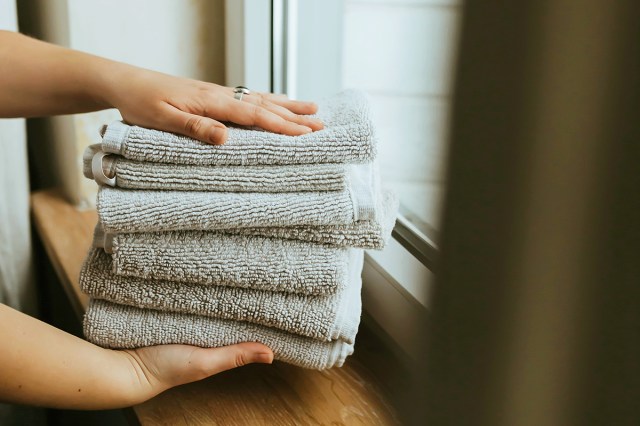
The Secret to Supersoft, Fluffy Towels

Few things feel better than stepping out of the shower and wrapping yourself in a soft, fluffy towel. But even if you buy the best, coziest towels, they can lose their softness over time, becoming stiff and rough, which results in a not-so-luxurious post-bathing experience.

All featured products and deals are selected independently and objectively by the author. House Outlook may receive a share of sales via affiliate links in content.

Few things feel better than stepping out of the shower and wrapping yourself in a soft, fluffy towel. But even if you buy the best, coziest towels, they can lose their softness over time, becoming stiff and rough, which results in a not-so-luxurious post-bathing experience.

Cotton towels feel the softest and perform as they should when the fibers can breathe. The buildup of residue from fabric softeners and dryer sheets, along with age and heat damage, can cause towels to become scratchy and less absorbent than when you first bought them.

Related: This Genius Laundry Hack Can Significantly Reduce Drying Time

There’s a hack, however, that makes even the dullest towels feel plush and brand-new again.

Advertisement

How To Get Your Towels Supersoft Again

Follow these simple steps to spruce up your towels in the washing machine.

Step 1: Load your washing machine with the towels that need refreshing. It doesn’t matter if they’re clean or dirty since softening is the ultimate goal. Avoid laundering the towels with other items or overloading your washing machine; the towels should have enough room to tumble freely during the cycle.

Step 2: Add laundry detergent as you normally would. Use the recommended amount, as adding too much can cause towels to stiffen. Never use a detergent containing bleach, as its reaction to vinegar produces dangerous chlorine gas.

Step 3: Add half a cup of baking soda directly into the rinse cycle. Baking soda helps to loosen fibers and remove grime, including old soap and mineral deposits.

Step 4: Instead of fabric softener, pour in half a cup of white vinegar. Vinegar naturally softens fabrics by removing residue buildup that makes towels feel rigid.

Step 5: Run the load with warm or hot water.

Step 6: When the cycle is complete, dry the towels on low to medium heat.

Advertisement

Other Tricks for Softening Your Towels

• Shake out wet towels before loading them into the dryer. This helps loosen the fibers while speeding up drying time.

• Throw in dryer balls or clean tennis balls to help fluff the towels during the drying cycle.

• Regularly clean your washing machine to remove detergent and fabric softener residue that can attach to the fabric and cause mold or mildew growth. 

• If you live in a region with hard water, use liquid detergent instead of powder because the minerals can prevent the powder from dissolving and lower its effectiveness.

Advertisement
Jill Layton
Writer
Jill Layton started writing professionally when she realized her emails and texts were kinda funny. She’s an affiliate shopping writer and lifestyle contributor for Scary Mommy, Bustle, Mic, and Best Products. She’s the mom of two alarmingly witty kids and the world’s most perfect dog.
This article is for general informational purposes only.
Affiliate Disclaimer 
|
Financial Disclaimer
Featured Image Credit:  Daiga Ellaby/ Unsplash+ | Updated  Dec 17, 2024 |
Advertisement
Food & Drink 3m read
0

How To Keep Brown Sugar From Clumping

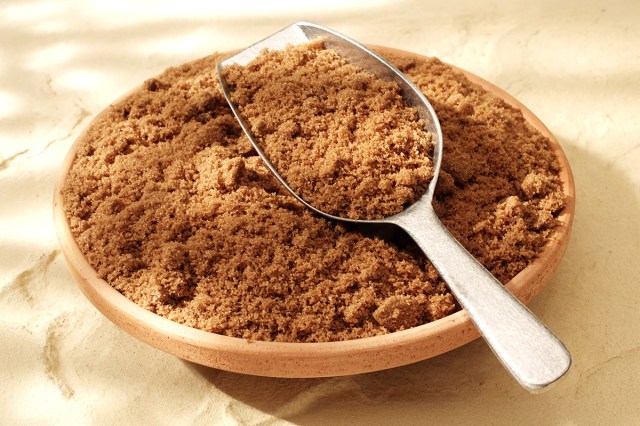
Brown sugar is a key ingredient in many cookie and cake recipes, but its consistency can make or break the entire baking experience. Whether you’re preparing a make-ahead dessert for a dinner party or have a sudden craving for something sweet, cracking open the brown sugar container and finding a brick that you have to chisel back into crystals is the worst. But, before you toss it in the bin and make a late-night grocery store run for another bag that will likely meet the same fate, try this hack for rehydrating hardened brown sugar and keeping it soft.

All featured products and deals are selected independently and objectively by the author. House Outlook may receive a share of sales via affiliate links in content.

Brown sugar is a key ingredient in many cookie and cake recipes, but its consistency can make or break the entire baking experience. Whether you’re preparing a make-ahead dessert for a dinner party or have a sudden craving for something sweet, cracking open the brown sugar container and finding a brick that you have to…

Why Does Brown Sugar Harden?

First, let’s look at what causes those bricks to form. The reason brown sugar hardens is a lack of moisture. Brown sugar is a mix of molasses and white sugar crystals, and the molasses’ moisture tends to evaporate quickly, especially when exposed to air. This results in a dry, rock-hard block that’s so frustrating when it comes time to make your favorite chocolate chip cookie recipe. 

Related: An Easy Trick To Revive Carrots That Have Gone Limp

How To Keep Brown Sugar Soft

Brown sugar is prone to hardening, but keeping it soft is not as impossible as it seems — and the solution might already be hiding amid your other baking supplies. To keep brown sugar from clumping (and save your wrists from having to chip away at the brick of hardened crystals), place two or three marshmallows in the container with the sugar. We know it sounds bizarre, but it really works.

Advertisement

Marshmallows are effective because they contain a lot of moisture that’s gradually released into the air when stored in an enclosed container. By placing marshmallows in a container with brown sugar, you can rehydrate the sugar in a day or two, or keep a fresh bag scoopable for several months. Just be sure to replace the marshmallows when they begin to harden or dry out themselves.

Bonus Hack

If you don’t have marshmallows on hand, a slice of bread can also revive clumpy brown sugar. Bread has excellent moisture levels that can humidify your brown sugar without melting it. Let the slice of bread mingle with the brown sugar for eight to 24 hours before removing it. That brick will turn into soft, workable sugar. Alternatively, you can always pick up a brown sugar saver disc the next time you’re adding to your Amazon cart.

Advertisement
Jessie Quinn
Writer
Jessie Quinn is a Los Angeles-based lifestyle journalist with words published in PEOPLE, StyleCaster, Apartment Therapy, The Spruce, Byrdie, and more. She has a Bachelor's Degree in fashion journalism from Academy of Art University and her work spans across many categories, including style, beauty, home, health, crafts, and more.
This article is for general informational purposes only.
Affiliate Disclaimer 
|
Financial Disclaimer
Featured Image Credit:  CKP1001/ Shutterstock | Updated  Dec 13, 2024 |
Advertisement
Cleaning 3m read
0

This Pantry Staple Helps Keep Stainless Steel Smudge-Free

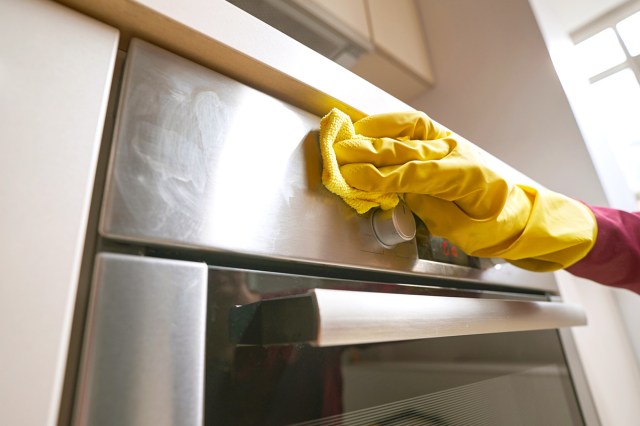
There’s something incredibly sleek about stainless steel appliances. Not only do they elevate the look of a kitchen, but they also have plenty of other benefits. Stainless steel is durable and nonporous, making it easy to clean. But in high-traffic areas like kitchens, they have a notable downside: The smooth and shiny surfaces we know and love tend to show fingerprints, smudges, and streaks more than others. But don’t let that turn you off stainless steel appliances just yet. There’s a quick and easy solution to keep smudges at bay, and you probably already have it in your pantry. The secret ingredient? Olive oil.

All featured products and deals are selected independently and objectively by the author. House Outlook may receive a share of sales via affiliate links in content.

There’s something incredibly sleek about stainless steel appliances. Not only do they elevate the look of a kitchen, but they also have plenty of other benefits. Stainless steel is durable and nonporous, making it easy to clean. But in high-traffic areas like kitchens, they have a notable downside: The smooth and shiny surfaces we know…

What You’ll Need

Cleaner or water and dish soap

Olive oil

Microfiber cloths

Say Goodbye to Smudges

We’re sure you’re wondering how olive oil can possibly remove fingerprints and smudges from stainless steel. You might think its thick consistency would worsen smudging, but it turns out, olive oil acts as a protective layer that keeps moisture away. Not to mention, it leaves stainless steel looking spotless and shiny. 

Related: Why You Should Put a Ball of Aluminum Foil in the Dishwasher

To remove streaks on stainless steel with olive oil, you first need to wipe down the surface with a cleaner. You can use a mixture of water and dish soap, a kitchen cleaner, an all-purpose cleaner, or something specifically made for stainless steel. After the surface is clean, apply a few drops of olive oil to a microfiber cloth. Spread a thin, even layer of oil on the appliance, buffing it out until fingerprints, smudges, and streaks are nowhere to be seen. 

Advertisement

Laundry Tip: Wash microfiber cloths separately from other items, as they are lint magnets. Use a mild, fragrance-free detergent, avoiding fabric softener, which can damage the fibers. Wash in cool or warm water on a gentle cycle. While air-drying is recommended to preserve the cloths’ absorbency, you can dry them on a low-heat or no-heat setting. Olive oil-soiled microfiber cloths should be air-dried or tumble-dried with no heat to prevent potential fires.

What Not To Do

Good news for your bank account: Using a large amount of olive oil won’t improve the results. The key to this hack is applying only a light coat to the stainless steel.

You can use this hack on major stainless steel appliances, such as refrigerators, ovens, and dishwashers, but don’t forget the little things. You can also use olive oil to remove smudges on small kitchen appliances and other stainless steel surfaces, including hardware, faucets, cookware, and more.

Advertisement
Pauline Lacsamana
Writer
Pauline Lacsamana is a freelance writer and editor who specializes in commerce, home, design, and lifestyle. She has bylines in The Spruce, Business Insider, U.S. News & World Report, Hunker, MyDomaine, Parade, and more.
This article is for general informational purposes only.
Affiliate Disclaimer 
|
Financial Disclaimer
Featured Image Credit:  yacobchuk/ iStock | Updated  Feb 19, 2025 |
Advertisement
Cleaning 3m read
0

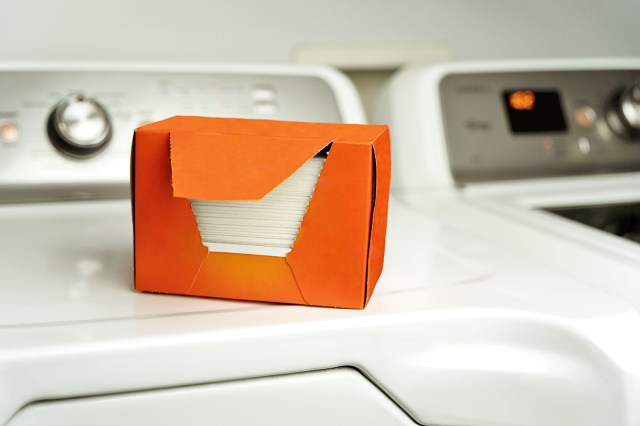
Surprising Cleaning Hacks That Start With a Box of Dryer Sheets

The drawbacks of dryer sheets have been well documented in recent years. Their waxy coating can accumulate on clothing and inside the dryer, shortening the lifespan of both. If you recently made the switch to wool dryer balls, you might have a box of unused dryer sheets collecting dust somewhere. Before you chuck them in the trash, consider these alternative uses for dryer sheets that go beyond the laundry room.

All featured products and deals are selected independently and objectively by the author. House Outlook may receive a share of sales via affiliate links in content.

The drawbacks of dryer sheets have been well documented in recent years. Their waxy coating can accumulate on clothing and inside the dryer, shortening the lifespan of both. If you recently made the switch to wool dryer balls, you might have a box of unused dryer sheets collecting dust somewhere. Before you chuck them in…

Freshen Up Your Spaces

Dryer sheets come in all kinds of refreshing scents that make your clothes smell amazing. Luckily, you can harness those same scents to freshen up other areas of your home, from shoes in your entryway to trash cans in your kitchen, according to TikTok creator @genuinecleaning.

Related: 5 Unexpected Ways To Clean With Denture Tablets

Have a stinky pair of ballet flats or work boots? Stuff a few dryer sheets in your shoes and let them sit overnight to get rid of unpleasant odors. For a whiff of fragrance — not rotting food — stash some dryer sheets at the bottom of your kitchen trash can, underneath the trash bag. You can also toss a dryer sheet or two under couch cushions for a subtle boost of freshness. Lastly, you can put dryer sheets in your dresser to keep your drawers and clothes smelling fragrant.

Advertisement

Remove Deodorant Stains

We’ve all dealt with those dreaded deodorant stains when putting on clothes. The white marks are especially irritating when you’re on your way out and don’t have time to change. While you could whip up a DIY cleaning solution using hydrogen peroxide, vinegar, or baking soda, you can also turn to a dryer sheet in a pinch. Simply rub the dryer sheet over the stain, and the mildly abrasive texture will lift it away.

Clean Burnt Pans

Last, but not least, you can use dryer sheets to easily clean cookware with baked-on food. Cover the stain with dryer sheets, leaving them folded up for maximum effect, and squirt some dish soap on them. Boil water in a kettle or on the stovetop and pour it over the dryer sheets to saturate them completely. Let the dish soak this way for about an hour. When the timer goes off, give the pan a good rinse, using a scrub brush to remove any stubborn residue. The baked-on food should melt away effortlessly, leaving your pan as good as new.

Advertisement
Pauline Lacsamana
Writer
Pauline Lacsamana is a freelance writer and editor who specializes in commerce, home, design, and lifestyle. She has bylines in The Spruce, Business Insider, U.S. News & World Report, Hunker, MyDomaine, Parade, and more.
This article is for general informational purposes only.
Affiliate Disclaimer 
|
Financial Disclaimer
Featured Image Credit:  Nathan Antonino/ Shutterstock | Updated  Dec 10, 2024 |
Advertisement
Organizing 3m read
0

An Inexpensive Storage Hack for Christmas Ornaments

Putting up Christmas decorations is always more enjoyable than taking them all down and trying to fit them back in their designated boxes. This year, when it’s time to retrieve your holiday decorations from storage, take a few minutes to assess the packing situation. (Somehow this feels like less of a chore if you’re in a festive mood.)

All featured products and deals are selected independently and objectively by the author. House Outlook may receive a share of sales via affiliate links in content.

Putting up Christmas decorations is always more enjoyable than taking them all down and trying to fit them back in their designated boxes. This year, when it’s time to retrieve your holiday decorations from storage, take a few minutes to assess the packing situation. (Somehow this feels like less of a chore if you’re in…

After the New Year’s confetti has settled, will your precious ornaments be safe and sound in shatterproof packaging? If the answer is no, it may be time to upgrade your storage solutions. This is especially important if you have sentimental ornaments you can’t risk getting damaged in the off-season.

Related: Gift Wrap Storage Hacks You’ll Wish You Knew About Sooner

While scrolling through social media, we came across a genius idea from Jessica Buwick (aka @lolamarie7) for storing and organizing ornaments. The best part is the packing supplies are fairly inexpensive, which is a relief after all that holiday spending.

Advertisement

How To Safely Store Christmas Ornaments

This year, forget leftover tissue paper, paper towels, and bubble wrap, and go with something a little more heavy-duty when repacking your holiday decorations. According to Buwick, the best way to prevent ornaments from getting damaged is to store them in cheap egg crate foam. You can buy this material on Amazon, typically in the form of a mattress topper or soundproofing panels, and cut it to fit your storage containers. Add one piece of foam on the bottom of your container with the smooth side facing down, then place your ornaments on top of the egg crate texture. The closer you place ornaments together, the better, as this will ensure they don’t budge in transit. Once the first layer is filled with ornaments, add another layer of foam and repeat the stacking process. 

Since this type of foam has so many pockets, it keeps everything securely in place — just like eggs nestled in their cartons — and the foam is soft yet dense enough to add more protection than your typical packaging materials.

Advertisement
Jessie Quinn
Writer
Jessie Quinn is a Los Angeles-based lifestyle journalist with words published in PEOPLE, StyleCaster, Apartment Therapy, The Spruce, Byrdie, and more. She has a Bachelor's Degree in fashion journalism from Academy of Art University and her work spans across many categories, including style, beauty, home, health, crafts, and more.
This article is for general informational purposes only.
Affiliate Disclaimer 
|
Financial Disclaimer
Featured Image Credit:  knape/ iStock | Updated  Dec 10, 2024 |